
Hangxiety 101: The Real Science (And Why It Feels So Bad)

While not everyone experiences anxiety after drinking, many people report feeling more emotionally vulnerable or on edge during a hangover. Not just fatigued or nursing a headache—feeling real anxiety, dread, racing thoughts, or a sense that something bad is about to happen. 

Is Naltrexone Overkill If I Just Want to Cut Back?

If you’re considering naltrexone for cutting back on drinking, you’re not overreacting. Naltrexone was designed for people who want to drink less, not just people who need to stop. And the science increasingly supports using it before things get severe.

How Naltrexone Can Help Curb Nighttime Drinking Habits

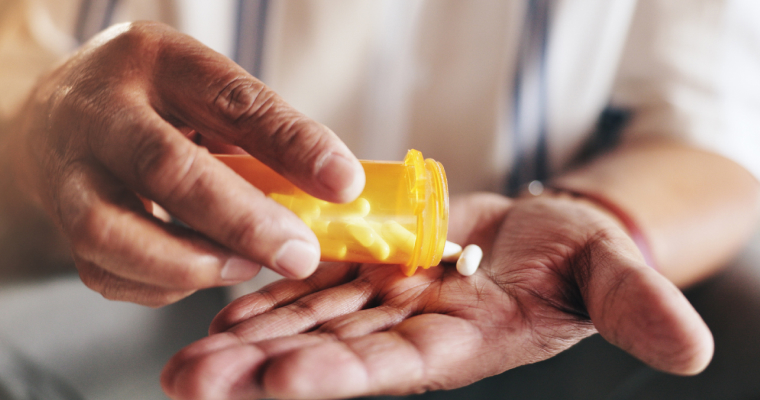
Naltrexone — an FDA-approved medication — works by blocking part of alcohol’s rewarding effect, which may help reduce cravings, heavy drinking, and cue-driven habits over time. Studies show it can be especially helpful for people trying to cut back rather than quit entirely, particularly when combined with behavioral support programs like tracking, coaching, and habit-change tools like Sunnyside.

How Long Should You Take Naltrexone? What the Research Actually Says

Taking naltrexone isn’t a reset button — you already know that. It’s more like a window, creating enough space for drinking patterns to soften, cravings to subside, and you to explore new and healthier routines. The medication can change the noise levels you experience around alcohol, but what you implement during that period of quiet has a huge impact on what lasts.

How Naltrexone Impacts Sleep (And How It Doesn’t)

Maybe you started naltrexone just expecting changes in cravings. You didn’t expect the dreams. Then, suddenly, you’re texting friends about bizarre dream-world storylines or wondering why sleep feels different even though you’re drinking less. Isn’t sleep supposed to feel better? Well, don’t worry too much. If this is happening to you, it’s likely temporary — and it’s something Sunnyside Med can help you work through.