30 Years of Naltrexone Research: What the Evidence Actually Shows

Naltrexone isn’t a new or experimental drug. Researchers began studying its potential for alcohol use in the 1980s, after animal studies found that blocking opioid receptors could reduce drinking. But a surprising number of people don’t know just how well-researched it is.
Does Semaglutide Reduce Alcohol Cravings? What the Science Shows

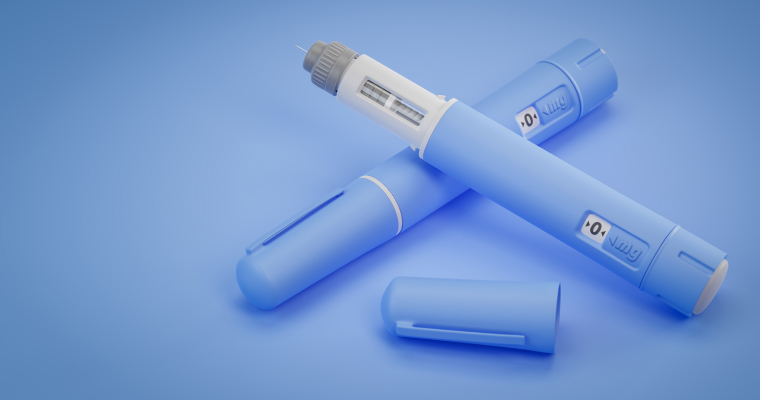
Early research suggests semaglutide may reduce alcohol cravings and some measures of drinking in people with alcohol use disorder. Several randomized trials have now reported benefits, but the studies are still relatively small and haven’t shown improvement on every drinking outcome.

Is Alcoholism Permanent? What the Science Says

Alcohol use disorder (AUD) is often described as a chronic condition. That can sound pretty final, especially if you’re already worried about your drinking. But a chronic condition isn’t necessarily one that stays the same forever. AUD can improve substantially, and many people who once met the criteria for alcohol dependence no longer do later in life. Recovery can include abstinence, lower-risk drinking, or remission from AUD symptoms.

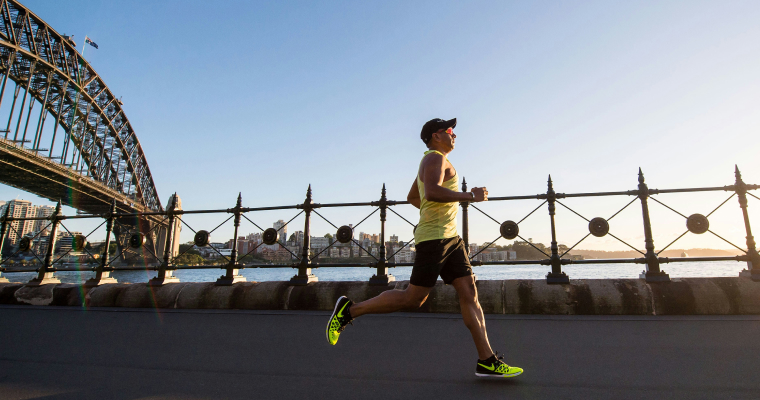
Does Naltrexone Affect Exercise Performance?

You’ve found something that might help you drink less. Then you read that naltrexone blocks endorphins and start wondering what that means for your workouts. You like running. You like going to the gym. Is naltrexone going to make either of those things harder or less enjoyable?