What Is Alcohol’s Effect On Testosterone?
Yes, alcohol can lower testosterone. That part isn’t really up for debate. But the nuances of its effects—and how to turn things around if you’re feeling unwell—are worth exploring.

Yes, alcohol can lower testosterone. That part isn’t really up for debate. But the nuances of its effects—and how to turn things around if you’re feeling unwell—are worth exploring.
You’ve probably heard some version of this phenomenon by now: people take Ozempic (or another GLP-1) and suddenly lose interest in alcohol. It gets framed as a kind of side-effect miracle—weight loss, fewer cravings, maybe even less desire to drink. There’s truth in that. But there are also important nuances to consider.
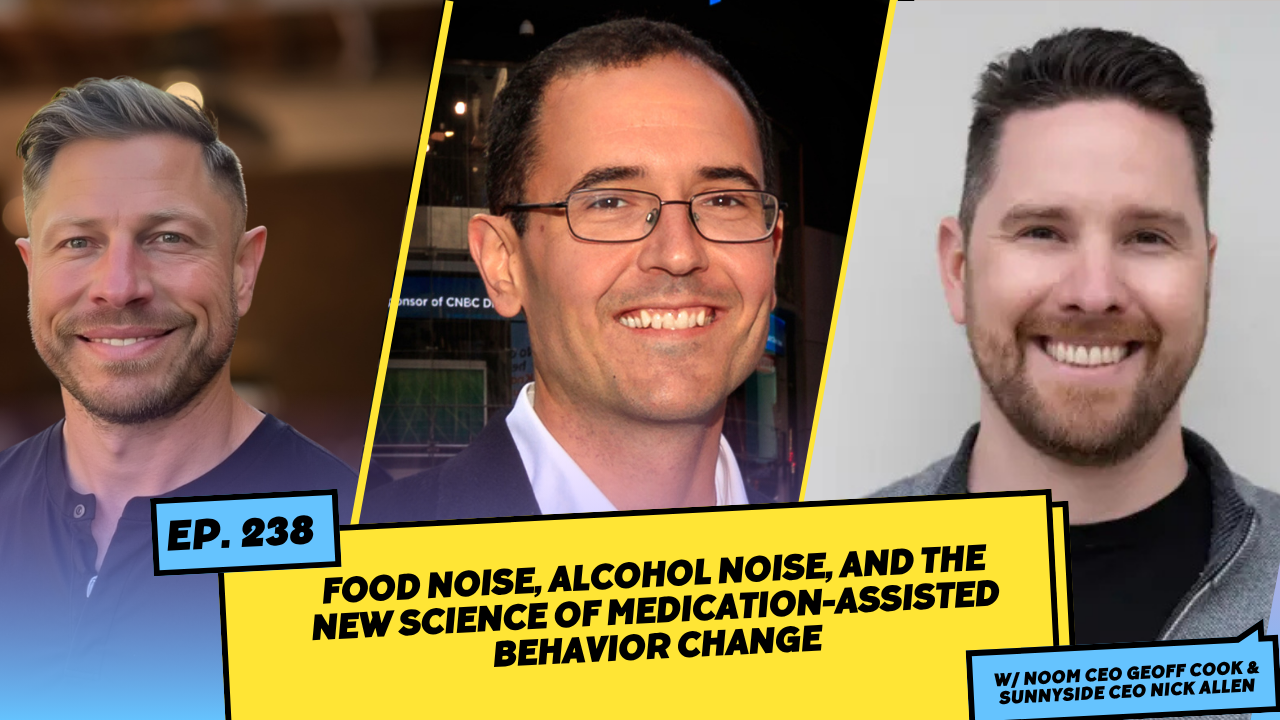
A growing body of research—and real-world results from platforms like Noom and Sunnyside—prioritizes changing the conditions that make certain behaviors feel automatic in the first place. Sometimes that includes medication, whether it’s a GLP-1 (like Ozempic) or naltrexone.
Most people trying to drink less already know what alcohol does. You don’t need another explanation about sleep or next-day energy. You’ve lived it. That’s usually not the sticking point. The harder part is what happens at a very specific time of day—often the same one. You finish work, or sit down for the evening, or hit that window where your brain won’t settle. And then the thought shows up.
It’s a strange thing, really, how quickly your mind can shift when it comes to your relationship with drinking. One moment you’re fairly clear about it—like, no, I’m trying to cut back, that’s the direction. And then later, sometimes not even much later, there’s this other version of you that starts negotiating.
You wake up after a couple of drinks, and it’s not a hangover. Not really. You’re fine. Functional. But something feels off in a way that’s hard to pin down. Your face looks a little puffier than usual. Your stomach’s not thrilled. Mentally, it takes longer to get moving than it should. In terms of an explanation, most people default to dehydration or sleep. Fair. Alcohol impacts both of those things. But those explanations don’t quite cover the whole picture.