
How Long Does Naltrexone Stay in Your System?
How long naltrexone stays in your system depends partly on which form of naltrexone you're taking. Oral naltrexone,...

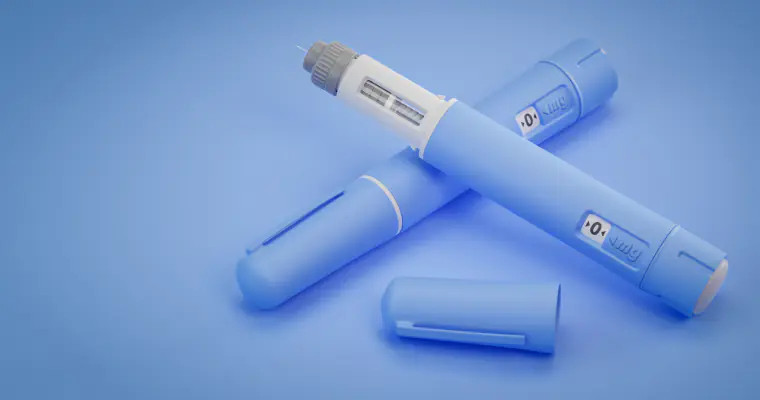
Early research suggests semaglutide may reduce alcohol cravings and some measures of drinking in people with alcohol use disorder. Several randomized trials have now reported benefits, but the studies are still relatively small and haven’t shown improvement on every drinking outcome. Semaglutide is not FDA-approved to treat alcohol use disorder, and we don’t yet know whether it has the same effects in people without AUD.
You probably heard about it the same way a lot of people did. Someone started semaglutide for weight loss, then mentioned they’d stopped wanting to drink.
That’s what happened to retiree J. Paul Grayson. After starting Ozempic, he described the change to NPR: “I ordered a beer, took a sip, and I couldn’t finish it.”
At the time, stories like Grayson’s were mostly anecdotal. Now researchers have started testing the effect in clinical trials, and there’s evidence that semaglutide may reduce alcohol cravings and some measures of drinking.
Semaglutide is a GLP-1 receptor agonist. It mimics a hormone called glucagon-like peptide-1, or GLP-1, which is involved in blood sugar, appetite, digestion, and signaling between the gut and brain.
You probably know semaglutide by one of its brand names: Ozempic or Wegovy. Depending on the formulation, it’s FDA-approved for uses including type 2 diabetes and chronic weight management. Wegovy also has FDA-approved indications related to cardiovascular risk and MASH.
What semaglutide isn’t approved for is reducing alcohol cravings or treating alcohol use disorder. Any use specifically for drinking is currently off-label.
Reports about drinking started showing up as semaglutide and other GLP-1 medications became more widely used. People taking them for weight loss or diabetes described less interest in alcohol, fewer cravings, or simply stopping after a drink or two.
Researchers started looking for the same pattern in larger groups. A 2023 study published in Scientific Reports analyzed about 68,250 Reddit posts related to GLP-1 medications. Among 1,580 alcohol-related posts, 71% described reduced cravings, less desire to drink, or other negative effects associated with alcohol.
The same paper also surveyed 153 adults with obesity who drank alcohol. People taking semaglutide or tirzepatide reported drinking less than they had before starting the medication and less than a comparison group not taking either drug.
Neither finding proves that semaglutide reduces alcohol cravings. But by this point, there was enough of a pattern to justify testing the idea in controlled trials.
Semaglutide’s alcohol research is promising. But it’s still a new area of study, and semaglutide isn’t FDA-approved to treat alcohol use disorder.
Naltrexone is. It’s been approved for alcohol dependence since 1994, with decades of research showing that it can reduce heavy drinking and relapse. If your goal is drinking less, naltrexone has a much longer track record for that specific purpose.
It’s also the medication Sunnyside Med is built around. Sunnyside Med is a 100% online alcohol health program that combines naltrexone, when prescribed by a clinician, with coaching, tracking tools, behavioral support, and community.
According to Sunnyside Med’s own member data, 78% of active members achieved a meaningful reduction in drinking over 12 weeks. Individual results vary. The program is $99 per month, HSA/FSA eligible, and available in all 50 states. You can learn more if you’re considering that option.
Semaglutide is a different story. Its alcohol research is much newer, though we now do have randomized trials to look at.
The largest trial so far was published in The Lancet in 2026. It included 108 adults with moderate-to-severe alcohol use disorder and obesity who were seeking treatment. Half received semaglutide, and half received a placebo for 26 weeks, and both groups also received cognitive behavioral therapy.
Heavy drinking days fell in both groups, but the reduction was larger with semaglutide. The semaglutide group saw a 41.1-percentage-point reduction from baseline, compared with 26.4 percentage points in the placebo group. The difference between groups was statistically significant.
Semaglutide also produced better results on several secondary measures, including drinks per day and alcohol craving.
There are some important limits. Everyone in the trial had both AUD and obesity, and everyone received behavioral therapy. We don’t know whether the results would look the same in people without obesity, people without AUD, or people taking semaglutide without behavioral treatment.
The first randomized trial came a year earlier. Hendershot and colleagues followed 48 adults with AUD for nine weeks. Unlike the participants in the 2026 study, they weren’t seeking treatment for their drinking.
Semaglutide reduced the amount of alcohol participants consumed during a laboratory drinking session. Over the nine-week study, it also reduced weekly alcohol cravings, drinks per drinking day, and heavy drinking over time compared with placebo.
Not every drinking measure changed. Semaglutide didn’t significantly reduce the number of drinking days or average drinks per calendar day. And with only 48 participants, the trial was designed as an early test of the idea rather than a definitive answer.
Observational studies have found similar patterns in much larger groups. In a 2024 Nature Communications study, semaglutide use was associated with a lower risk of new or recurrent alcohol use disorder diagnoses among people with obesity or type 2 diabetes.
That’s interesting, but observational research can’t show that semaglutide caused the difference. People who take semaglutide may differ from people taking other medications in ways that affect their drinking too.
For now, the randomized trials tell us more. They provide evidence that semaglutide can reduce craving and some measures of alcohol consumption in people with AUD. They don’t tell us whether it works for people without AUD, or whether it’s more effective than medications already approved for alcohol treatment.
Randomized trials are a meaningful step forward, but there are still plenty of open questions. We don’t know how well semaglutide works across different populations, how long any effect on drinking lasts, or how it compares directly with medications like naltrexone.
More trials are underway, including a Phase 3 study in U.S. veterans.
For now, the evidence supports semaglutide as a promising area of alcohol research. It isn’t yet an established treatment for alcohol use disorder.
Researchers don’t yet know exactly why semaglutide may affect drinking. Most of the work on the mechanism still comes from animal studies.
GLP-1 receptors are found in the brain as well as elsewhere in the body, including areas involved in reward and motivation. Preclinical research suggests that activating these receptors can change how the brain responds to alcohol and reduce alcohol-seeking behavior.
In rodent studies, semaglutide reduced heavy, dependence-driven drinking. Other GLP-1 research has also found effects on reward-related brain pathways. A 2025 review in Endocrinology concluded that these pathways may help explain the effect on alcohol, while noting that the central mechanisms aren’t fully understood.
One possibility is that semaglutide softens alcohol’s rewarding effects, or reduces the motivation to seek it out. And the effect doesn’t appear to be explained by nausea alone: animal studies have found reductions in drinking at doses that didn’t produce nausea.
Human trials can tell us that craving or drinking changed. They can’t yet tell us exactly why.
So far, semaglutide has produced encouraging results in people with alcohol use disorder. But that doesn’t make it an established alcohol treatment.
The distinction matters if you’re considering semaglutide specifically because you want to drink less. Most of the human research has involved people with AUD, and some of the strongest evidence comes from people who also have obesity. We don’t yet know whether the same results apply to people without AUD.
Semaglutide also isn’t FDA-approved for alcohol use disorder. A clinician may prescribe a medication off-label when appropriate, but insurance coverage for semaglutide generally depends on whether you qualify for an approved indication.
If you already take semaglutide for another reason and notice that you’re drinking less, the research increasingly suggests that the change may be real. But starting semaglutide solely to reduce alcohol cravings is a different question, and the evidence isn’t there yet.
We don’t know yet whether reductions in alcohol craving or drinking last after semaglutide is discontinued.
The clinical trials so far haven’t established what happens to alcohol outcomes after people stop taking the medication. That means we can’t say that cravings will return, but we also can’t say that the effect will last.
Some of the effect may depend on continued GLP-1 receptor activation. For now, that’s a hypothesis rather than a demonstrated pattern.
This is also one reason behavioral changes still matter. Medication can change craving or drinking while someone takes it, while habits around when, why, and how much someone drinks are a separate part of the picture.
Semaglutide and naltrexone may both affect drinking, but they work through different systems.
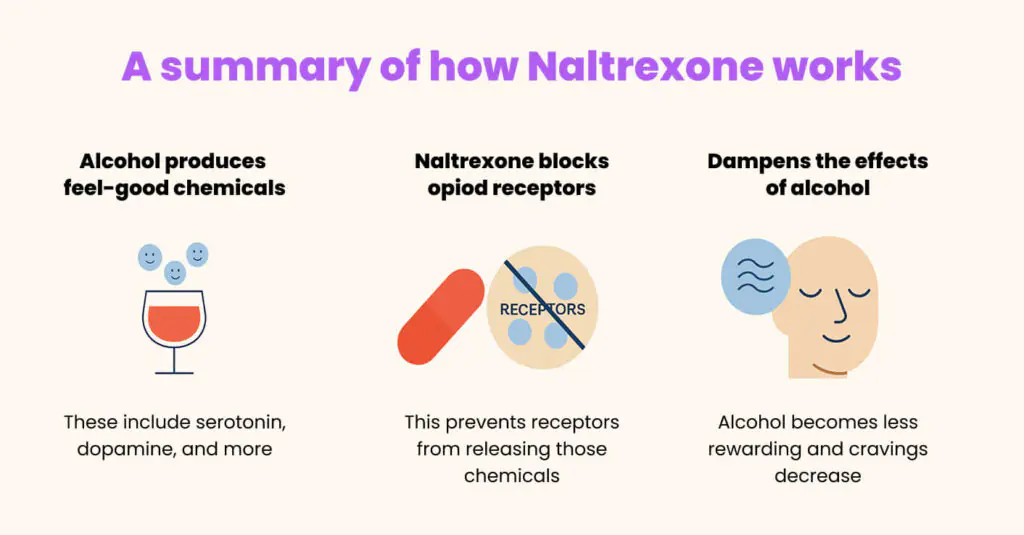
Naltrexone is an opioid receptor antagonist. By blocking opioid receptors involved in alcohol reward, it can make drinking less rewarding and reduce the urge to keep going. It’s been studied specifically for alcohol for decades and FDA-approved for alcohol dependence since 1994. You can read more about naltrexone and the brain’s reward system.
Semaglutide works through GLP-1 receptors instead. Animal research suggests that GLP-1 signaling affects brain circuits involved in reward and motivation, but researchers are still working out exactly how that translates to alcohol use in humans.
The biggest difference right now is the evidence. Semaglutide has several promising randomized trials behind it, but its use for alcohol is still investigational. Naltrexone has a much longer track record and an established role in alcohol treatment.
Semaglutide may eventually become another medication used specifically for alcohol. Right now, naltrexone is the better-established option.
Naltrexone can support reduced drinking or abstinence, depending on your goals. If you want to dig further into the research, you can read about how naltrexone reduces alcohol’s reward response or other medications used to reduce alcohol cravings.
Sunnyside Med offers naltrexone when a clinician determines it’s appropriate, alongside coaching, tracking tools, behavioral support, and community. One member described the change this way: “For me, the medication reduced the desire to drink. I know I can have a drink, but I just don’t really want one.”
If you’re interested, you can learn more about Sunnyside Med and take the 2-minute quiz to see if you’re eligible.
Naltrexone is a prescription medication. This content is educational and should not be taken as medical advice. A licensed clinician reviews every Sunnyside Med application.
Early clinical evidence suggests that it can in some people with alcohol use disorder. Randomized trials have found reductions in craving and some measures of drinking, although the results haven't been positive on every outcome. Semaglutide isn't yet an established treatment for AUD.
No. Semaglutide isn't FDA-approved to treat alcohol cravings or alcohol use disorder. Using it specifically for drinking would be off-label. Naltrexone, by comparison, has been FDA-approved for alcohol dependence since 1994.
Researchers are still figuring that out. GLP-1 receptors are found in brain regions involved in reward and motivation, and animal research suggests that activating them can reduce alcohol-seeking and change the brain's response to alcohol. The exact mechanism hasn't been established in humans.
Several randomized trials now suggest that semaglutide can affect drinking. The 2025 JAMA Psychiatry trial found reductions in craving, laboratory alcohol consumption, drinks per drinking day, and some measures of heavy drinking. A larger 2026 trial found a significantly greater reduction in heavy drinking days with semaglutide than placebo. The trials are still relatively small, and not every outcome has improved. More research is needed to establish how well semaglutide works for AUD and who is most likely to benefit.
We don't know. The randomized human research so far has focused on people with diagnosed AUD. There isn't good evidence yet showing that semaglutide treats alcohol cravings in people without AUD.
Naltrexone blocks opioid receptors involved in alcohol reward and has decades of research supporting its use for alcohol. Semaglutide works through the GLP-1 system, and its effects on alcohol are still being studied. Right now, naltrexone has the much more established evidence base for treating alcohol use disorder. You can also read more about semaglutide and alcohol.
Coverage depends on the plan and the reason semaglutide is prescribed. Because semaglutide isn't FDA-approved for alcohol use disorder, you shouldn't assume that insurance will cover it when alcohol cravings are the reason for treatment. Check your specific plan before making decisions based on coverage.
Ian has a family deeply hurt by alcohol, and is on his own personal journey to drink less and live his healthiest life. He’s took naltrexone daily for two years and saw incredible results. As Sunnyside Med’s first customer, he’s deeply entrenched in alcohol health and naltrexone.
How long naltrexone stays in your system depends partly on which form of naltrexone you're taking. Oral naltrexone,...

Research on naltrexone use during pregnancy is limited, particularly among people taking it for alcohol use disorder. What...
Although naltrexone eventually became an established treatment for alcohol use disorder (AUD), getting it into routine clinical practice...

Naltrexone and Antabuse differ in how they work, what taking them is like, their safety considerations, and the...