
Last Updated on September 21, 2026
Naltrexone eligibility is determined through an individual clinical evaluation, not a single pass-or-fail test. You don’t need to be at a crisis point, and complete abstinence doesn’t have to be your goal. A clinician considers your drinking patterns, goals, medications, opioid use, liver health, and medical history to decide whether naltrexone is appropriate for you.
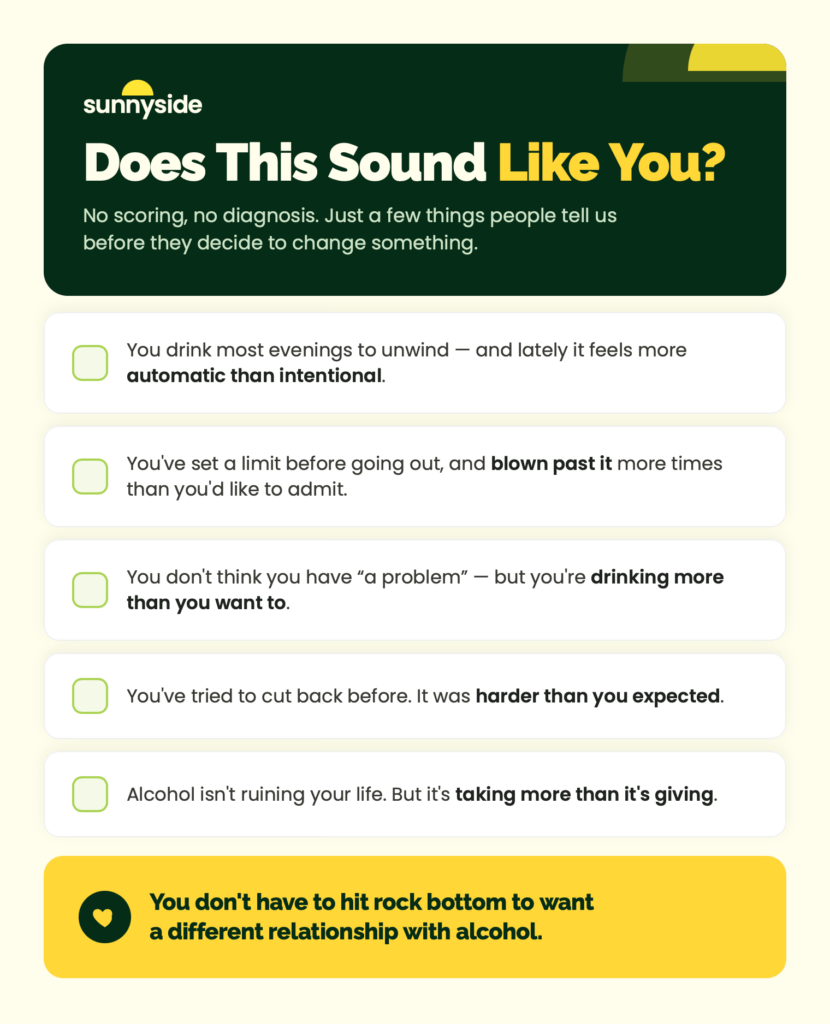
Maybe you’ve wondered whether your relationship with alcohol is “bad enough” to ask for help, or whether a doctor would take you seriously if you did. But exploring your options does not require hitting rock bottom. Wanting to drink less is reason enough to start the conversation.
Naltrexone is quite underprescribed, and it’s historically been difficult to find a provider who is familiar with and willing to prescribe it. But options are expanding, and naltrexone can support people who want to reduce their drinking as well as those who want to quit.
Who May Be Eligible for Naltrexone?
Alcohol use disorder exists on a spectrum, from mild to severe. Naltrexone isn’t reserved for people with the most severe symptoms, and you don’t necessarily need to have a formal AUD diagnosis before asking a clinician whether it could help you.
“I wasn’t a huge problem drinker, but I was someone who couldn’t have ‘just one drink’,” said one Sunnyside Med member. “I’m proud to say that I am now.”
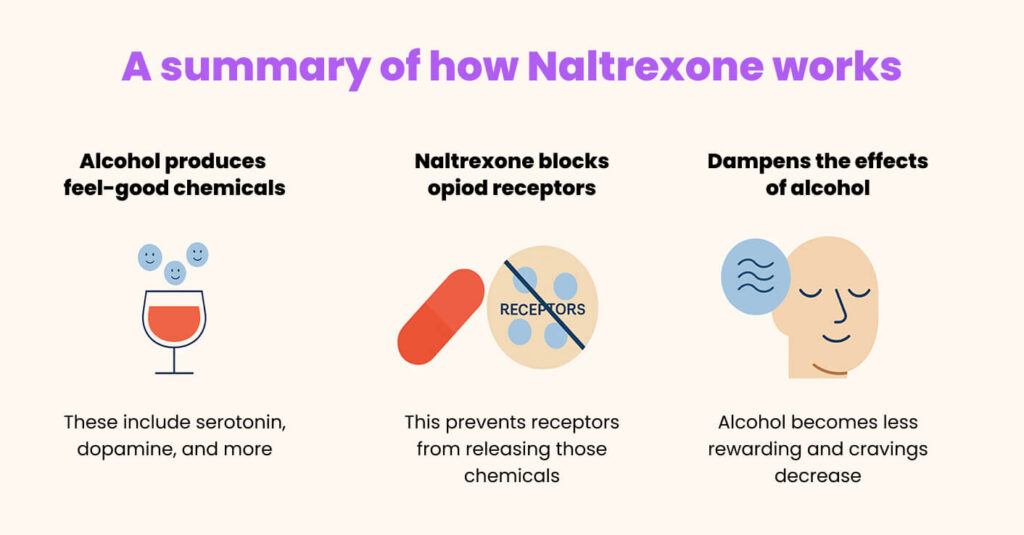
Research suggests that naltrexone can help people who want to cut back rather than quit entirely. In a 2022 randomized clinical trial, for example, participants taking naltrexone experienced reductions in heavy-drinking days and alcohol cravings. And there’s plenty of other naltrexone research that demonstrates its ability to help people change their relationships with alcohol.
Ultimately, eligibility depends on your individual circumstances. Your clinician will consider your drinking habits, medical history, and goals before deciding whether naltrexone is appropriate.
Sunnyside Med Makes It Easier to Find Out If Naltrexone Is Right for You
Sunnyside Med is a 100% online alcohol health program designed for people who want to cut back or quit drinking, whether they’re concerned about their current habits or simply want to make a change.
“This isn’t only for people at or approaching rock bottom,” says Sunnyside co-founder and CEO Nick Allen. “We’re building Sunnyside Med to provide proactive and preventive access to medication before alcohol becomes a massive negative part of your story.”
The process starts with a short online assessment covering your drinking patterns, health history, medications, and goals. Then, a licensed clinician reviews your information and determines whether naltrexone is medically appropriate for you.
There’s no waiting room, no insurance requirement, and no need to commit to complete abstinence just to explore your options.
What Clinicians Consider Before Prescribing Naltrexone
Naltrexone eligibility involves more than how much you drink. Before prescribing it, a clinician needs to understand your health history and identify any factors that could make the medication unsafe or unsuitable for you. They will likely consider the following.
Drinking patterns and goals
Your clinician will ask how much and how often you drink, whether you’ve tried to cut back before, and what you’d like to change. Naltrexone may be appropriate whether your goal is to reduce heavy drinking or stop drinking altogether.
Your drinking history also helps your clinician determine whether you might be at risk of alcohol withdrawal, which may require separate medical management.
Current or recent opioid use
Opioid use is one of the most important factors in determining naltrexone eligibility.
Naltrexone blocks opioid receptors, and taking it while physically dependent on opioids can trigger sudden, potentially severe withdrawal. You generally need to complete an appropriate opioid-free interval before starting treatment. The required interval depends on which opioid you’ve been taking and your individual circumstances.
Be sure to tell your clinician about any current or recent opioid use, including prescription pain medications, codeine, tramadol, and illicit opioids. You should also mention any upcoming procedures that may require opioid-based pain relief.
Liver health
Because the liver processes naltrexone, your clinician will review your liver health and may recommend blood tests before prescribing it.
A history of liver problems doesn’t automatically make you ineligible. A 2022 retrospective study found that naltrexone was generally well tolerated in patients with and without liver disease, including patients with cirrhosis. However, the evidence is more limited for people with advanced liver disease, and certain conditions, such as acute hepatitis or liver failure, may make naltrexone inappropriate.
Your clinician will weigh your individual risks and benefits before making a recommendation.
Medications and medical history
Your clinician will review your current medications, including prescriptions, over-the-counter products, and supplements, along with any relevant medical conditions.
It’s particularly important to disclose medications containing opioids, since naltrexone can interfere with their effects. A complete medication history helps your clinician identify potential safety concerns before you begin treatment.
Who Should Not Take Naltrexone?
Some medical circumstances can make naltrexone unsafe, while others require additional evaluation before starting treatment.
As mentioned above, you should not start naltrexone if you:
- Are currently using opioids or are physically dependent on them.
- Are experiencing acute opioid withdrawal or haven’t completed the necessary opioid-free interval.
- Currently need opioid-based pain medication.
- Have previously experienced a serious allergic reaction to naltrexone.
Acute hepatitis or liver failure may also make naltrexone inappropriate. Other conditions, including certain forms of liver disease, pregnancy, and breastfeeding, require an individualized discussion of the potential risks and benefits.
The important thing is to give your clinician a complete picture of your health and medication history. They can help you understand whether naltrexone is safe for you or whether another treatment would be more appropriate.
Do You Have to Stop Drinking Before Starting Naltrexone?
No. There is no universal alcohol-free waiting period required before starting oral naltrexone for AUD. You can discuss treatment with a clinician even if you’re still drinking and haven’t committed to quitting entirely.
However, naltrexone is not a treatment for acute alcohol withdrawal. If you’ve been drinking heavily and are at risk of significant withdrawal symptoms, you may need medical supervision or withdrawal management before beginning treatment.
It’s also important to distinguish between alcohol and opioids here. While oral naltrexone doesn’t require a specific period of alcohol abstinence, an appropriate opioid-free interval is essential to avoid precipitated withdrawal.
How to Find Out If You Qualify for Naltrexone
The most reliable way to determine your naltrexone eligibility is to speak with a licensed clinician who can evaluate your drinking patterns, medical history, medications, and goals.
With Sunnyside Med, you can complete that process entirely online. Start with a short assessment, which a licensed clinician reviews to determine whether naltrexone is appropriate for you. If you’re prescribed medication, it’s shipped discreetly to your door.
But medication is only one part of the program. Sunnyside Med also provides behavioral support to help you build healthier drinking habits, including:
- Drink tracking, goal setting, and progress analytics.
- Daily medication reminders and adherence tools.
- Human coaching available seven days a week.
- Weekly group Zoom calls and a private member community.
Among active Sunnyside Med members, 78% achieved a meaningful reduction in drinking. This figure comes from observational member data rather than a controlled clinical trial, and individual results vary.
Sunnyside Med costs $99 per month, billed quarterly, plus a one-time $50 intake fee. The program is HSA/FSA eligible, available in all 50 states, and doesn’t require insurance.
Ready to find out whether naltrexone could help you reach your drinking goals? Take Sunnyside Med’s quick online assessment to get started.
Frequently Asked Questions (FAQ): Naltrexone Eligibility
Do you need an AUD diagnosis to get naltrexone?
You don’t need to have a formal AUD diagnosis before asking about naltrexone. A clinician will evaluate your drinking patterns, goals, and medical history to determine whether prescribing it is appropriate.
Can you take naltrexone if you want to drink less rather than quit?
Yes. Naltrexone can support a goal of reducing heavy drinking as well as quitting entirely. You and your clinician can discuss your goals and determine whether medication could help you achieve them.
What can prevent you from taking naltrexone?
Current opioid use or physical dependence, acute opioid withdrawal, and a current need for opioid-based pain medication are major contraindications. Acute hepatitis, liver failure, and a history of serious allergic reactions to naltrexone may also make it inappropriate. Other health conditions require individualized evaluation.
Can you take naltrexone if you have liver problems?
Possibly. Mild or compensated liver disease doesn’t automatically make you ineligible for naltrexone, but your clinician will need to consider your specific condition. They may recommend liver-function testing and additional monitoring before or during treatment.
This content is for educational purposes and is not medical advice. Naltrexone is a prescription medication, and a licensed clinician determines whether it is appropriate for each individual.