
Last Updated on June 15, 2026
Naltrexone has been FDA-approved for alcohol use disorder since 1994. The research behind it is solid, it’s non-addictive, and for most people it’s well-tolerated. And yet fewer than 2% of people who could benefit from it ever receive a prescription. That gap has a lot to do with how alcohol problems get talked about.
Naltrexone is well-studied and effective for plenty of people who want to change their relationship with drinking, including plenty of Sunnyside Med members. So why isn’t it prescribed more often?
Despite decades of research supporting medications like naltrexone, only about 2% of people diagnosed with alcohol use disorder receive an FDA-approved medication for treatment. Yet 28 million Americans drink at levels that impact their health. That’s a huge treatment gap.
In May, someone asked a question on Reddit about naltrexone that speaks to this disparity.
“Why isn’t naltrexone prescribed more often?” they wrote. “Every time I see it mentioned, people react like they’ve discovered some secret medication.”
Sunnyside co-founder Ian Andersen weighed in on the thread. Here’s more about his reply—and what you should know if you’re interested in naltrexone yourself.
What Naltrexone Actually Does
Naltrexone works by blocking opioid receptors involved in alcohol’s reward response. When you drink, your brain releases endorphins that reinforce the pull toward another drink. Naltrexone dulls that signal.
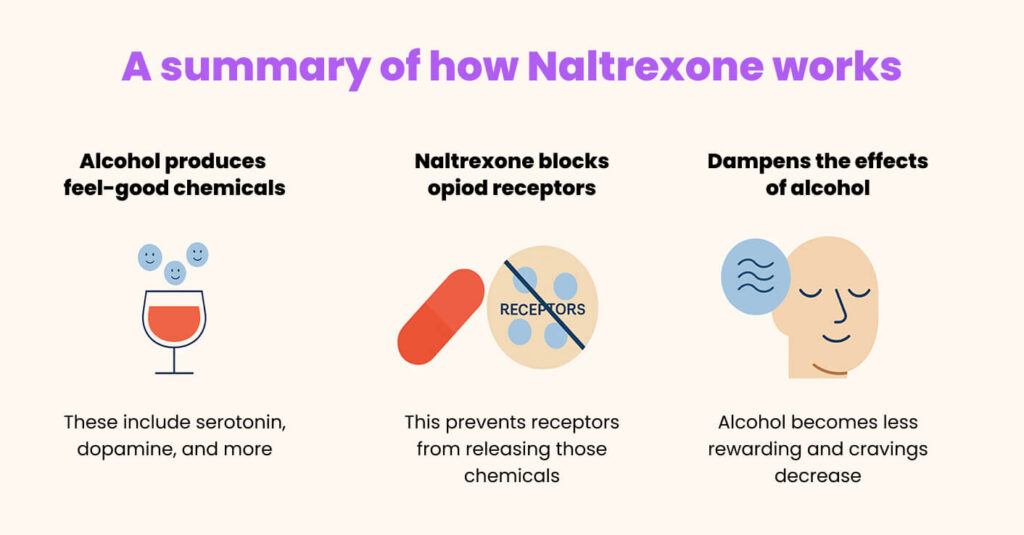
The drink is still the drink. It retains alcohol’s usual effects. But the “more, more, more” feeling tends to get much quieter, and stopping when you actually want to becomes less of a struggle.
Ian describes it this way: “The alcohol noise goes way down. And it becomes way easier to just have one or two drinks. Those are both really healthy things for people who are trying to drink less.”
The effects are often gradual rather than dramatic. Some people expect a clear, immediate shift and don’t realize that the first signs of progress may be smaller:
- Thinking less about alcohol in general
- Feeling less urgency around the next drink
- Finding it easier to stop when they planned to stop
Because those changes can be subtle at first, naltrexone is sometimes misunderstood by both the people taking it and the providers considering whether to recommend it.
The Naltrexone Treatment Gap
In 2018, naltrexone was prescribed to 1.64% of people with alcohol use disorder in the United States. By 2023, that number had barely moved, still under 3%. One study that year found that people with AUD were the least likely group to receive naltrexone compared to people with other substance use disorders.
The result is a strange disconnect: Naltrexone is one of the most studied medications available for alcohol use disorder, yet many people who could benefit from it never hear about it.
A 2022 physician survey identified the most common reason for not prescribing naltrexone: simple unfamiliarity with the medication. Not concern about side effects or clinical contraindications, just not knowing enough about it to bring it up. And this is decades after FDA approval!
Two Reasons This Keeps Happening
Ian has talked to hundreds of people starting naltrexone. Over and over, he’s seen the same two patterns come up.
The Provider Roadblock
The first is the doctor conversation that goes sideways. Many people tell him they brought up concerns about their drinking only to find that medication options never entered the conversation. For people pursuing abstinence, programs like AA can be incredibly valuable. But many people exploring naltrexone are looking for a moderation-focused approach, and they never learn that medication is an option. Naltrexone fits that goal better than almost anything else available. Yet it often goes unmentioned.
The Shame Roadblock
The second pattern is that many people never bring up their drinking at all. They’re worried about it going on their record, and they feel shame about bringing it up. They don’t think their situation is serious enough to mention. The threshold they’re holding themselves to and the level of “severity” that would justify asking for help are built from a cultural image of what alcohol problems are supposed to look like, not from anything clinical.
So the patient says nothing. And the physician doesn’t even get a chance to bring up naltrexone.
Drinking’s False Binary
Alcohol often gets talked about in a binary way. You’re either fine—a normal drinker with nothing to worry about—or you have a serious problem that requires abstinence and a significant restructuring of your life. There’s very little cultural language for the space in between: people who are drinking more than they want to, who feel a pull they’d rather not feel, who haven’t hit any obvious “bottom” but know something is off.
Ian calls this the “gray area.” And it’s where many people with concerning drinking patterns actually live: somewhere in the middle, amid a culture that’s implying (however unintentionally), that they haven’t suffered enough to deserve help yet.
That framing does real harm. It delays people from addressing patterns that are often easier to change early. It makes asking for help feel like an overreaction. And it keeps naltrexone unknown to exactly the people who may benefit from it most.
As Ian puts it: “AUD exists on a wide spectrum, and the sooner you take charge, the less likely alcohol will pull you down further.”
The Future of Naltrexone
Telehealth has changed what access looks like. You no longer have to walk into a clinic, explain your drinking history to a doctor who might also treat your family, and frame your situation as serious enough to warrant intervention. You can have a private clinical conversation from your phone, with someone who specializes in exactly this topic.
The research is consistent on one point: medication works best when paired with behavioral support. The landmark COMBINE study, for instance, found that naltrexone was most effective when combined with structured support.
Research has also shown that adherence matters—people benefit most when they consistently take the medication as prescribed. This is one reason Sunnyside Med pairs naltrexone with guidance, coaching, accountability, and habit-building tools.
Medication can make change easier. What ultimately drives long-term results is what happens next: the habits, routines, and decisions that take shape once alcohol’s long-held pull starts to loosen.
How to Access Naltrexone with Sunnyside Med
If alcohol is taking up more space in your life than you’d like, naltrexone is worth understanding. You don’t need to wait until things feel severe to explore your options.
Sunnyside Med offers compounded naltrexone through a telehealth model that includes clinician oversight, habit coaching, and app-based tracking. If you want to understand whether it’s right for your situation, you can start at joinsunnysidemed.com.
Ian Andersen is co-founder of Sunnyside. Naltrexone is a prescription medication. This article does not constitute medical advice.
Sunnyside Is the Perfect Companion for Your Naltrexone Journey
Sunnyside is the #1 mindful drinking app. Since 2020, we’ve been honing our harm-reduction approach and have helped over 400,000 people cut out 22 million drinks from their baseline habits. 96.7% of our members report success in drinking less, and in a third-party study, our approach was demonstrated to reduce weekly drinking by 33% after 12 weeks.
Think of Sunnyside as the front door for anyone who wants to change their relationship with alcohol. If you want to drink less, we can help you get there. If you want to eventually quit, but want to take a gradual approach, we can make that happen.
When you sign up for Sunnyside, you’ll take a quick 3-minute quiz, then hop into the app. It’s as simple and quick as that.
We’ll give you weekly plans to gradually reach your drinking goals, and we’ll provide nudges, coaching, exercises, and advice to help you get there.
We have daily tracking and journaling tools, including the option to chat with a real human coach at any time. And our state-of-the-art analytics help you track your progress over time.
Sunnyside is a full-featured mindful drinking app. Naltrexone will actively help you reduce cravings around alcohol, and Sunnyside will help you understand your triggers and patterns, giving you a healthy system for habit change.
If you choose to stop taking naltrexone, the Sunnyside app remains a tool you can keep using to maintain your healthy habits.
Everyone who signs up for Sunnyside gets a free 15-day trial. After that, the subscription is $8.25/month.
Whether you’re currently taking naltrexone or just doing some research on alcohol moderation, we’d love to have you sign up for our 15-day free trial today.