The Mindful Drinking Blog

Anxiety and Alcohol: Why Drinking Feels Like It Helps, Then Makes Things Worse

The relationship between anxiety and alcohol is more complicated than most people realize. Alcohol can absolutely calm anxiety in the short term. But over time, it often pushes anxiety in the opposite direction. That doesn’t mean you’ve “lost control.” It means your nervous system has adapted to a substance that changes the brain’s stress and reward systems.
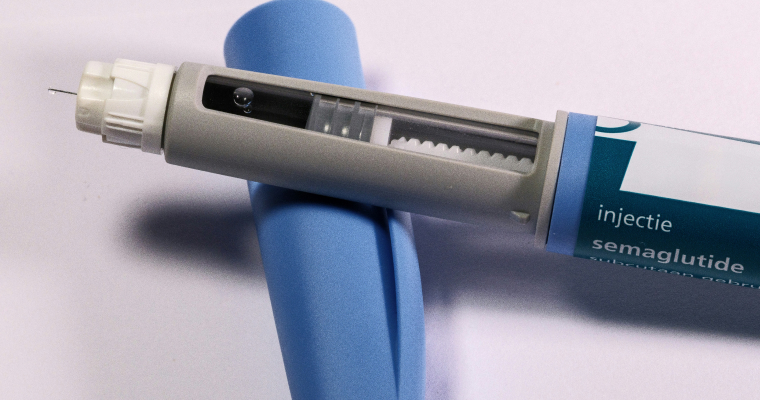
Semaglutide and Alcohol: What the Research Actually Shows

The connection between semaglutide and alcohol shows signs of being real. But the conversation happening online can flatten important distinctions. A medication showing promise in people with obesity or diagnosed alcohol use disorder is not automatically the same thing as a medication designed specifically for people trying to drink less. Here’s what you need to know about the distinction.

Naltrexone vs. Acamprosate: Which Medication Fits Your Drinking Goals?

If you’ve been researching ways to change your relationship with alcohol, you’ve probably come across two names pretty quickly: naltrexone and acamprosate. At first glance, they can seem interchangeable. Both are meant to help people drink differently. But they’re actually designed for very different situations.

Why Ozempic Can Make You Want to Drink Less

Yes—Ozempic can reduce alcohol cravings. For some people, it’s subtle. For others, it’s hard to miss. What’s interesting isn’t just that drinking goes down. It’s how it happens. People don’t usually describe trying harder or setting stricter rules. It’s more like the interest just…drops off. A drink sounds good in theory, then halfway through, it doesn’t really land the same way.

The Relationship Between Alcohol and Blood Sugar

Alcohol absolutely affects blood sugar. That part is real. What’s less obvious is how inconsistent it can feel in your body. Here’s how alcohol is actually impacting your blood sugar, in the long term and the short term.