
Last Updated on September 20, 2026
To drink less alcohol in 2026, start by tracking your drinks, setting realistic goals, and identifying your drinking triggers. Alcohol-free days, nonalcoholic alternatives, and coaching can also help. If you need additional support, programs like Sunnyside offer personalized plans, drink tracking, coaching, and medication like naltrexone to help you cut back or quit.
Maybe you’ve noticed that your nightly glass of wine has turned into two or three. Maybe you’re tired of spending your weekends recovering from Friday and Saturday nights. Or maybe you’re simply curious about what life would look like with a little less alcohol in it.
Whatever your reason, drinking less doesn’t have to mean giving up alcohol entirely. You can set your own goals, whether that means having a few alcohol-free nights each week, drinking less when you’re out with friends, or working toward quitting.
The challenge, of course, is figuring out how to make those changes stick. Drinking habits can be surprisingly persistent, especially when alcohol has become part of your daily routine.
Fortunately, there are plenty of ways to approach cutting back, from tracking your drinks and changing your routines to getting additional support through coaching or medication. Here are ten practical strategies to help you drink less in 2026.
Why Are More People Drinking Less in 2026?
Drinking less has become increasingly common. According to Gallup’s August 2025 survey, just 54% of U.S. adults reported drinking alcohol, the lowest percentage recorded in Gallup’s nearly 90 years of tracking the question. Among those who drink, average weekly consumption has also declined.
What’s behind the shift? A growing interest in mindful drinking, more alcohol-free options, and greater awareness of alcohol’s health effects have all contributed to the conversation.
The Rise of Mindful Drinking
The sober curious movement has encouraged people to question their drinking habits without necessarily committing to lifelong sobriety. More recently, the idea of a “damp lifestyle” has gained traction among people who want to keep alcohol in their lives but drink less of it.
There’s more flexibility around what that can look like, too. You might skip alcohol during the week, order a nonalcoholic beer when you’re out with friends, or simply stop drinking after one glass of wine.
Growing Awareness of Alcohol’s Health Effects
Health concerns are another reason people are reconsidering their drinking habits. In the same 2025 Gallup survey, 53% of U.S. adults said drinking one or two alcoholic beverages a day is bad for their health, up from 28% in 2015.
The World Health Organization has also emphasized that no level of alcohol consumption is completely risk-free, particularly when it comes to cancer. In 2025, the U.S. Surgeon General recommended adding cancer warning labels to alcoholic beverages.
For people who enjoy drinking but want to reduce their health risks, cutting back can be a meaningful place to start.
10 Practical Methods to Drink Less Alcohol in 2026
Cutting back doesn’t have to involve a dramatic change to your daily routine. You can start by paying closer attention to when and how much you drink, then make adjustments based on what you learn. Here are ten strategies to try.
1. Track How Much You’re Drinking
Before you start cutting back, spend a week or two keeping track of how much you drink. A glass of wine while cooking, another with dinner, and a few drinks over the weekend can add up faster than you might realize.
Record what you drink, when you drink it, and how you’re feeling at the time. Pay attention to serving sizes, too. A generous pour of wine or a strong cocktail may contain more than one standard drink.
After a week or two, look over your notes. Are there certain days when you tend to drink more? Do you drink differently when you’re alone versus when you’re out with friends? These patterns can help you decide where to make changes.
Research suggests that digital tools can help people cut back. In a 2024 randomized controlled trial involving 5,602 UK adults who wanted to reduce their drinking, researchers compared the Drink Less app with standard online alcohol advice. One analysis found that app users consumed an average of two fewer UK alcohol units per week than the comparison group after six months, although the trial’s primary analysis did not find a statistically significant difference.
You can keep track in a notebook or use an app like Sunnyside, which lets you log your drinks, set goals, and monitor your progress over time.
2. Set a Realistic Drinking Goal
Once you have a better sense of your current habits, decide how much you’d like to cut back. A specific goal gives you something to work toward and makes it easier to see whether your approach is working.
Say you typically have 12 drinks per week. You might start by aiming for eight, or by limiting yourself to two drinks when you go out with friends instead of your usual four.
You could also set a goal around when you drink. Maybe you’d like to have three alcohol-free days each week or stop drinking at home on weeknights.
Start with a goal that feels manageable, then revisit it as you make progress. Any reduction in alcohol consumption can help lower your exposure to alcohol-related health risks, although no particular drinking limit is completely risk-free.
3. Identify Your Drinking Triggers
Think about the last few times you had a drink. What were you doing beforehand? Were you out with friends, cooking dinner, or settling in after a long day?
Drinking often becomes associated with particular activities or feelings. You might pour a glass of wine as soon as you finish work, reach for a beer when you’re bored on the weekends, or find yourself drinking more than you intended at certain social gatherings.
Look for these patterns in your drink tracking notes. Once you know which situations tend to prompt you to drink, you can think about how you’d like to handle them.
For example, if you usually have a beer while making dinner, try keeping a nonalcoholic alternative in the fridge. If you tend to drink when you’re stressed after work, you might experiment with going for a walk or doing something else you enjoy before deciding whether to have a drink.
You may find that you still want a drink afterward, or that the urge has passed. Either way, you’ll have a better understanding of what’s driving the habit.
4. Change Your Drinking Routine
If you tend to drink at the same time every day, try changing what you do during that part of your routine. You might be surprised by how much of the urge to drink comes from habit.
For example, if you usually pour a glass of wine as soon as you get home, try waiting until dinner. If you typically have a few beers while watching TV, consider keeping some nonalcoholic alternatives in the fridge.
You can also make small changes to your environment. Keeping less alcohol at home, using smaller glasses, or finding another way to unwind after work may help you drink less without having to think about it quite so much.
Experiment with different approaches and pay attention to what works for you. You may find that changing one part of your evening routine makes it easier to stick to your drinking goals.

5. Try Alcohol-Free and Lower-Alcohol Alternatives
If you enjoy the taste of beer, wine, or cocktails, you don’t necessarily have to give up those flavors to drink less alcohol.
There are more nonalcoholic options available than ever, including alcohol-free beers, wines, and spirits. You could try swapping your usual drink for a nonalcoholic version, choosing a lower-ABV beer, or making a cocktail with less liquor.
Another option is to alternate between alcoholic and nonalcoholic drinks when you’re out. Having a sparkling water or mocktail between rounds can help you slow down and reduce how much alcohol you consume over the course of an evening.
You don’t have to replace every drink, either. If you usually have two glasses of wine with dinner, try making the second one alcohol-free.
6. Plan for Social Situations
It’s one thing to stick to your drinking goals at home. It’s another when you’re out with friends, everyone’s ordering another round, and you’ve already had a couple of drinks.
Before heading out, decide how much you’d like to drink. You might set a limit of two drinks for the evening, plan to alternate alcoholic beverages with water, or decide to skip alcohol altogether.
It can also help to think about what you’ll order ahead of time, particularly if you’re going somewhere with a limited selection of nonalcoholic options.
If you’re worried about friends encouraging you to drink more, you can keep your response simple. Saying you’re taking it easy tonight or that you have an early morning is usually enough.
And if certain activities almost always lead to drinking more than you intended, consider suggesting something different next time. Making plans earlier in the day, for instance, can give you a chance to spend time together without alcohol being the main event.
7. Take a Short Break From Alcohol
You don’t have to wait until Dry January to take a break from drinking. You could choose a week, a month, or another period that works for you.
A temporary break gives you a chance to see what your routine looks like without alcohol. You might discover that you enjoy having more time on weekend mornings, or that you miss the ritual of a Friday night drink more than the alcohol itself.
When your break is over, think about which changes you’d like to keep. Maybe you’ll continue having alcohol-free weekdays or save drinking for special occasions.
One important caveat: If you drink heavily or regularly and may be physically dependent on alcohol, talk to a healthcare professional before stopping abruptly. Alcohol withdrawal can be dangerous and may require medical supervision.

8. Find Accountability and Support
Having someone to check in with can make cutting back feel more manageable. That might be a friend who’s also trying to drink less, a therapist, a peer support group, or a coach who can help you work through challenges as they come up.
You can also find support through a digital program. Sunnyside offers text-based coaching, personalized drinking plans, and a private community where members can share their experiences and encourage one another.
The type of support you choose is up to you. Some people appreciate regular check-ins, while others prefer having someone available when they need advice or encouragement.
A 2024 randomized trial examined three digital support models for people with mild-to-moderate alcohol use disorder: self-monitoring, peer support, and clinically integrated care. Participants in all three groups reported fewer heavy drinking days over 12 months, suggesting that digital tools can be useful across different levels of support.
If you have a week when you drink more than you intended, talking through what happened can help you figure out what to try differently next time.
9. Consider Medication for Additional Support
If you’ve tried changing your drinking habits but still find it difficult to cut back, medication may be worth exploring.
Naltrexone is an FDA-approved medication for alcohol dependence that blocks opioid receptors involved in alcohol’s rewarding effects. It can help reduce heavy drinking, although individual responses vary.
A 2023 systematic review and meta-analysis published in JAMA examined 118 clinical trials involving 20,976 participants. The researchers found that oral naltrexone was associated with a reduced likelihood of returning to heavy drinking compared with placebo.
Naltrexone can be used alongside behavioral strategies, such as drink tracking, coaching, and counseling. A healthcare professional can help determine whether it’s appropriate for you, particularly if you take opioid medications or have certain liver conditions.
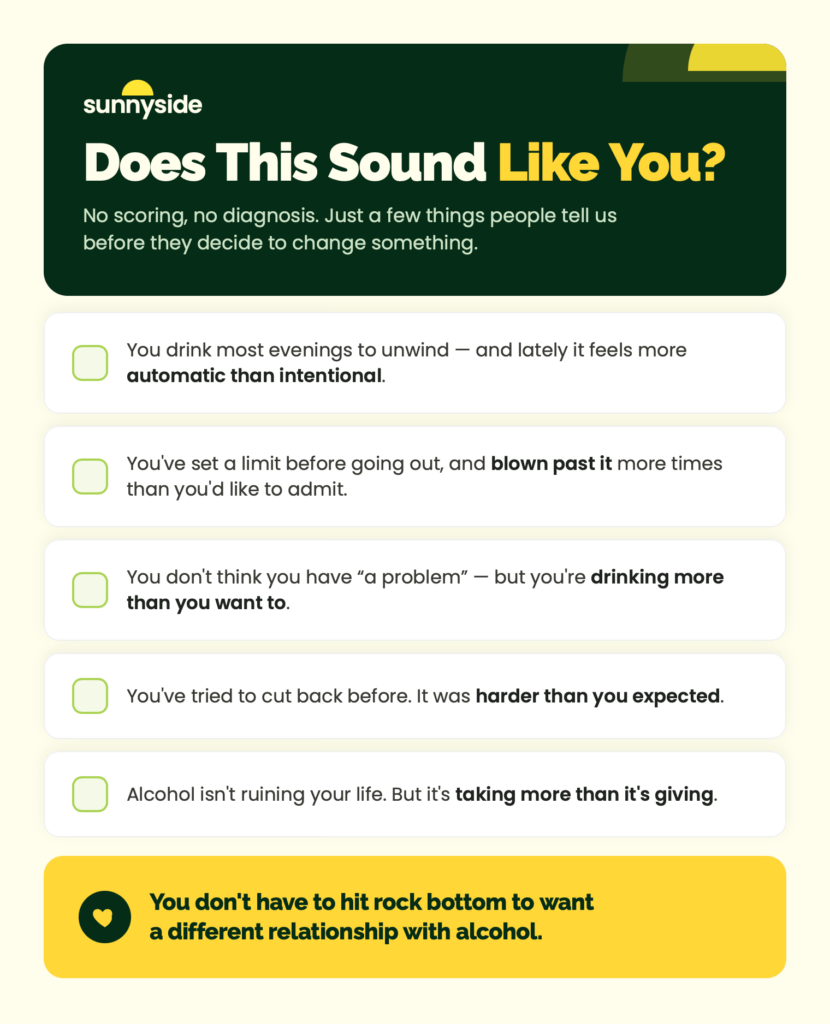
Sunnyside Med offers a 100% online alcohol health program for people who want to cut back or quit drinking. Eligible members can receive clinician-prescribed, compounded oral naltrexone, along with access to drink tracking, coaching, and behavioral support.
10. Review Your Progress and Adjust Your Plan
After a few weeks of cutting back, take some time to see how things are going. Are you drinking less than you were when you started? Have you noticed any changes in your sleep, mood, or energy levels?
Look over your drink tracking notes and consider which strategies have been most helpful. Maybe having alcohol-free weekdays has been surprisingly easy, but sticking to a two-drink limit when you’re out with friends is still a challenge.
You can adjust your goals as you go. If you’ve been consistently meeting your weekly target, you might decide to reduce it further. If you’re regularly drinking more than you intended, think about whether a different strategy or additional support could help.
Try to focus on your overall progress rather than individual days. One night of drinking more than you planned doesn’t have to derail the changes you’ve already made.
Why Is It So Hard to Drink Less Alcohol?
If you’ve tried to cut back before, you may have found that making a plan is much easier than sticking to it. You might start the week intending to have just a few drinks, only to find yourself slipping back into your usual routine by Friday.
There’s a reason drinking habits can be difficult to change. Alcohol affects the brain’s reward system, and repeated drinking can strengthen the associations between alcohol and particular activities, environments, or feelings.
For example, if you regularly have a drink to unwind after work, you may eventually start craving alcohol as soon as you finish your day. Familiar cues can prompt the urge to drink even when you’ve decided to cut back.
Alcohol also affects judgment and inhibition, which can make it harder to stick to a drinking limit once you’ve started. You might feel confident about stopping after two drinks when you’re making plans in the morning, but find that decision more difficult once you’ve had them.
This is why it helps to have a plan that goes beyond simply deciding to drink less. Tracking your consumption, changing familiar routines, and arranging support in advance can make it easier to follow through on your goals.
Get Support for Drinking Less With Sunnyside
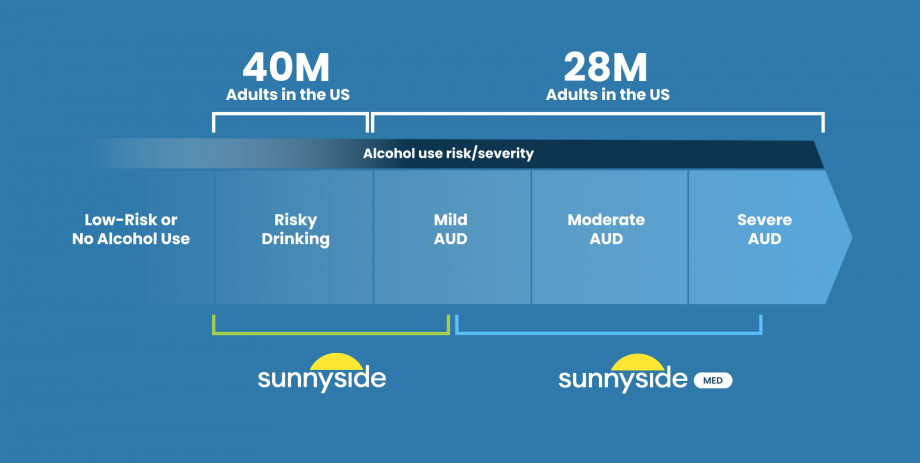
You don’t have to figure out how to drink less on your own. Sunnyside helps you build healthier drinking habits with personalized goals, daily drink tracking, text-based coaching, and a private community.
If you’re interested in medication, Sunnyside Med offers online clinical care and access to compounded oral naltrexone for eligible members. You can work toward cutting back or quitting, with behavioral support to help you along the way.
If you’re having trouble controlling your drinking, experiencing withdrawal symptoms, or finding that alcohol is affecting your health or relationships, consider speaking with a healthcare professional. People who may be physically dependent on alcohol should seek medical guidance before stopping abruptly.
Ready to make a change? Take Sunnyside’s free online assessment to explore your drinking habits and find a plan that works for you.
Frequently Asked Questions (FAQ): How to Drink Less Alcohol in 2026
How can I drink less alcohol without quitting completely?
Start by tracking your consumption and setting a realistic weekly drinking goal. You can also try having alcohol-free days, switching to lower-alcohol beverages, and planning for situations where you tend to drink more than intended.
What is the most effective way to reduce alcohol consumption?
The most appropriate approach depends on your drinking habits and individual needs. Tracking, goal-setting, and behavioral support can help you change your habits, while medications such as naltrexone may be beneficial for people who need additional support.
How long does it take to notice the benefits of drinking less?
Some people notice improvements in sleep, energy, or mood within the first few weeks of cutting back. Other benefits may take longer. Your experience will depend on how much you were drinking, how much you reduce your consumption, and your overall health.
Can I drink alcohol while taking naltrexone?
Naltrexone doesn’t cause the adverse reaction to alcohol associated with disulfiram. However, it can change alcohol’s rewarding effects, and you should follow your clinician’s guidance about drinking while taking it. Learn more in our guide to drinking on naltrexone.
What should I do if I keep trying to drink less but can’t?
Consider speaking with a healthcare professional about your drinking habits. They can help you explore treatment options, including counseling, medication, and other forms of support. You don’t have to wait until your drinking causes serious problems to ask for help.
Naltrexone is a prescription medication. This content is educational and should not be taken as medical advice. A licensed clinician reviews every Sunnyside Med application.