The Mindful Drinking Blog

Alcohol Intolerance: What’s Really Happening When Your Body ‘Rejects’ Alcohol

Alcohol intolerance usually refers to a metabolic condition where your body cannot efficiently break down alcohol, causing symptoms like facial flushing, nausea, rapid heartbeat, and headache within minutes of drinking. Unlike a hangover, which appears hours later, alcohol intolerance triggers reactions almost immediately and often after very small amounts.


Naltrexone Nausea: What To Expect And How to Manage It

You took the pill on a Tuesday. By Wednesday evening, your stomach felt off — not terrible, but bad enough to make you wonder if you’d made a mistake. You Googled your symptoms, and a clinical FAQ page told you that naltrexone nausea is “common.” However… it did not tell you why it’s common, or how long it will last, or whether it means something is wrong. So here you are. Welcome!

Anxiety and Alcohol: Why Drinking Feels Like It Helps, Then Makes Things Worse

The relationship between anxiety and alcohol is more complicated than most people realize. Alcohol can absolutely calm anxiety in the short term. But over time, it often pushes anxiety in the opposite direction. That doesn’t mean you’ve “lost control.” It means your nervous system has adapted to a substance that changes the brain’s stress and reward systems.

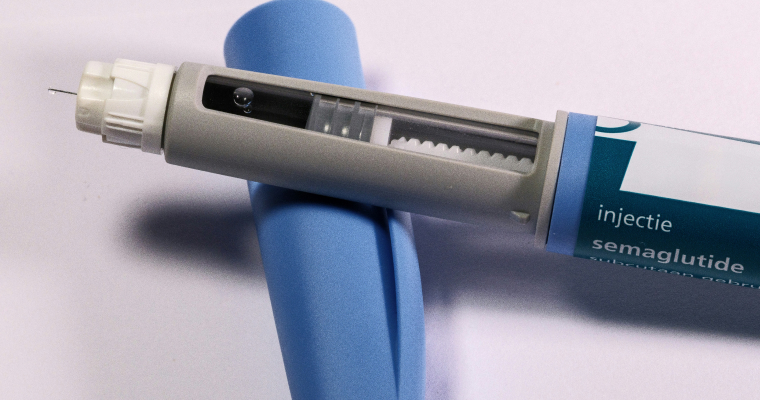
Semaglutide and Alcohol: What the Research Actually Shows

The connection between semaglutide and alcohol shows signs of being real. But the conversation happening online can flatten important distinctions. A medication showing promise in people with obesity or diagnosed alcohol use disorder is not automatically the same thing as a medication designed specifically for people trying to drink less. Here’s what you need to know about the distinction.

Naltrexone vs. Acamprosate: Which Medication Fits Your Drinking Goals?

If you’ve been researching ways to change your relationship with alcohol, you’ve probably come across two names pretty quickly: naltrexone and acamprosate. At first glance, they can seem interchangeable. Both are meant to help people drink differently. But they’re actually designed for very different situations.