Last Updated on May 10, 2026
You’ve probably heard some version of the story already. A friend starts Ozempic for weight loss and notices they don’t really want wine at night anymore. Someone in a Reddit thread says alcohol suddenly feels “forgettable.” A coworker mentions they still drink socially, but the urge just isn’t as…urgent.
The pattern has become common enough that researchers have started paying attention. And to be fair, the connection does appear to be a real one.
But the conversation around semaglutide and alcohol happening online can flatten important distinctions. A medication showing promise in people with obesity or diagnosed alcohol use disorder is not automatically the same thing as a medication designed specifically for people trying to drink less.
Those are overlapping groups sometimes. They are not identical.
The Semaglutide and Alcohol Connection Is Real
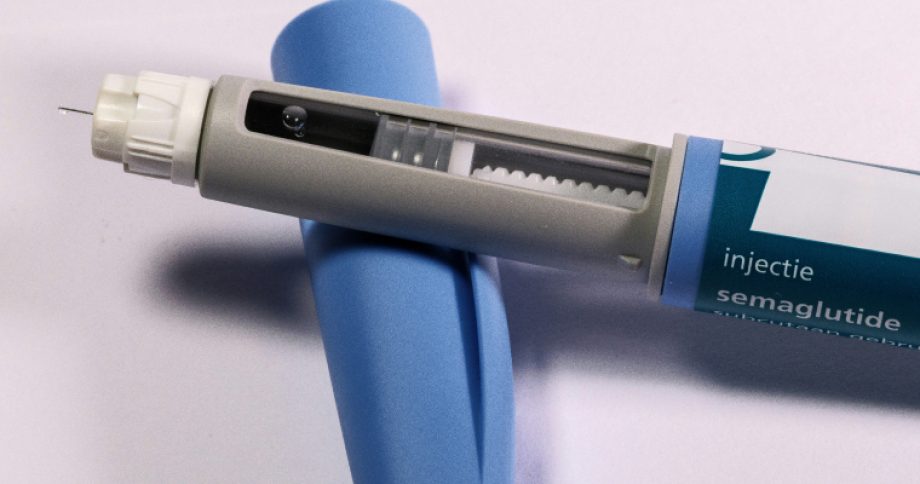
The first signs came from patient reports. People taking semaglutide medications like Ozempic or Wegovy frequently mentioned the same unexpected change: alcohol seemed less appealing.
Researchers eventually tested the idea directly. A small phase 2 randomized clinical trial published in JAMA Psychiatry in early 2025 found that weekly semaglutide injections reduced alcohol craving, drinks per drinking day, and heavy drinking episodes in adults with alcohol use disorder. The researchers also noted that the effect sizes looked potentially larger than what is often seen in studies of existing alcohol use disorder medications, even though participants were receiving relatively low semaglutide doses.
That’s a meaningful finding. It deserves attention. But it also needs context.
The trial included 48 adults who met diagnostic criteria for alcohol use disorder and had recent histories of heavier drinking. Participants reported more than seven drinks per week for women or more than 14 for men, along with repeated heavy-drinking episodes.
That’s different from the much larger population of people who feel uneasy about their drinking but wouldn’t identify with a serious clinical diagnosis.
Another study, published in Nature Communications in 2024, analyzed health-record data. Those researchers found lower rates of alcohol use disorder diagnoses among people taking GLP-1 medications. Depending on the comparison group, researchers reported risk reductions in the 50–56% range.
Again, promising. But it’s vital to note that the study population largely consisted of people being treated for obesity or type 2 diabetes. Furthermore, it was observational research using medical records, not a randomized trial designed specifically around gray area drinking. And causality was not proven.
That distinction matters because people often read these headlines as: “Ozempic helps anyone drink less.” The actual evidence, while genuinely fascinating, is narrower than that.
Scientists Still Don’t Fully Understand the Connection Between Semaglutides and Alcohol
Researchers have several theories about why semaglutide may reduce alcohol cravings.
GLP-1 receptors appear throughout parts of the brain involved in motivation, reward, and reinforcement. Scientists suspect these pathways may overlap with the circuitry involved in addictive behaviors.
That explanation is biologically plausible. There’s also growing animal and human research supporting it.
But the mechanics are still being worked out. Researchers are still mapping exactly how these medications alter reward signaling in humans.
There’s also a practical issue people sometimes miss in social-media discussions: semaglutide is not FDA-approved for alcohol use disorder.
Doctors can prescribe medications off-label when they believe it’s medically appropriate, but insurance coverage becomes more complicated when a medication is used outside its approved indication. Out-of-pocket costs for GLP-1 medications can easily reach hundreds or more than a thousand dollars per month, depending on insurance status and formulation.
And unlike medications developed specifically for alcohol reduction, semaglutide requires weekly injections and ongoing metabolic monitoring.
Naltrexone: Designed Specifically For Alcohol Reduction
Naltrexone entered this space very differently. It wasn’t discovered accidentally through weight-loss treatment. It was studied directly as a medication for alcohol dependence.
Dr. Joseph Volpicelli, who was part of some of the earliest clinical research on naltrexone for alcohol dependence, describes the mechanism this way: “Naltrexone works by blocking the receptors in the brain that register the feelings of reward and pleasure that many feel from alcohol consumption.”
In practical terms, alcohol still reaches the brain, but the reinforcement signal becomes weaker.
The drink may taste the same. The ritual may still be there. But many people notice the emotional “pull” attached to alcohol starts fading over time.
That distinction matters because people often assume medications for drinking reduction work by making someone violently sick if they drink.
That’s not how naltrexone works. Unlike medications like disulfiram, naltrexone does not create an aversive reaction to alcohol. Instead, it changes how rewarding alcohol feels.
This happens because naltrexone blocks opioid receptors involved in alcohol-related dopamine release and reinforcement.
Semaglutide may also dampen reward signaling, but through a broader metabolic and hormonal pathway that researchers are still trying to fully characterize.
The other difference is simply time. Naltrexone was approved by the FDA for alcohol dependence in 1994 and has decades of clinical data behind it.
That doesn’t automatically make it “better” than newer medications. But it does mean clinicians have a much clearer understanding of who it helps, how it works, what side effects are common, and where the safety boundaries are. Semaglutide and alcohol are much less understood.
Medications for Different Purposes
One of the biggest problems in online discussions about Ozempic and alcohol is that people collapse several very different populations into one category.
Most semaglutide research related to alcohol has focused on people with:
- obesity
- type 2 diabetes
- diagnosed alcohol use disorder
- or combinations of those conditions
Meanwhile, many people searching for help with drinking reduction fall into a different category entirely.
They’re functioning well, but they just know alcohol has started taking up more space in their life than they want. That’s the population programs like Sunnyside Med are primarily trying to reach.
As Sunnyside CEO Nick Allen says, “This isn’t only for people at or approaching rock bottom. We’re building Sunnyside Med to provide proactive and preventive access to medication.”
That framing resonates with a lot of gray area drinkers because many don’t identify with traditional addiction narratives. They just want the noise around drinking to quiet down!
What Does Taking Naltrexone Feel Like?
One misconception about naltrexone is that it creates an immediate overnight shift. And sure: Some people do experience effects fairly quickly.
But more experience a more subtle change. For instance, the urgent, “I-want-it-now” feeling around alcohol starts decreasing. The obsession fades a little. Drinking becomes easier to stop once it starts.
Sunnyside co-founder Ian Andersen, who has spoken publicly about taking naltrexone, describes it this way: “Drinking might feel different, and that’s the point. Less exciting. Less rewarding. Sometimes just less fun.”
Another Sunnyside Med member described the experience like this: “The voice that used to get loud around 5 p.m. just quieted down.”
This theme comes up repeatedly in naltrexone research and patient reports—the medication doesn’t usually make alcohol disgusting such that it exits the patient’s life entirely. Instead, the medication often changes the intensity of the reward loop surrounding it.
Side Effects and Safety
Naltrexone is generally well-tolerated, but (mostly short-term) side effects can happen.
Nausea is the most commonly reported issue, especially when someone first starts taking it or increases their dosage. Some people also experience headaches, fatigue, dizziness, or gastrointestinal discomfort.
However, there are also situations where naltrexone should not be used. For example (and it’s a big example), naltrexone cannot be taken alongside opioid medications because it blocks opioid receptors. If you are taking an opioid and start naltrexone, you could experience precipitated opioid withdrawal. The medication may also be inappropriate for people with acute hepatitis, significant liver impairment, or certain other medical conditions. Pregnant or breastfeeding individuals should discuss risks and alternatives carefully with a clinician.
This is also why reputable programs require clinician review before prescribing. As such, a licensed clinician reviews every Sunnyside Med application to ensure naltrexone is appropriate and safe in each circumstance.
Sunnyside Med’s Approach
Sunnyside Med combines compounded naltrexone with behavioral support tools, including tracking, coaching, weekly planning prompts, and oversight from a clinician.
According to internal Sunnyside Med outcomes data, 78% of engaged members achieved meaningful reductions in drinking, with participating members averaging roughly 45.6% fewer drinks per week.
That combination approach matters because medications alone don’t automatically rebuild habits, routines, or coping strategies. As Allen puts it: “A prescription without support is just a pill.”
Where Does This Leave the GLP-1 Conversation?
The semaglutide findings are genuinely interesting.
Researchers are taking them seriously, and GLP-1 medications may eventually become a larger part of addiction treatment conversations. But right now, the evidence base is still early, the mechanism is still being clarified, and the medication was primarily developed for a different set of health conditions.
Naltrexone, meanwhile, was studied specifically for alcohol reduction and has decades of data behind it.
That doesn’t mean one medication is universally “better.” It means they currently occupy different places in the treatment landscape.
For gray-area drinkers looking specifically to reduce alcohol’s grip on their reward system, naltrexone remains one of the most established medication options available.
As Andersen puts it: “You’re not here because you hate alcohol. You’re here because it’s been taking more than it’s been giving.” And naltrexone can help you balance the scales.
Take Sunnyside Med’s quiz to discover whether naltrexone could be right for you.
Sunnyside is the Perfect Companion for Your Naltrexone Journey
Sunnyside is the #1 mindful drinking app. Since 2020, we’ve been honing our harm-reduction approach, and have helped over 400,000 people cut out 22 million drinks from their baseline habits. 96.7% of our members report success drinking less, and in a third-party study, our approach was demonstrated to reduce weekly drinking by 33% after 12 weeks.
Think of Sunnyside as the front-door for anyone who wants to change their relationship with alcohol. If you want to drink less, we can help you get there. If you want to eventually quit, but want to take a gradual approach, we can make that happen.
When you sign up for Sunnyside, you’ll take a quick 3-minute personalization quiz, then hop into the app. It’s as simple and quick as that.
We’ll give you weekly plans to gradually reach your drinking goals, and we’ll provide nudges, coaching, exercises, and advice to help you get there.
We have daily tracking and journaling tools, including the option to chat with a real human coach at any time. And of course we have great analytics so you can track your progress over time.
Sunnyside is a full-featured mindful drinking app, and thus the perfect companion for your Naltrexone journey. Naltrexone will actively help you reduce cravings around alcohol, and Sunnyside will help you understand your triggers and patterns, giving you a healthy system for habit change.
If and when you see success drinking less, and you choose to stop taking Naltrexone, Sunnyside is a tool you can keep using to maintain your healthy habits.
Everyone who signs up for Sunnyside gets a free 15-day trial, then the subscription is $8.25/month, less than the cost of a fancy drink. And the best part is our members save an average of $50 per month, easily paying for the cost of the subscription.
Whether you’re currently taking naltrexone, or just doing some research on alcohol moderation, we’d love to have you sign up for our 15-day free trial today.