Can You Drink Alcohol While Taking Creatine? What the Research Says
Yes, you can drink alcohol while taking creatine. There's no evidence that alcohol cancels out creatine's benefits, although...

Alcohol absolutely affects blood sugar. That part is real. What’s less obvious is how inconsistent it can feel in your body.
Sometimes you wake up starving in the middle of the night. Other times it’s the next morning, when you’re suddenly fixated on carbs in a way that feels disproportionate to what you actually drank. And occasionally… nothing obvious happens at all, which makes the whole thing easy to dismiss.
Your liver is basically running a quiet overnight shift while you sleep. One of its main jobs is keeping your blood sugar steady when you’re not eating, releasing small amounts of glucose so things don’t dip too low.
Alcohol interrupts that, but not in a dramatic, switch-flipping way. It’s more like a priority shift.
Once ethanol shows up, your liver moves it to the top of the queue. Other processes—like releasing glucose—don’t stop entirely, but they slow down. Studies describe how this can increase the risk of hypoglycemia, especially when you haven’t eaten for a while.
This isn’t necessarily happening while you’re still awake. It often shows up hours later, when alcohol is still being processed, but you’re already asleep. Blood sugar drifts downward, and your body has to compensate.
That compensation—cortisol, adrenaline—doesn’t always wake you up fully. Sometimes you remain asleep, but that sleep gets nudged into a version that’s lighter and more fragmented. It might not be intuitive to immediately connect it to alcohol at all.
If your blood sugar dips overnight, your body will try to bring it back into range. That process is mostly hormonal—your system releases signals like adrenaline and cortisol to raise glucose levels again.
What happens next isn’t always precise, but it often shows up as increased hunger, especially for foods that provide quick energy. Carbohydrates fit that bill, which is part of why the morning after drinking can come with stronger-than-usual cravings.
That doesn’t mean every craving is a direct “correction” for low blood sugar. Sleep disruption, dehydration, and appetite hormones all play a role, too. But blood sugar swings are one piece of the picture.
Not everyone feels it the same way. For some people, it’s more physical—slight shakiness, lightheadedness, or a vaguely “off” feeling that’s hard to pin down. For others, it shows up more as low energy or a kind of flat fatigue later in the day.
It doesn’t always register as a blood sugar issue. It just feels like a slightly worse version of normal.
If we were only considering the short-term dips, this would be easier to write off. The longer-term side of how alcohol impacts blood sugar doesn’t announce itself the same way.
With more frequent or heavier drinking, the pattern can shift. Instead of occasional drops, you start to see more baseline instability—your body needing more insulin to handle the same amount of glucose, for example. That’s insulin resistance, and alcohol has been linked to it in multiple studies.
The liver shows up here again, too. Over time, higher alcohol intake is associated with fat accumulation in the liver, which is closely tied to impaired glucose metabolism.
So you end up with this slightly counterintuitive situation: in the short term, alcohol can push blood sugar down. Over time, it can make blood sugar harder to regulate in the opposite direction.
You don’t need to optimize everything, but a few shifts tend to make a noticeable difference.
And then there’s the simplest one, which is also the least talked about: just noticing what actually happens for you. With Sunnyside, you can track your actual habits around alcohol and make changes accordingly. That information—the kind that’s actually relevant to you specifically—tends to be more useful than any general guideline.
This isn’t about cutting alcohol entirely or getting everything “right.” It’s just a clearer look at cause and effect. Get started on your mindful drinking journey with a 15-day free trial of Sunnyside.
Sunnyside is a holistic program to help you build a healthier relationship with alcohol, using a proven, science-backed method. Whether you want to become a more mindful drinker, drink less, or eventually quit drinking, Sunnyside can help you reach your goals. We take a positive, friendly approach to habit change, so you never feel judged or pressured to quit.
When you join Sunnyside, you’ll start by completing a 3-minute private assessment so we can learn a bit about you. Once that’s done, you’ll get a 15-day free trial to test out everything, including our daily habit change tools, tracking and analytics, community and coaching, and education and resources. It’s a full package designed specifically to adapt to your goals and help you reach them gradually, so you can make a huge impact on your health and well-being.
In addition, Sunnyside Med now offers access to compounded naltrexone, a prescription medication that can reduce cravings and binge drinking, giving you the peace of mind to make long-term change.
Get your 15-day free trial of Sunnyside today, and start living your healthiest life.
Ian has a family deeply hurt by alcohol, and is on his own personal journey to drink less and live his healthiest life. He’s took naltrexone daily for two years and saw incredible results. As Sunnyside Med’s first customer, he’s deeply entrenched in alcohol health and naltrexone.
Yes, you can drink alcohol while taking creatine. There's no evidence that alcohol cancels out creatine's benefits, although...
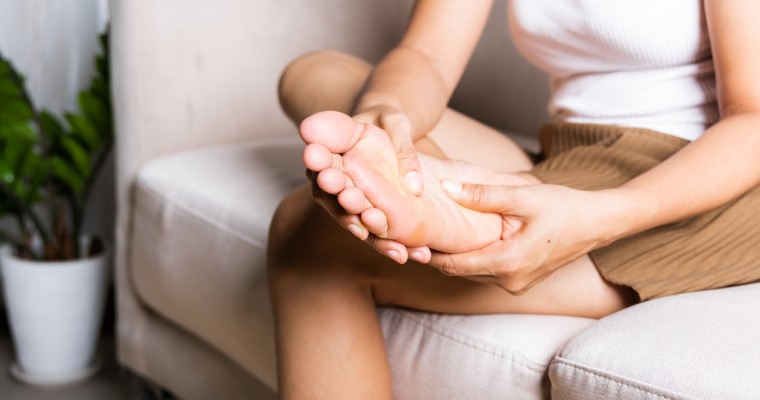
Alcohol can contribute to neuropathy, but so can diabetes, thyroid or kidney disease, vitamin deficiencies, certain medications, nerve...

Naltrexone does not appear to consistently lower sex drive. Sexual changes have been reported, but research hasn't established...
You've found something that might help you drink less. Then you read that naltrexone blocks endorphins and start...