
The Mindful Drinking Blog

Why “I Thought I Was Past This” Is Totally Normal

Maybe you’ve started drinking less, taking more alcohol-free days, or perhaps you have decided to stop entirely. And you’ve felt the initial effects: improved sleep, easier mornings, a more stable mood. Things feel better, like you’ve turned a corner. Then one night, it happens.

What 1, 2, or 5 Drinks Really Do To Your Body

If you’ve tried to figure out what “safe” drinking really means, you’ve probably noticed something strange: the answers don’t always agree. The confusing part is that these recommendations are answering different questions, even though they’re often presented as if they’re competing.

Why Evening Alcohol Cravings Can Hit Harder Than Morning Intentions

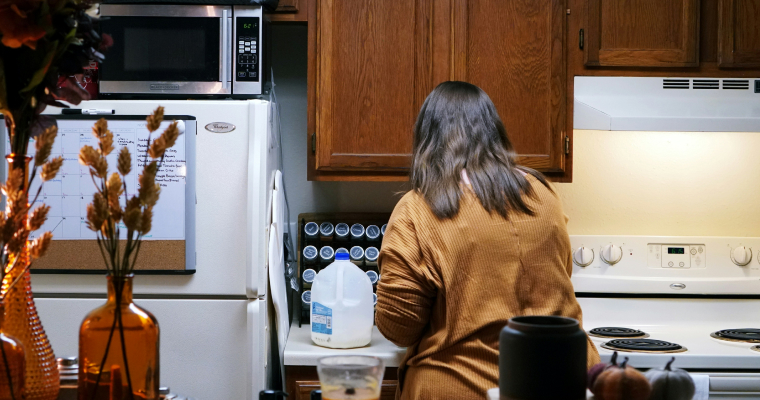
A funny thing happens when people start paying attention to their drinking habits. The person making decisions at 7 a.m. and the person standing in the kitchen at 7 p.m. don’t always seem like the same person. In the morning, everything feels straightforward. You’re thinking about sleep, energy, maybe the workout you want to squeeze in before work. Cutting back on alcohol seems like an easy call. Later that evening, though, the calculation shifts.

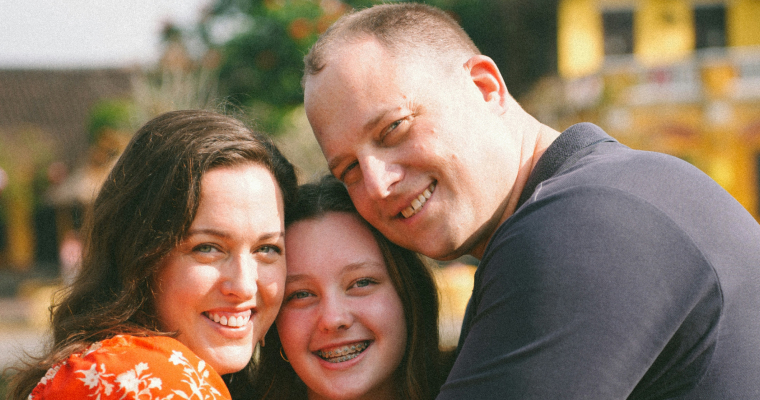
When Parents Feel the Gut Check Around Drinking

For a lot of parents, concern around drinking shows up as a feeling you can’t quite name—a moment where you pause and think, Something here deserves a closer look, even if nothing is obviously wrong. That moment is familiar to therapeutic consultant Joanna Lilley. Although she spends most of her time working with young adults, it’s usually parents who reach out first. “They usually are coming to me when they have exhausted a lot of their local resources or their network,” she says. “And in addition to exhausting that network, they’re also just concerned about their child.”

Why Teens Really Start Drinking

For many young people, their first drink isn’t about getting drunk. It’s about feeling like they belong. When you look at early drinking through that lens, the whole conversation changes. It’s less about “bad behavior” and more about identity, pressure, and connection.

Tired But Wired? What Your Body Is Trying To Tell You

Many people feel exhausted day to day, but also feel like they still can’t fully rest. Sleep feels light, and stress may linger. Even during quiet moments, the body feels keyed up, like it never quite knows how to power down. Zoe Conner, who holds a PhD in physics and now works in functional wellness, describes this “tired but wired” feeling as a systems problem, not a personal failure.