Last Updated on July 29, 2026
No vitamin can cure a hangover, but alcohol can deplete nutrients such as B vitamins, magnesium, and zinc over time. A B-complex or magnesium supplement may help support your overall nutrition, particularly if you drink regularly. For preventing hangovers, the evidence is strongest for eating before drinking, staying hydrated, avoiding binge drinking, and allowing your body time to recover.
You’ve probably heard that alcohol depletes vitamins and minerals. Maybe you’ve even wondered whether taking a B-complex, magnesium, or an electrolyte drink before bed could help you avoid a rough morning.
There’s truth behind the idea. Alcohol can interfere with your body’s nutrient balance, especially with heavier or more frequent drinking. But that doesn’t mean a supplement can undo a night of drinking.
Most hangover symptoms are driven by dehydration, disrupted sleep, inflammation, acetaldehyde, and alcohol’s effects on the brain rather than a sudden vitamin deficiency (Palmer et al., 2019). At the same time, alcohol can reduce the absorption of certain nutrients, increase urinary losses of nutrients, and raise your body’s demand for others.
The result is a lot of confusing advice. Some supplements may help replace nutrients that alcohol depletes over time, but there’s little evidence that any vitamin meaningfully treats a hangover on its own.
In this guide, we’ll look at which nutrients alcohol actually affects, what the research says about common supplements, and which strategies have the strongest evidence behind them.
What Alcohol Actually Depletes, and Why
Alcohol doesn’t strip every vitamin from your body overnight, but it can interfere with your nutrient balance, especially with heavier or more frequent drinking. Research shows it can reduce the absorption of key nutrients, including thiamine (B1), riboflavin (B2), folate (B9), and zinc, while also increasing urinary losses of certain vitamins and minerals (Butts et al., 2023).
How much this matters depends on your drinking habits. A single night out isn’t likely to leave you seriously deficient, but repeated heavy drinking can gradually deplete nutrients that support energy production, brain function, and overall health.
It’s also worth remembering that alcohol rarely acts alone. A night of drinking often comes with skipped meals, fast food, poor sleep, and dehydration, all of which can leave you feeling worse the next day.
B Vitamins
B vitamins are among the nutrients most consistently affected by alcohol, particularly with heavier or long-term drinking.
Thiamine (B1) is the biggest concern. Alcohol reduces how well your body absorbs and stores it, and severe deficiency can cause neurological problems. Even milder depletion may contribute to fatigue and brain fog.
Alcohol also reduces the absorption of folate (B9), while vitamins B6 and B12 can be affected over time. B6 plays an important role in your body’s production of neurotransmitters such as serotonin and GABA. However, there isn’t good evidence that taking extra B6 prevents hangxiety or other hangover symptoms.
A standard B-complex supplement is a reasonable way to support your intake, especially if you drink regularly. However, avoid taking high-dose B6 supplements long-term, which can cause nerve damage.
Magnesium
Alcohol can increase magnesium losses through urine, and magnesium deficiency is common in people with alcohol use disorder (Rivlin, 1994; Vanoni et al., 2021). The evidence is strongest for heavy, long-term drinking, so these findings shouldn’t be assumed to apply equally to someone who drinks occasionally.
Because magnesium supports muscle and nerve function, energy production, and sleep, low levels can contribute to symptoms like fatigue, headaches, and muscle tension. That overlap doesn’t mean magnesium deficiency causes a hangover, but it helps explain why replenishing magnesium may be reasonable if your intake is low.
Electrolytes
For most people after a typical night of drinking, water is enough. Electrolyte drinks are most helpful if you’ve lost significant fluids through repeated vomiting, diarrhea, or heavy sweating. They’re useful for replacing losses, not curing a hangover.
Zinc
Zinc supports immune function, antioxidant defenses, and alcohol metabolism. In a small observational study, people whose diets contained more zinc and niacin reported less severe hangovers (Verster et al., 2019).
Note: the study looked at dietary intake, not supplements. At this point, there’s no strong clinical evidence that taking a zinc supplement before or after drinking reduces hangover symptoms.
How Long Does It Take to Replenish Vitamins After Drinking?
The answer depends on whether you’re recovering from a single night of drinking or months or years of heavier alcohol use.
After a single night of drinking, dehydration and electrolyte losses are usually corrected by rehydrating, eating balanced meals, and getting enough sleep. A single episode of drinking is unlikely to cause a clinically significant vitamin deficiency in an otherwise well-nourished person.
If you’ve been drinking heavily over months or years, rebuilding depleted nutrient stores takes much longer (Butts et al., 2023). In that situation, consistent nutrition—and reducing how often you’re drinking—matter far more than any single supplement.
The Truth About Hangover Supplements, Vitamins, and Other Products
Two things are true at once: Alcohol can deplete nutrients, and a multivitamin won’t cure a hangover.
In a randomized trial of 214 moderate drinkers, a vitamin-and-mineral supplement did not significantly outperform placebo when it came to improving hangover symptoms (Lieb & Schmitt, 2020). A separate review of 82 hangover products likewise found no product backed by strong peer-reviewed evidence of safety and effectiveness (Verster et al., 2021).
That doesn’t mean supplements are useless. Replacing the nutrients that alcohol depletes is sensible, especially if you drink regularly. Just don’t expect a B-complex or magnesium supplement to undo dehydration, poor sleep, hangxiety, or alcohol’s other effects on the body.
A Note on Liver Supplements
Many “liver support” supplements promise to detox or repair damage from drinking, often with ingredients like milk thistle and proprietary herbal blends.
The evidence doesn’t support those claims. No over-the-counter supplement has been shown to repair alcohol-related liver damage. The most effective way to support your liver is to drink less and give it time to recover.
What to Do Before and After Drinking
If your goal is to feel better the day after drinking, the basics matter more than any supplement: nourishment and hydration.
- Before drinking: Eat a substantial meal. Food slows alcohol absorption and lowers your peak blood alcohol concentration, making it one of the most effective ways to reduce alcohol’s immediate effects.
- While drinking: Stay hydrated by alternating alcoholic drinks with water. If you’ve lost a lot of fluids through sweating, vomiting, or diarrhea, an electrolyte drink can help replace those losses.
- Before bed or the next morning: A B-complex and magnesium are reasonable choices because alcohol can deplete both over time. Just remember that they’re supporting your nutrient intake—not preventing or curing a hangover.
What Actually Reduces Hangovers Long-Term
Vitamins can help support your overall nutrition, but they don’t change the underlying reason hangovers keep happening. If rough mornings have become a regular part of your week, the most effective long-term strategies are to drink less, avoid binge drinking, and build more alcohol-free days into your routine.
For some people, that’s easier said than done. If you’ve tried to cut back before and found yourself slipping into the same patterns despite your best efforts, it doesn’t necessarily mean you “lack willpower.” Alcohol changes the brain’s reward system, which is one reason cutting back can feel harder than you expected.
Sunnyside Med is designed to make that process easier. The program combines clinician-prescribed compounded naltrexone with coaching, tracking tools, and community support to help you build sustainable drinking habits over time. Prescription naltrexone works by reducing the rewarding effects of alcohol, making it easier for many people to cut back over time.
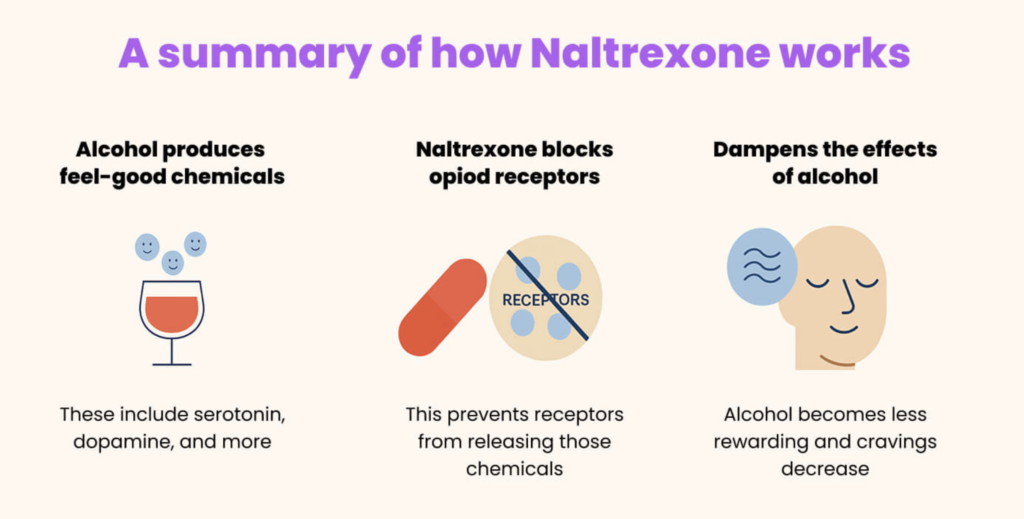
The compounded medication also includes vitamin B6, one of the nutrients alcohol can deplete.
“I started taking naltrexone earlier this month, and it has decreased the alcohol chatter,” said one Sunnyside Med member. “The thinking about drinking is as bad as the drinking. Now I barely think about it.”
According to internal data, 78% of Sunnyside Med members cut their drinking in 12 weeks. No willpower required, just science and support.
If hangovers are becoming more common, our free quiz can help you better understand your drinking habits and whether cutting back could make a difference.
Frequently Asked Questions (FAQ): Vitamins After Drinking
Should I take vitamins before or after drinking?
Either can be reasonable. If you choose to take supplements, a B-complex before drinking may help support your overall nutrient intake. Taking a B-complex or magnesium afterward can help replace nutrients alcohol may deplete over time. That said, eating a good meal before drinking and staying hydrated are likely to have a much bigger impact on how you feel the next day.
Does vitamin B complex help with a hangover?
A B-complex can help replenish B vitamins that alcohol may deplete, especially with regular or heavy drinking. However, there isn’t strong evidence that it reduces hangover symptoms on its own.
Can vitamins prevent a hangover?
No. No vitamin has been shown to reliably prevent a hangover.
Does magnesium help after drinking?
Alcohol can increase magnesium losses through urine, particularly with heavier drinking. If your magnesium intake is low, supplementation may help restore normal levels, but there isn’t good evidence that it cures a hangover.
What should I take before bed after drinking?
Start with water. If you’ve lost a lot of fluids through vomiting, diarrhea, or heavy sweating, an electrolyte drink may also help replace those losses. A B-complex or magnesium supplement can support your overall nutrient intake, but neither is a substitute for hydration, food, sleep, and time.
Do hangover pills actually work?
Probably not. A review of 82 commercially available hangover products found no product supported by strong peer-reviewed evidence of both safety and effectiveness. Some individual ingredients show early promise, but the overall evidence remains limited.
How do I recover faster after drinking?
There’s no proven shortcut. Rehydrating, eating a balanced meal, getting enough sleep, and allowing your body time to metabolize the alcohol have the strongest evidence. Vitamins may help address nutrient depletion, but they don’t speed up alcohol metabolism or reverse a hangover.
Naltrexone is a prescription medication. This content is educational and should not be taken as medical advice. A licensed clinician reviews every Sunnyside Med application.
Naltrexone Is the Perfect Companion for Your Naltrexone Journey
Sunnyside is the #1 mindful drinking app. Since 2020, we’ve been honing our harm-reduction approach and have helped over 400,000 people cut out 22 million drinks from their baseline habits. 96.7% of our members report success in drinking less, and in a third-party study, our approach was demonstrated to reduce weekly drinking by 33% after 12 weeks.
Think of Sunnyside as the front door for anyone who wants to change their relationship with alcohol. If you want to drink less, we can help you get there. If you want to eventually quit, but want to take a gradual approach, we can make that happen.
When you sign up for Sunnyside, you’ll take a quick 3-minute quiz, then hop into the app. It’s as simple and quick as that.
We’ll give you weekly plans to gradually reach your drinking goals, and we’ll provide nudges, coaching, exercises, and advice to help you get there.
We have daily tracking and journaling tools, including the option to chat with a real human coach at any time. And our state-of-the-art analytics help you track your progress over time.
Sunnyside is a full-featured mindful drinking app. Naltrexone will actively help you reduce cravings around alcohol, and Sunnyside will help you understand your triggers and patterns, giving you a healthy system for habit change.
If you choose to stop taking naltrexone, the Sunnyside app remains a tool you can keep using to maintain your healthy habits.
Everyone who signs up for Sunnyside gets a free 15-day trial. After that, the subscription is $8.25/month.
Whether you’re currently taking naltrexone or just doing some research on alcohol moderation, we’d love to have you sign up for our 15-day free trial today.