Last Updated on July 28, 2026
A stomach ache after drinking is usually caused by alcohol irritating the stomach lining, increasing stomach acid, or slowing digestion. Even one or two drinks can cause burning, cramping, nausea, or bloating in some people. Mild symptoms often improve within 24 to 48 hours with hydration, bland foods, and rest. If stomach pain keeps happening after drinking or is severe, it’s important to speak with a healthcare professional to rule out a more serious condition.
You had a drink or two last night. You didn’t expect much of a hangover, but your stomach has other ideas. Now you’re dealing with burning, cramping, nausea, or a dull ache that seems completely out of proportion to what you drank.
A stomach ache after drinking isn’t always a sign that something serious is wrong, but it is your digestive system reacting to alcohol. Even moderate amounts can irritate the stomach lining, increase stomach acid, slow digestion, and, in some people, trigger inflammation or diarrhea.
If this keeps happening, your body may be telling you that alcohol has become harder for your stomach to tolerate than it used to be.
In this guide, we’ll explain why alcohol can cause stomach pain, what you can do to feel better, when stomach pain deserves medical attention, and how noticing this pattern can help you make more informed decisions about drinking.
What Alcohol Actually Does to Your Stomach
Alcohol starts affecting your stomach within minutes. Even moderate amounts can change how your stomach functions, which helps explain why a stomach ache after drinking can happen even without a severe hangover.
Research has found that alcohol can stimulate stomach acid production. Beer and wine, in particular, are strong stimulants of gastric acid secretion, while distilled spirits generally are not (Lenz et al., 1983; Chari et al., 1993). More acid can contribute to the burning sensation many people notice after drinking.
Alcohol can also slow gastric emptying, meaning food and liquid stay in the stomach longer. In one controlled study, higher doses significantly delayed stomach emptying, which may contribute to bloating, nausea, and that heavy, uncomfortable feeling (Mushambi et al., 1993).
Does the Type or Amount of Alcohol Impact Stomach Pain?
Yes, the type or amount of alcohol you drink can impact stomach pain—but not always in the way people expect.
- How much you drink is generally the biggest factor. More alcohol means more exposure for the stomach lining, increasing the likelihood of irritation, inflammation, and delayed digestion.
- What you drink can matter too. As mentioned, research suggests beer and wine stimulate stomach acid more strongly than spirits. However, mixers, carbonation, acidity, and ingredients like histamines or sulfites may also make certain drinks harder for some people to tolerate.
- What’s already in your stomach plays a role as well. Drinking on an empty stomach exposes the stomach lining to alcohol more directly, while eating beforehand can dilute alcohol and slow its movement into the small intestine.
The takeaway is that there isn’t one “safe” type of alcohol for your stomach. If you notice the same drink causes discomfort every time—or that your tolerance has changed—that pattern is worth paying attention to.
Why Does a Stomach Ache After Drinking Hit Some People Harder?
A stomach ache after drinking isn’t just about how much you drank. Genetics, existing digestive conditions, and even the microbes living in your gut all influence how alcohol affects you. That’s why one person can have two drinks without thinking twice while someone else ends the night with burning, cramping, or nausea.
One well-studied example is alcohol intolerance caused by variants in the ALDH2 gene. These variants, which are more common in East Asian populations but occur in other groups as well, slow the breakdown of acetaldehyde, a toxic byproduct of alcohol metabolism. The resulting buildup has been linked to flushing, nausea, and other symptoms.
Your gut microbiome may also contribute. Research suggests that intestinal bacteria can convert alcohol into acetaldehyde within the digestive tract, and this locally produced acetaldehyde has been linked to alcohol-related diarrhea (Salaspuro, 1997). This mechanism may help explain why some people experience diarrhea and cramping while others don’t.
Research also suggests that alcohol can contribute to digestive symptoms over time. A systematic review found that while moderate alcohol intake was not consistently associated with functional gastrointestinal disorders, higher levels of alcohol consumption were linked to the development and worsening of digestive symptoms (Ohlsson, 2017). If stomach pain is becoming more frequent or more severe over time, it’s worth paying attention rather than assuming it’s just another hangover.
What to Do About a Stomach Ache After Drinking
Most mild stomach irritation improves with time. While you wait, a few simple measures may help:
- Sip water: Hydration will not repair an irritated stomach lining, but it may help if dehydration is adding to your nausea or general discomfort.
- Try bland food: Crackers, toast, rice, or a banana may be easier to tolerate than rich, greasy, spicy, or acidic foods. Do not force yourself to eat if you feel very nauseated.
- Consider an antacid: Calcium carbonate may temporarily relieve acid-related burning or indigestion. Follow the label, and do not rely on antacids to manage pain that keeps returning.
- Use ginger for nausea: Ginger has evidence supporting its use for several types of nausea, although research specifically on alcohol-related nausea is limited.
- Adjust your position: If the discomfort feels like reflux, remaining upright or lying on your left side may reduce the movement of acid into the esophagus.
Avoid drinking more alcohol to “settle” your stomach. You may also want to be cautious with aspirin and ibuprofen, which can further irritate the stomach lining.
Mild symptoms may clear within a day or two. Severe, persistent, or unusual pain needs more attention.
When to See a Doctor About a Stomach Ache After Drinking
Seek urgent medical care for:
- Severe upper-abdominal pain, especially if it spreads to your back
- Blood in your vomit or vomit that resembles coffee grounds
- Black, tarry stools
- Persistent vomiting or an inability to keep fluids down
- Abdominal pain accompanied by fever
- Fainting, marked weakness, confusion, or signs of severe dehydration
Severe upper-abdominal pain that radiates to the back can occur with acute pancreatitis, while bloody vomit or black stools may indicate gastrointestinal bleeding. Both require prompt evaluation.
Contact a healthcare professional if the pain remains after 48 hours without alcohol, repeatedly returns after drinking, or is becoming more intense. These symptoms do not automatically mean something serious is wrong, but they deserve more than repeated self-treatment with antacids.
What Recurring Stomach Pain After Drinking Is Telling You
One uncomfortable night can follow an unusual meal, a stronger drink, or more alcohol than usual. Pain that appears nearly every time you drink is a pattern.
That pattern is useful information, not a diagnosis. Alcohol may be repeatedly aggravating acid reflux, gastritis, a sensitive digestive system, or another underlying condition. The amount that triggers symptoms may also change over time.
As one person described the frustration of seeking answers, “Doctors just fob me off saying, ‘Just stop drinking alcohol.’” Avoiding alcohol may indeed prevent the symptoms, but that response does not explain why they are happening or help someone who wants a realistic way to change their drinking.
Start by noting what you drank, how much, whether you had eaten, when the pain began, and what the discomfort felt like. That record can reveal patterns and give a clinician more specific information to work with.
Combating Stomach Aches After Drinking Long Term
The most dependable way to reduce alcohol-related stomach pain is to drink less alcohol, less often. That reduces the stomach’s overall exposure to an irritant and gives recurring inflammation more time to settle.
Here are a few practical methods to consider:
- Eat before drinking. Food slows gastric emptying, delaying alcohol absorption and reducing the stomach’s direct exposure to alcohol, and may make drinking less irritating than drinking on an empty stomach.
- Set a drink limit in advance. It is usually easier to follow a specific plan than to make decisions after drinking has begun.
- Slow your pace. Water or a nonalcoholic drink between alcoholic beverages can help you space them out.
- Notice drink-specific triggers. Carbonation, acidity, mixers, and other ingredients may worsen symptoms for some people.
- Leave alcohol-free days between drinking occasions. If your stomach is already irritated, more alcohol may prolong the symptoms.
- Track your symptoms and drinks. Look for the amount, timing, or situation at which discomfort tends to begin.
These changes may reduce irritation, but they are not a substitute for medical care if pain is severe or recurring. Continued symptoms are a reason to speak with a healthcare professional, even if cutting back helps.
Sunnyside Med Can Help You Drink Less Without Pressuring You to Quit
For some people, identifying the trigger is easier than changing the pattern. Alcohol activates reward pathways in the brain, which can make the next drink feel more compelling even when part of you wants to stop.
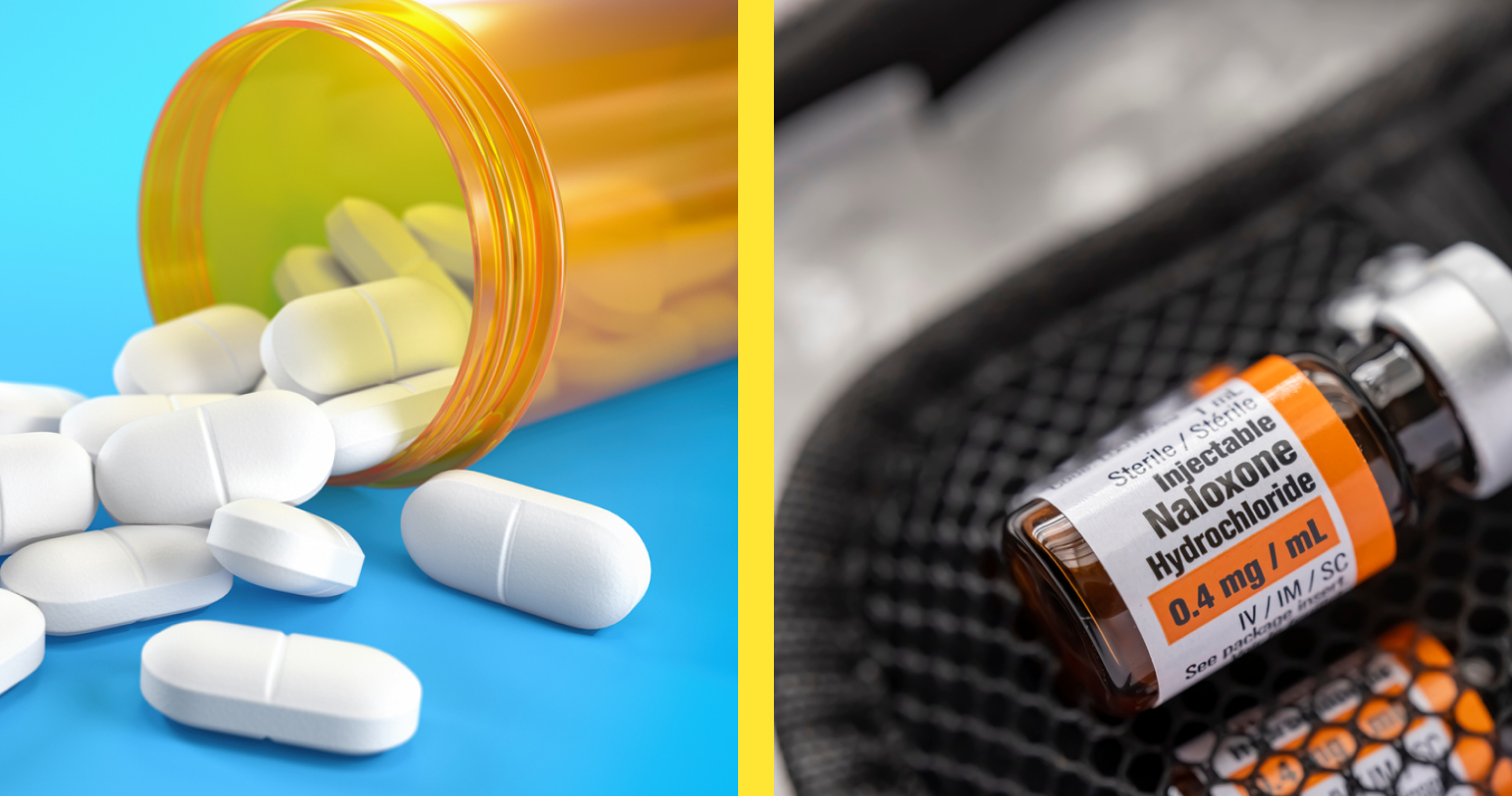
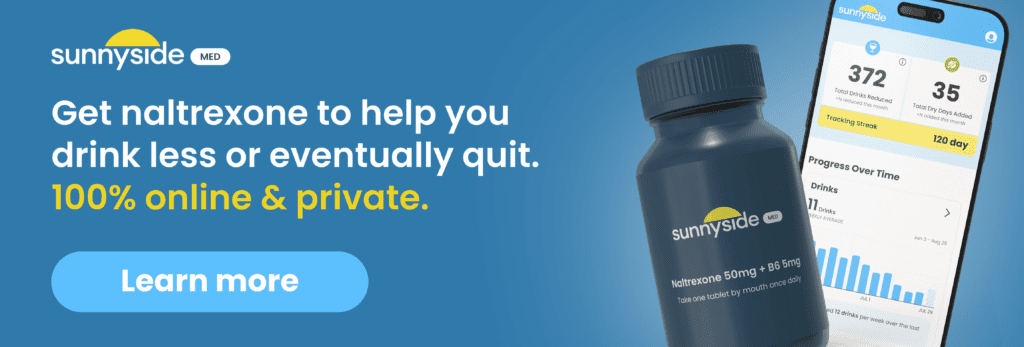
One way to combat this is a daily pill called naltrexone, which has been FDA-approved since 1994. Naltrexone reduces alcohol’s rewarding effects for many people, which may make it easier to drink less. It does not directly treat gastritis, reflux, or stomach pain, but fewer drinks can mean less alcohol reaching and irritating the digestive tract.
Sunnyside Med offers access to compounded daily naltrexone online, using a gradual ramp-up protocol intended to improve tolerability, with dosing directed by a licensed clinician.
Early naltrexone side effects can include nausea, headache, fatigue, or dizziness, though they don’t happen to everyone. These effects often improve as the body adjusts, but individual experiences vary.
At Sunnyside Med, members frequently describe drinking less often—and feeling significantly better day to day. “I just feel so much better not drinking all the time,” said one member. “Somehow my brain feels different! It really is a game changer for me. Huge.”
And medication is just one part of the picture. Sunnyside Med also includes practical tools designed to help you change your drinking habits over time, including drink tracking, reminders, educational resources, and access to coaching and a supportive community. Together, these tools help you recognize patterns, stay consistent, and build sustainable changes that extend beyond the prescription itself.
According to Sunnyside Med internal data, members averaged a 45.6% reduction in daily drinks over 12 weeks, and 78% achieved a reduction of at least 10%. These findings were measured among active members with at least 50% app engagement. Individual results vary.
Frequently Asked Questions (FAQ)
Why does my stomach hurt after just one or two drinks?
Even one or two drinks can increase stomach acid and irritate the stomach lining. Your genetics, digestive health, and individual sensitivity all affect how strongly you react.
Is stomach pain after drinking the same as alcoholic gastritis?
Not necessarily. A stomach ache after drinking can be temporary irritation, while gastritis is inflammation of the stomach lining. If your symptoms keep coming back or don’t improve, see a healthcare professional.
How long does stomach pain after drinking last?
Mild stomach irritation often improves within 24 to 48 hours. If the pain lasts longer, gets worse, or is severe, seek medical care.
What helps settle your stomach after drinking?
Water, bland foods, and an occasional antacid may help. Ginger can ease nausea, and avoiding aspirin or ibuprofen may prevent additional stomach irritation.
Can moderate drinking cause stomach problems?
Yes. Even moderate amounts of alcohol can irritate the stomach, although heavier drinking is more strongly associated with ongoing digestive symptoms.
When should I see a doctor for stomach pain after drinking?
Seek medical care if you have severe pain, pain that spreads to your back, blood in your vomit or stool, persistent vomiting, fever, or symptoms that last longer than 48 hours.
If recurring stomach pain after drinking has become a pattern, reducing how much and how often you drink may help. Sunnyside Med combines clinician-guided compounded naltrexone with tools and support designed to make cutting back feel more manageable. You can find out if you’re eligible through a short, 100% online assessment.
Naltrexone is a prescription medication. This content is for educational purposes only and is not medical advice. A licensed clinician reviews every Sunnyside Med application.
Sunnyside is the Perfect Companion for Your Naltrexone Journey
Sunnyside is the #1 mindful drinking app. Since 2020, we’ve been honing our harm-reduction approach and have helped over 400,000 people cut out 22 million drinks from their baseline habits. 96.7% of our members report success in drinking less, and a third-party study found that our approach reduced weekly drinking by 33% after 12 weeks.
Think of Sunnyside as the front door for anyone who wants to change their relationship with alcohol. If you want to drink less, we can help you get there. If you want to eventually quit, but want to take a gradual approach, we can make that happen.
When you sign up for Sunnyside, you’ll take a quick 3-minute personalization quiz, then hop into the app. It’s as simple and quick as that.
We’ll give you weekly plans to gradually reach your drinking goals, and we’ll provide nudges, coaching, exercises, and advice to help you get there.
Sunnyside is a full-featured mindful drinking app, and thus the perfect companion for your Naltrexone journey. Naltrexone will actively help you reduce cravings around alcohol, and Sunnyside will help you understand your triggers and patterns, giving you a healthy system for habit change.
If and when you see success drinking less, and you choose to stop taking naltrexone, Sunnyside is a tool you can keep using to maintain your healthy habits.
Everyone who signs up for Sunnyside gets a free 15-day trial. After that, the subscription is $8.25/month. Our members save an average of $50 per month, easily paying for the cost of the subscription.
Whether you’re currently taking naltrexone or just doing some research on alcohol moderation, we’d love to have you sign up for our 15-day free trial today.