

How to Drink Less Alcohol in 2026: 10 Practical Ways to Cut Back
Whatever your reason, drinking less doesn't have to mean giving up alcohol entirely. You can set your own...


Do you ever think about how your drinking might impact your children? As parents, of course we think about the values and characteristics we want to pass on to our children, but how often do we really stop to consider what they’re learning from watching and experiencing us drinking?
It’s easy to get into the habit of drinking around our kids. Afterall, drinking is woven deep into our culture, from celebrations and social gatherings to unwinding after work. Studies have shown that kids are incredibly perceptive and how we show up when it comes to alcohol can definitely have an impact on them.
In this article we’ll take a look at what children really think about parents consuming alcohol, the impact it can have on their own development and habits, and what responsible consumption at home can look like.
According to a survey by Parents Magazine, 52% of mothers drink regularly in front of their children, and nearly half have become tipsy or drunk in their presence. Most parents don’t believe (or don’t want to believe) that their drinking has an impact on their children, but kids are like sponges, and whether we realize it or not, they are watching and forming their own opinions about alcohol
Here are some common drinking behaviors that kids might pick up on:
While none of these behaviors are inherently “bad,” they can shape a child’s perception of alcohol in unintended ways. For example, as children enter college and begin drinking, they may assume that drinking during parties is basically comes with the territory, further reinforcing drinking in the college setting.
My co-founder and I started Sunnyside because we wanted to help millions of people develop a healthier relationship to alcohol. Many people like myself grew up in households where alcohol was a common occurrence, and led to traumatic memories.
My parents started drinking heavily when I was around five years old and it had a lasting impact on me. Now 40 years old, there’s not a week that goes by where the memories come back into my mind.
My father started drinking a beer a night, but it quickly ramped up to a 6 pack, then a 12 pack. This often led to fights and arguments in the house (and sometimes even violence), often culminating with him storming out of the house and staying away for a night or two. This broke my heart as a kid and clearly has impacted me for years. My father fortunately ended up finding sobriety with the support of AA and was responsible for creating an incredibly positive childhood for me.
On the other hand, my mom was a closet drinker and wasn’t able to stop. She eventually distanced herself from the family and passed away due to liver failure from alcohol when I was only 9 years old. I went through incredibly traumatic experiences living with her through her drinking.
I say this not to be alarmist, but to share that at Sunnyside, we get it. We’ve been through the worst when it comes to alcohol, and through our experiences, we’ve developed a program that has already helped over 400k people live healthier lives by finding a better relationship with alcohol.
I believe alcohol can exist in a household with children, but I also believe it should be done with intention and care.
If you ever need help drinking less, please consider giving Sunnyside a chance to help. It’s affordable, only requires minutes of your time a day, and is always private and judgment-free.
Parental modeling plays a major role in shaping a child’s future relationship with alcohol. Here’s how:
If you enjoy alcohol in the home, as nearly 75% of adults do, what’s the best way to be a healthy role model for your kids? I’ve had this conversation with Mike Hardenbrook, the host of the Sunnyside podcast, and we both agreed that the core principals of mindful drinking apply here. If you strive to be a mindful drinker who consumes with intention, you will likely be setting a good example for your children. Here’s are some basic strategies you can work on:
If you’re reading this article and finding yourself concerned about your own drinking habits around your children, you may want to consider a simple break from alcohol. We don’t judge at Sunnyside, but we’ve heard countless stories, and the truth is that if something is nagging you about alcohol, it might be a sign for you.
Taking a break from drinking for 30 days gives you a chance to step way back and rethink your drinking. The first week can often be hard and cause extra anxiety, but as the weeks move on, you’ll find yourself prioritizing your health and wellbeing, learning to unwind without that glass of wine, and observing how your children behave in an environment without alcohol.
Most likely, you’ll find that you’re connections with your children and family feel different. Possibly a bit more stressful at times, but definitely more meaningful.
If you do want to take a break from alcohol, just be sure to do it with care. Putting a system and program in place will help you achieve success without feeling like it’s too much of a struggle. Again, this is exactly why we designed Sunnyside. When you sign up, we’ll evaluate your goals and motivations, then put a personalized plan in place for you, and give you all the tools you need to hit those goals and see great results.
Drinking around your children isn’t necessarily bad, but it’s worth considering the context, how much you’re drinking, and what messages you might be sending. It’s worth periodically checking in with yourself, and potentially having a conversation with your partner, friend, or therapist.
Ask yourself:
Mindful drinking isn’t about completely cutting out alcohol—it’s about making sure that what your kids observe aligns with the values you want to pass on.And if you’re looking for tools to help build a healthier relationship with alcohol, Sunnyside is here to support you. Get a free 15-day trial at Sunnyside.co.
Ian has a family deeply hurt by alcohol, and is on his own personal journey to drink less and live his healthiest life. He’s took naltrexone daily for two years and saw incredible results. As Sunnyside Med’s first customer, he’s deeply entrenched in alcohol health and naltrexone.
Whatever your reason, drinking less doesn't have to mean giving up alcohol entirely. You can set your own...
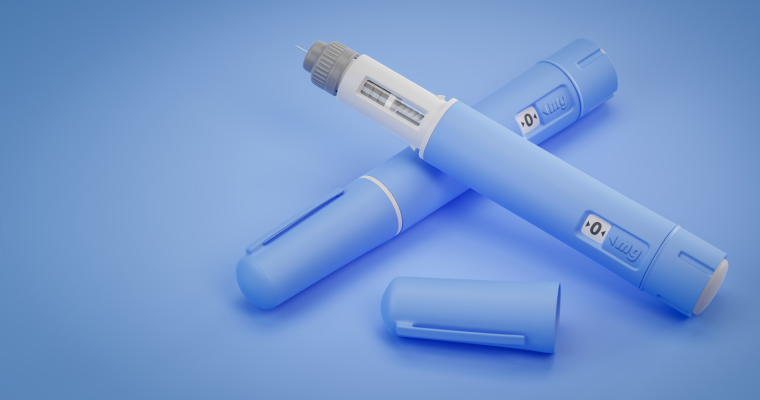
Early research suggests semaglutide may reduce alcohol cravings and some measures of drinking in people with alcohol use...
Alcohol use disorder (AUD) is often described as a chronic condition. That can sound pretty final, especially if...

AA has strong evidence behind it for helping people with alcohol use disorder achieve abstinence, but the studies...