Last Updated on July 21, 2026
Wondering how to metabolize alcohol faster? You can’t. Once alcohol is in your bloodstream, your liver clears it at a largely fixed rate. Coffee, cold showers, water, and every other popular “sobering up” trick may change how you feel, but they don’t make alcohol leave your body any faster. What you can influence is how quickly alcohol enters your bloodstream in the first place and how much you drink.
It’s 11 p.m. You had more to drink than you planned, you need to function tomorrow, and you’re Googling how to metabolize alcohol faster. Coffee? A cold shower? Another bottle of water?
Why do they always give people in movies coffee to sober up? Some part of you probably already suspects it doesn’t work, and you’re right. It doesn’t.
None of those “classic” tricks change how quickly your liver processes alcohol. Only time does. But some things affect how much alcohol reaches your bloodstream in the first place.
How Alcohol Metabolism Actually Works
Alcohol metabolism begins almost immediately after you take a drink. A small amount is broken down in the stomach, but most passes into the bloodstream before reaching the liver, where the majority of alcohol metabolism takes place.
There, alcohol dehydrogenase (ADH) converts ethanol into acetaldehyde, a toxic compound responsible for many of alcohol’s unpleasant effects. Another enzyme, aldehyde dehydrogenase (ALDH), then converts acetaldehyde into acetate, which your body can safely eliminate.
For most people, the liver clears alcohol at roughly one standard drink per hour. That rate varies between individuals, but it can’t be meaningfully sped up by food, caffeine, supplements, or home remedies.
The important distinction is this: some factors influence how much alcohol reaches your bloodstream and how high your blood alcohol concentration (BAC) climbs. Very few change how quickly your liver clears alcohol once it’s there.
A standard drink contains 14 grams of pure alcohol, roughly a 12-ounce beer (5%), a 5-ounce glass of wine (12%), or 1.5 ounces of distilled spirits (40%). Home pours are often much larger than people realize!
Why You Might Want to Metabolize Alcohol Faster
There are plenty of understandable reasons people search for how to metabolize alcohol faster.
Maybe you have an early meeting tomorrow. Maybe you’re worried about whether it’s safe to drive. Maybe you simply feel miserable and want the night to end. None of those reasons change what your liver is capable of doing, but they do explain why so many myths about “sobering up” continue to circulate.
Why the Classic Advice Doesn’t Work
All of the popular tricks have one thing in common: they may make you feel different in the moment, but they don’t reduce the amount of alcohol in your bloodstream.
Coffee and Caffeine
Caffeine can counteract alcohol’s sedating effects, making you feel more awake. What it doesn’t do is lower your blood alcohol concentration or restore the judgment, coordination, and reaction time alcohol impairs.
Research has found that caffeine does not meaningfully reduce alcohol-related impairment. Instead, it creates a potentially dangerous mismatch: you feel more alert while remaining just as impaired.
Cold Showers
A cold shower may wake you up, but it doesn’t speed alcohol metabolism or lower your BAC. Like caffeine, it changes alertness rather than alcohol clearance.
Exercise
Exercise doesn’t burn off alcohol, either. Even though it raises your heart rate and makes you sweat, more than 90% of alcohol is metabolized by the liver, not eliminated through sweat. You may feel more awake afterward, but your BAC remains essentially unchanged.
Water, Electrolytes, Green Tea, and Supplements
Drinking water can help replace fluids because alcohol increases urine production. Electrolytes may also help with dehydration if you’ve been drinking heavily. However, neither lowers your BAC nor makes your liver process alcohol faster.
The same is true for green tea, probiotics, activated charcoal, and the countless “detox” products marketed online. Despite the claims, there is no credible evidence that they accelerate alcohol metabolism.
What Affects How Alcohol Hits You?
If alcohol seems to affect you more than the people around you, that doesn’t necessarily mean you’re doing anything wrong. Several biological factors influence how much alcohol reaches your bloodstream before your liver has a chance to process it.
- Body size: People with more total body weight generally reach a lower peak BAC after the same amount of alcohol.
- Sex: Research suggests women often have lower gastric ADH activity than men, meaning a greater proportion of alcohol reaches the bloodstream before it reaches the liver.
- Age: Research suggests first-pass metabolism may decline over time, making alcohol affect older adults more strongly than it did when they were younger.
- Genetics: Variants of the ALDH2 gene, which are common in several East Asian populations, reduce the body’s ability to break down acetaldehyde and are responsible for many cases of alcohol flushing and alcohol intolerance.
So if you seem to get drunk faster or feel worse the next day than your friends, that isn’t necessarily a reflection of willpower. A lot of it comes down to biology you didn’t choose.
What Can Actually Change the Picture Before You Drink: Food
Eating a substantial meal slows the rate at which alcohol leaves the stomach and enters the small intestine, where it’s absorbed much more efficiently. That means alcohol enters your bloodstream more gradually, lowering your peak BAC even though your liver still clears alcohol at roughly the same rate.
Research has also found that eating before drinking may modestly increase alcohol elimination. However, the much larger and more important effect is that food slows alcohol absorption, reducing how much alcohol reaches your bloodstream in the first place.
Pacing helps too. Spreading drinks over time (and alternating alcoholic beverages with water, or zebra striping) gives your liver a better chance to keep up than consuming several drinks quickly.
What Can Actually Help Tonight?
If you’ve already had too much to drink, there isn’t a shortcut to metabolizing it faster. Alcohol leaves your body when your liver finishes processing it. Nothing sold online or sitting in your kitchen will change that.
What you can do is make tomorrow a little easier.
- Hydrate. Water won’t lower your BAC, but it can help address dehydration, which contributes to headaches and fatigue.
- Eat something nourishing if you haven’t already. A meal can help stabilize blood sugar, even though it won’t sober you up.
- Get some sleep once you’re in a safe place. Sleep doesn’t speed alcohol metabolism, but it may leave you feeling better than staying awake and continuing to drink.
- Don’t drive or rely on how sober you feel. Alertness and blood alcohol concentration aren’t the same thing.
Changing Your Habits with Sunnyside Med
If you’ve searched how to metabolize alcohol faster more than once, the real question probably isn’t how your liver works. It’s whether drinking is actually giving you what you want.
That doesn’t automatically mean you have alcohol use disorder, and it doesn’t mean you need to quit drinking altogether. It might just mean your relationship with drinking needs adjusting.
Instead of looking for ways to clear alcohol faster after you drink, it’s often more effective to make it easier to stop where you meant to in the first place.
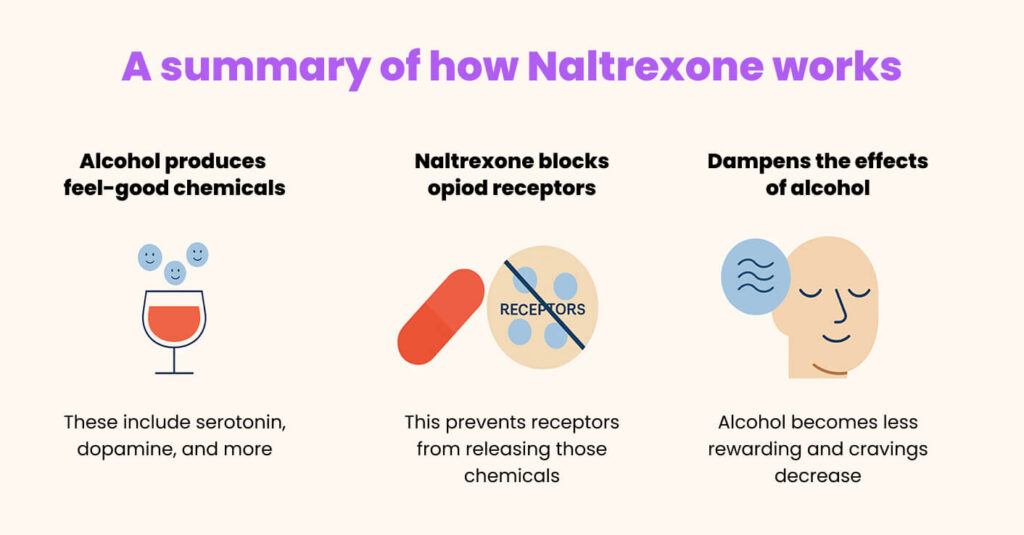
That’s where medications like naltrexone can help. Naltrexone is a once-daily pill that works on the brain’s reward pathways, reducing the rewarding effects of alcohol and often making it easier for people to stick with the limits they intended.
Sunnyside Med pairs a compounded formulation of naltrexone with physician oversight, habit tracking, coaching, and a private, supportive community designed for people who want to drink less, not necessarily stop forever. A licensed clinician reviews every application to determine whether the medication is appropriate.
Among active members with at least 50% app engagement, 78% reported meaningfully reducing their drinking. Individual results vary.
If you’re curious whether naltrexone could be part of that, you can learn more about Sunnyside Med and see if you’re eligible online in just a few minutes.
You can learn more or see whether you’re eligible with a quick assessment.
Frequently Asked Questions (FAQ)
Can you speed up alcohol metabolism?
No. Once alcohol is in your bloodstream, your liver clears it at a largely fixed rate. Coffee, water, exercise, and supplements don’t make alcohol leave your body any faster.
Does coffee sober you up?
No. Caffeine can make you feel more awake, but it doesn’t lower your blood alcohol concentration (BAC) or restore the judgment and coordination alcohol impairs.
Does drinking water help you metabolize alcohol faster?
No. Water helps replace fluids lost through alcohol’s diuretic effect, but it doesn’t speed alcohol metabolism or reduce your BAC.
How long does it take to metabolize one standard drink?
For most people, the liver metabolizes alcohol at roughly one standard drink per hour. The total time depends on how much you drank, how quickly you drank it, and when your last drink was, because your body begins metabolizing alcohol as soon as you start drinking.
Why does alcohol affect me more than my friends?
Body size, sex, age, genetics, and liver health all influence how alcohol affects different people. Those differences help explain why two people can drink the same amount and have very different experiences.
Can you sweat alcohol out?
No. Exercise and sweating don’t significantly increase alcohol metabolism. More than 90% of alcohol is broken down by the liver, not eliminated through sweat.
Naltrexone is a prescription medication. This content is educational and should not be taken as medical advice. A licensed clinician reviews every Sunnyside Med application.
Sunnyside is the Perfect Companion for Your Naltrexone Journey
Sunnyside is the #1 mindful drinking app. Since 2020, we’ve been honing our harm-reduction approach and have helped over 400,000 people cut out 22 million drinks from their baseline habits. 96.7% of our members report success in drinking less, and in a third-party study, our approach was demonstrated to reduce weekly drinking by 33% after 12 weeks.
Think of Sunnyside as the front door for anyone who wants to change their relationship with alcohol. If you want to drink less, we can help you get there. If you want to eventually quit, but want to take a gradual approach, we can make that happen.
When you sign up for Sunnyside, you’ll take a quick 3-minute quiz, then hop into the app. It’s as simple and quick as that.
We’ll give you weekly plans to gradually reach your drinking goals, and we’ll provide nudges, coaching, exercises, and advice to help you get there.
We have daily tracking and journaling tools, including the option to chat with a real human coach at any time. And our state-of-the-art analytics help you track your progress over time.
Sunnyside is a full-featured mindful drinking app. Naltrexone will actively help you reduce cravings around alcohol, and Sunnyside will help you understand your triggers and patterns, giving you a healthy system for habit change.
If you choose to stop taking naltrexone, the Sunnyside app remains a tool you can keep using to maintain your healthy habits.
Everyone who signs up for Sunnyside gets a free 15-day trial. After that, the subscription is $8.25/month.
Whether you’re currently taking naltrexone or just doing some research on alcohol moderation, we’d love to have you sign up for our 15-day free trial today.