

Alcohol and Migraines: Triggers, Timing, and What to Track
If you've ever developed a migraine after a glass of wine, you might have assumed the alcohol was...


Maybe two drinks used to feel like enough. Now, though, they barely register, or you’ve noticed that your usual pours have gotten larger. You might even find yourself drinking more than you intended without feeling particularly intoxicated.
These changes can be easy to overlook. But rising alcohol tolerance can tell you something important about your drinking habits, even before you notice other consequences.
Increasing alcohol tolerance means experiencing less of alcohol’s effects after repeated exposure. The amount that once made you feel relaxed, buzzed, or sleepy may produce a weaker response, making another drink seem like a reasonable option.
But being able to “handle” more alcohol doesn’t mean your body is protected from its effects. Alcohol can still impair judgment and coordination, disrupt sleep, and affect your long-term health, even when you don’t feel especially drunk.
Tolerance changes how alcohol feels, not necessarily how much harm it causes.
Alcohol tolerance develops as the brain and body adapt to repeated exposure. Drinking more frequently or consuming larger amounts can make those adaptations more noticeable.
There are several forms of alcohol tolerance:
You might notice that your usual number of drinks no longer produces the same buzz, that you’re pouring more without thinking about it, or that you need another drink to feel satisfied.
None of these changes automatically means you have alcohol use disorder (AUD). However, rising tolerance can be an important warning sign, especially if your alcohol consumption is increasing alongside it.
In a 40-year prospective study, researchers followed 378 men and found that a lower response to alcohol in young adulthood predicted later heavy drinking and alcohol-related problems. The study doesn’t establish that everyone with high tolerance will develop AUD, but it suggests that a muted response to alcohol can be a risk factor.
No. Someone with high alcohol tolerance may feel relatively sober even when their BAC is elevated and their ability to drive or make decisions is impaired.
A 2021 laboratory study involving 120 young adults found that participants developed acute tolerance to some subjective effects of alcohol, but not all measurable effects. They could feel less intoxicated without showing equivalent improvements in balance or sleepiness.
A systematic review of 26 studies found a similar pattern. At the same BAC, participants generally felt less intoxicated when their BAC was falling than when it was rising. They were also more willing to drive, despite driving performance and inhibitory control often being no better.
This phenomenon helps explain why someone might feel as though they’ve sobered up toward the end of an evening, even though they’re still impaired.
How sober you feel isn’t a reliable measure of whether you’re safe to drive. Alcohol tolerance doesn’t eliminate the risks of intoxication, and feeling normal again doesn’t mean your BAC has returned to zero.
Although these terms sound similar, they describe different processes.
| Term | What it means | Common example |
| Alcohol tolerance | Experiencing weaker effects after repeated drinking | Needing more drinks to feel the same buzz |
| Alcohol intolerance | Experiencing adverse reactions to alcohol or its components | Flushing, nausea, or a rapid heartbeat after drinking |
| Alcohol metabolism | How the body absorbs and breaks down alcohol | The process through which alcohol is eliminated from the bloodstream |
Alcohol intolerance can involve genetic differences in enzymes that process alcohol. A 2023 genetic meta-analysis identified strong associations between variants near the ALDH2 and ADH1B genes and alcohol-related flushing among men of East Asian ancestry. These reactions differ from the learned tolerance that develops with repeated drinking.
Likewise, being able to drink more without feeling intoxicated doesn’t mean your body eliminates alcohol significantly faster. Coffee, cold showers, and exercise won’t rapidly clear alcohol from your bloodstream.
If you’ve been drinking less frequently or have taken a break from alcohol, you may notice that your usual amount affects you more strongly than before.
That’s because some of the adaptations associated with alcohol tolerance can diminish when alcohol exposure decreases.
Other factors can also influence how alcohol affects you, including:
These factors don’t necessarily change tolerance itself. Some instead affect alcohol absorption, impairment, or how you experience intoxication.
If your response to alcohol changes suddenly or dramatically, particularly if you experience severe flushing, vomiting, faintness, or breathing difficulties, stop drinking and seek medical advice.
The most reliable way to reduce alcohol tolerance is to reduce your alcohol consumption or take a break from drinking. There’s no proven shortcut that resets tolerance while allowing you to maintain the same drinking pattern.
However, if you drink heavily or regularly and may be physically dependent on alcohol, stopping suddenly can be dangerous. Talk with a healthcare professional before making major changes, especially if you’ve experienced withdrawal symptoms.
Before changing your habits, get a clear picture of how much alcohol you’re consuming.
Try tracking the number of standard drinks you have each day rather than counting glasses. A generous wine pour or strong cocktail may contain more than one standard drink.
One Sunnyside member wrote on Trustpilot, “When I first started tracking my drinks, the most eye-opening thing was that I was not ‘just having one.'”
Tracking can help you recognize patterns that might otherwise go unnoticed. Our guide to standard drinks can help you estimate how much alcohol is in your usual beverages.
You don’t necessarily need to stop drinking altogether to begin changing your habits.
Depending on your current drinking pattern and health, you might try adding alcohol-free days, setting a lower drink limit, or avoiding automatic refills. Choosing smaller servings can also help you reduce your overall consumption.
Some people find that a defined break makes it easier to reassess their habits. Intermittent sobriety involves taking planned breaks from alcohol without necessarily committing to permanent abstinence.
There’s no universal timeline for how quickly tolerance decreases. The process depends on your previous alcohol consumption, the duration of the change, and individual factors.
If you’ve reduced your alcohol consumption or taken time off, don’t assume your previous drinking habits will affect you the same way.
Your tolerance may have decreased, meaning an amount you previously consumed could now produce stronger effects and greater impairment.
Avoid trying to test whether your old tolerance has returned. If you choose to drink again, consuming less than you previously did and arranging safe transportation can help reduce risk.
Reducing alcohol consumption can have benefits beyond changing how strongly you feel its effects.
In a 2018 observational study, 94 moderate-to-heavy drinkers who abstained for one month experienced improvements in insulin resistance, blood pressure, weight, and several liver-related measures compared with participants who continued drinking.
A separate 2020 Dry January study found that participants who completed the break reported improvements in well-being and control over drinking.
Both studies were observational, so they don’t establish that everyone will experience the same results. Still, they suggest that a planned break can provide an opportunity to reassess your relationship with alcohol.
High or increasing tolerance is one of the criteria clinicians consider when evaluating alcohol use disorder, but it isn’t enough to establish a diagnosis on its own.
AUD involves a broader pattern of alcohol use that becomes difficult to control or continues despite negative consequences. Other signs can include cravings, unsuccessful attempts to cut back, withdrawal symptoms, or drinking that interferes with responsibilities and relationships.
It’s also important to distinguish tolerance from physical dependence. Tolerance means experiencing less effect from a given amount of alcohol. Physical dependence involves adaptations that can produce withdrawal symptoms when alcohol use is reduced or stopped.
You can develop tolerance without meeting the criteria for AUD. Conversely, someone can have AUD without experiencing every possible symptom.
If your tolerance has increased, consider what else has changed. Are you drinking more often? Are your pours getting larger? Do you find it harder to stop at the amount you planned?
These questions may tell you more about your relationship with alcohol than your tolerance alone. If you’re concerned, our guide to drinking less alcohol offers practical ways to get started.
If rising tolerance is making it harder to stick to your drinking goals, additional support may help. You don’t have to wait until your drinking feels out of control to make a change.
Sunnyside Med is a 100% online program that combines prescription medication, clinical care, and behavioral support to help eligible adults reduce or stop drinking.
After completing an online assessment, you’ll meet with a licensed clinician who will determine whether treatment is appropriate. Eligible members may receive compounded naltrexone with vitamin B6.
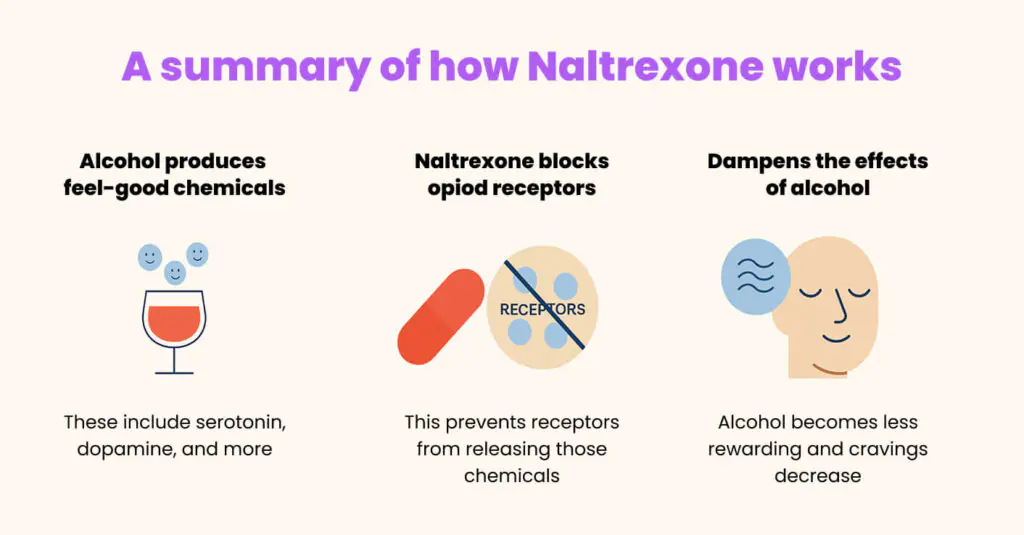
Naltrexone can reduce alcohol cravings and its rewarding effects, making it easier for some people to change their drinking habits. It doesn’t directly reset alcohol tolerance, lower BAC, or make drinking safer. Naltrexone is also not appropriate for people currently using opioids, and Sunnyside Med’s compounded medication is not FDA-approved.
The program includes drink tracking, personalized planning, unlimited one-on-one clinical care, human coaching, and a private community. Together, these resources can help you identify drinking patterns and work toward a goal that fits your needs.
If you’re ready to change your drinking habits, complete a brief online assessment to find out whether Sunnyside Med is appropriate for you.
Naltrexone is a prescription medication. This content is educational and should not be taken as medical advice. A licensed clinician reviews every Sunnyside Med application.
There's no established timeline that applies to everyone. Tolerance may begin to decrease after reducing or stopping alcohol consumption, but the rate depends on your previous drinking habits and individual factors.
Eating before drinking can slow alcohol absorption and affect how quickly your BAC rises, but it doesn't directly lower or eliminate tolerance. Food also doesn't prevent impairment if you consume too much alcohol.
No. Feeling less intoxicated doesn't mean alcohol is leaving your bloodstream faster. Time is the main factor that lowers BAC, and tolerance isn't a reliable indicator of how quickly you'll sober up.
Tolerance doesn't develop equally to every effect of alcohol. You may feel less intoxicated while still experiencing disrupted sleep, dehydration, or other effects that contribute to hangovers. Drinking more to achieve the same buzz can also make the next day worse.
Potentially. Reducing how often or how much you drink may allow tolerance to decrease over time. However, the amount of change varies, and people who are physically dependent on alcohol should seek medical guidance before significantly reducing their consumption.
Ian has a family deeply hurt by alcohol, and is on his own personal journey to drink less and live his healthiest life. He’s took naltrexone daily for two years and saw incredible results. As Sunnyside Med’s first customer, he’s deeply entrenched in alcohol health and naltrexone.
If you've ever developed a migraine after a glass of wine, you might have assumed the alcohol was...

Yes, you can drink alcohol while taking creatine. There's no evidence that alcohol cancels out creatine's benefits, although...

Alcohol can contribute to neuropathy, but so can diabetes, thyroid or kidney disease, vitamin deficiencies, certain medications, nerve...

Naltrexone does not appear to consistently lower sex drive. Sexual changes have been reported, but research hasn't established...