

GLP-1s and Alcohol: Can They Help With Cravings And Drinking Less?
If you regularly find yourself drinking more than you intended, cutting back can be easier said than done....


Naltrexone and Antabuse (disulfiram) are both medications for alcohol use disorder, but they work differently. Naltrexone reduces alcohol’s rewarding effects and can support drinking less or quitting. Antabuse causes an unpleasant and potentially serious reaction if you drink, so it is used to support abstinence. Which medication is appropriate depends on your drinking goals, health history, and a clinician’s assessment.
If you want to drink less without necessarily giving up alcohol altogether, naltrexone may be worth discussing with your clinician. If your goal is complete abstinence, Antabuse takes a very different approach: It creates a strong physical deterrent to drinking.
That makes your drinking goal an important part of the comparison, but it isn’t the only one. Naltrexone and Antabuse differ in how they work, what taking them is like, their safety considerations, and the kind of support that can make treatment more effective.
| Naltrexone | Disulfiram (Antabuse) | |
| How it works | Blocks opioid receptors involved in alcohol’s rewarding effects | Interferes with alcohol metabolism, causing acetaldehyde to build up |
| Drinking goal | Cutting back, reducing heavy drinking, or abstinence | Complete abstinence |
| Can you drink while taking it? | It doesn’t cause a disulfiram-style reaction, but alcohol can still intoxicate you and cause harm | No. Alcohol exposure can cause a potentially serious reaction |
| Does it reduce cravings? | It can reduce cravings and the urge to continue drinking | Not directly; it works as a deterrent |
| Important safety consideration | Current or recent opioid use | Alcohol |
The biggest difference between naltrexone and Antabuse is what happens when you drink. Naltrexone reduces some of alcohol’s rewarding effects, while Antabuse causes a physical reaction designed to deter you from drinking at all.
Naltrexone is an opioid antagonist. It blocks opioid receptors involved in the brain’s reward response to alcohol. It doesn’t prevent intoxication, but for some people, it can reduce cravings and make drinking feel less rewarding.
This effect may make it easier to stop after fewer drinks or reduce heavy-drinking days over time. Because naltrexone doesn’t cause an adverse reaction when alcohol is consumed, it can be used as part of a treatment plan focused on either moderation or abstinence.
Because naltrexone doesn’t cause an adverse reaction when alcohol is consumed, drinking while taking naltrexone is possible, although the medication doesn’t prevent intoxication or other alcohol-related harms.
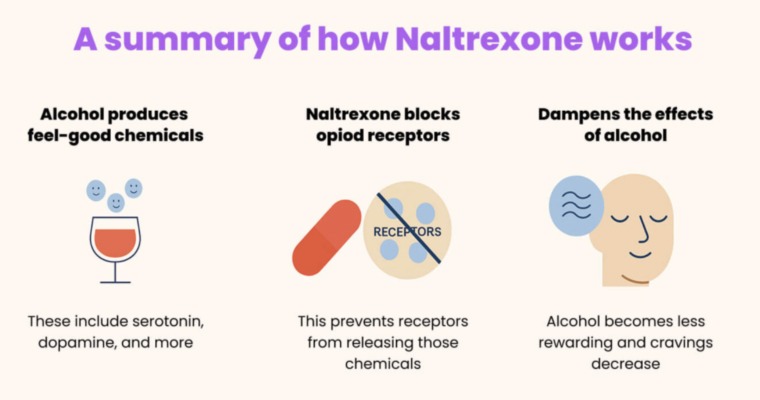
Disulfiram works on alcohol metabolism rather than the brain’s reward response. It inhibits an enzyme involved in breaking down alcohol, causing acetaldehyde to accumulate if you drink.
The resulting disulfiram-alcohol reaction can include flushing, headache, nausea, vomiting, chest discomfort, difficulty breathing, and changes in blood pressure. In some cases, the reaction can be severe.
That means disulfiram isn’t designed to help you practice moderation. Its purpose is to make drinking incompatible with your treatment plan. Again, it’s best for people who want to stop drinking entirely.
Your drinking goal is one of the clearest differences between these two medications. Naltrexone can support either cutting back or quitting alcohol, while Antabuse is specifically designed for people pursuing complete abstinence.
Naltrexone has a substantial evidence base for reducing heavy drinking. A 2023 systematic review and meta-analysis published in JAMA evaluated 118 clinical trials involving 20,976 participants and found that oral naltrexone reduced return to heavy drinking compared with placebo. The authors supported oral naltrexone as a first-line pharmacotherapy for alcohol use disorder.
That doesn’t mean everyone responds to naltrexone in the same way, and research conducted in people with AUD shouldn’t automatically be generalized to everyone who wants to change their drinking. But unlike disulfiram, naltrexone doesn’t require abstinence as the treatment goal.
Disulfiram may be worth discussing with your clinician if you’re committed to abstinence and want an additional deterrent against drinking.
Its effectiveness appears to depend considerably on how it is used. A 2014 meta-analysis of 22 randomized trials found that disulfiram showed benefits in open-label studies, particularly when treatment was supervised. Blinded trials didn’t show the same effect.
That distinction is especially relevant with disulfiram. Knowing that having a drink could cause a physical reaction is part of the medication’s intended effect, and supervision or accountability may help people take it consistently.
There’s not a universal winner here—again, because naltrexone and Antabuse are often being used to achieve different ends.
Naltrexone has strong evidence behind it for reducing heavy drinking, and it can also be used when abstinence is the goal. Disulfiram is much more specifically tied to abstinence, and the evidence suggests that it works best when someone else is involved in making sure the medication is taken consistently.
Some head-to-head research makes that difference especially clear. In a one-year randomized trial involving 100 men receiving treatment for alcohol dependence in India, disulfiram was associated with a longer time to relapse and more abstinent days, while naltrexone was associated with lower craving.
(One caveat: Every participant had a family member involved in treatment, and the study included only men seeking treatment for alcohol dependence.)
So the most useful initial question may be what you actually want the medication to help you do. From there, a clinician can help determine whether either medication is a safe and appropriate option based on your health history and other medications.
Both naltrexone and disulfiram require a prescription and clinical evaluation, but their most important safety considerations are different.
Current opioid use is one of the most important considerations before starting naltrexone. Because the medication blocks opioid receptors, taking it while physically dependent on opioids can trigger sudden, potentially severe withdrawal. Naltrexone can also interfere with opioid pain medications.
Tell your clinician about any current or recent opioid use, including prescription pain medications, illicit opioids, methadone, or buprenorphine. You should also mention upcoming procedures that could require opioid pain management.
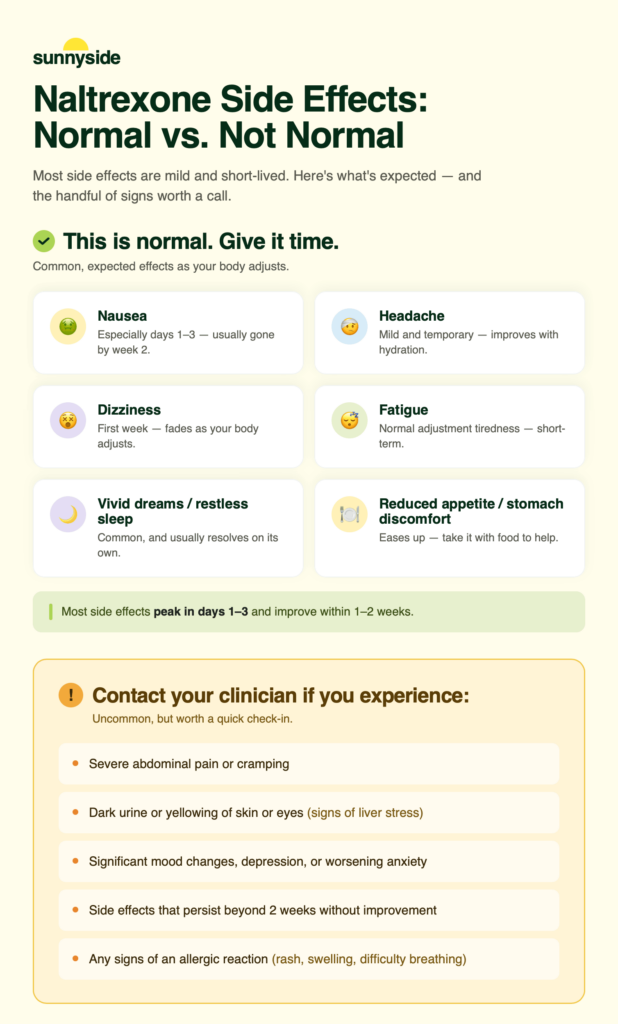
According to the current prescribing information, possible naltrexone side effects include nausea, headache, dizziness, fatigue, and sleep changes. Your clinician will also consider your liver health, medications, and broader medical history before prescribing.
Naltrexone does not cause the disulfiram-alcohol reaction. However, it also doesn’t prevent intoxication or protect against the other health and safety risks of drinking.
When you’re taking disulfiram, avoiding alcohol is essential. Even relatively small amounts of alcohol can cause a reaction, and the risk can continue for up to 14 days after you stop taking the medication.
Disulfiram has contraindications and potentially serious drug interactions. Its prescribing information lists severe myocardial disease or coronary occlusion, psychosis, hypersensitivity to certain compounds, and concurrent use of metronidazole or alcohol-containing preparations among circumstances in which the medication should not be used.
Other health conditions require additional consideration. SAMHSA recommends discussing your complete medical history with your prescriber, including liver disease, seizures, pregnancy, and upcoming surgery.
In other words, choosing between these medications involves more than deciding whether you want moderation or abstinence. A clinician still needs to determine whether the medication that fits your goals also fits your health.
Naltrexone and disulfiram work differently, but neither medication automatically changes the habits and situations surrounding alcohol.
You may still need to figure out what to do when you usually pour a drink after work, how to handle a social event, or what helps when stress makes drinking especially appealing. Behavioral support can help you work on those patterns alongside medication.
That combination is reflected in clinical guidance for both medications. Naltrexone is intended to be used as part of a broader treatment plan. And SAMHSA describes disulfiram as one component of comprehensive treatment that can include counseling and other behavioral support.
As Sunnyside co-founder and CEO Nick Allen puts it, “Sunnyside provides scaffolding around the medication to allow folks to be as successful as possible.”
If naltrexone seems more aligned with your drinking goals, Sunnyside Med provides access to medication and behavioral support in one online program.
You’ll start with a health assessment that covers your drinking patterns, goals, medications, and medical history. A licensed clinician reviews your information and determines whether naltrexone is medically appropriate. If prescribed, your compounded oral naltrexone with vitamin B6 is shipped discreetly to your door.
The program also includes drink and medication tracking, weekly planning and progress analytics, human coaching seven days a week, a private member community, educational resources, and weekly group calls. You can use these tools whether your goal is to drink less, take an extended break, or quit.
The multi-pronged approach is important. Naltrexone can change how rewarding alcohol feels, while behavioral support gives you tools for changing the routines, cues, and decisions surrounding your drinking.
One Sunnyside Med member described how medication and a new routine worked together:
“I have found myself in a nice routine lately. I work from home and at the end of my day I go out for a 45 minute walk. I use that time to visualize how I want my evening to go and what I want to do. I have replaced the evening cocktail with a NA beer and enjoy my time with my husband. Thanks to the Naltrexone the cravings have subsided significantly and the mental chatter is much quieter.”
Take a short online assessment to see if Sunnyside Med might be right for you.
Naltrexone and disulfiram are prescription medications. This article is for educational purposes and is not medical advice. A licensed clinician can help determine whether either option is appropriate for you.
Naltrexone does not cause the intentional alcohol reaction associated with disulfiram. You can still experience naltrexone side effects, and the medication does not prevent intoxication or other alcohol-related harms.
No. Disulfiram is intended to support abstinence rather than moderation. Drinking alcohol while taking it can cause a potentially serious reaction.
Neither medication is considered addictive. Naltrexone blocks opioid receptors without producing a high or physical dependence, while disulfiram works by interfering with alcohol metabolism. That doesn’t mean either medication is appropriate or risk-free for everyone.
Possibly, but switching medications should be planned with a clinician. The appropriate approach depends on factors including your drinking, medications, health history, opioid use, and treatment goals. Don’t start, stop, or switch either medication without discussing it with your prescriber.
Ian has a family deeply hurt by alcohol, and is on his own personal journey to drink less and live his healthiest life. He’s took naltrexone daily for two years and saw incredible results. As Sunnyside Med’s first customer, he’s deeply entrenched in alcohol health and naltrexone.
If you regularly find yourself drinking more than you intended, cutting back can be easier said than done....
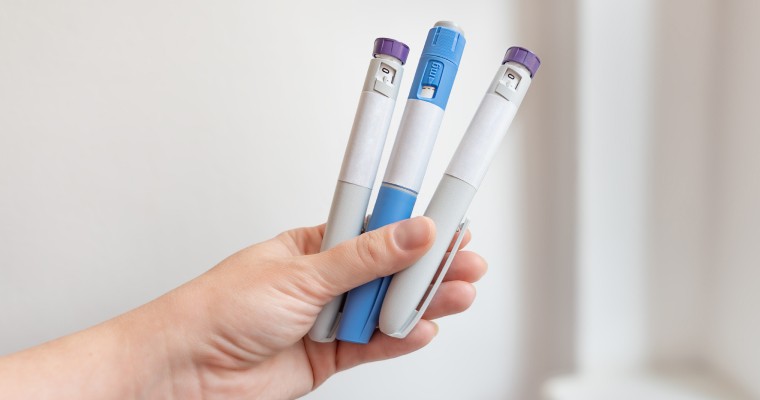
Here's what the research tells us about GLP-1 medications and alcohol, including what scientists have learned, what they're...

GLP-1 medications have attracted plenty of attention for their potential to reduce alcohol cravings. But if you're interested...
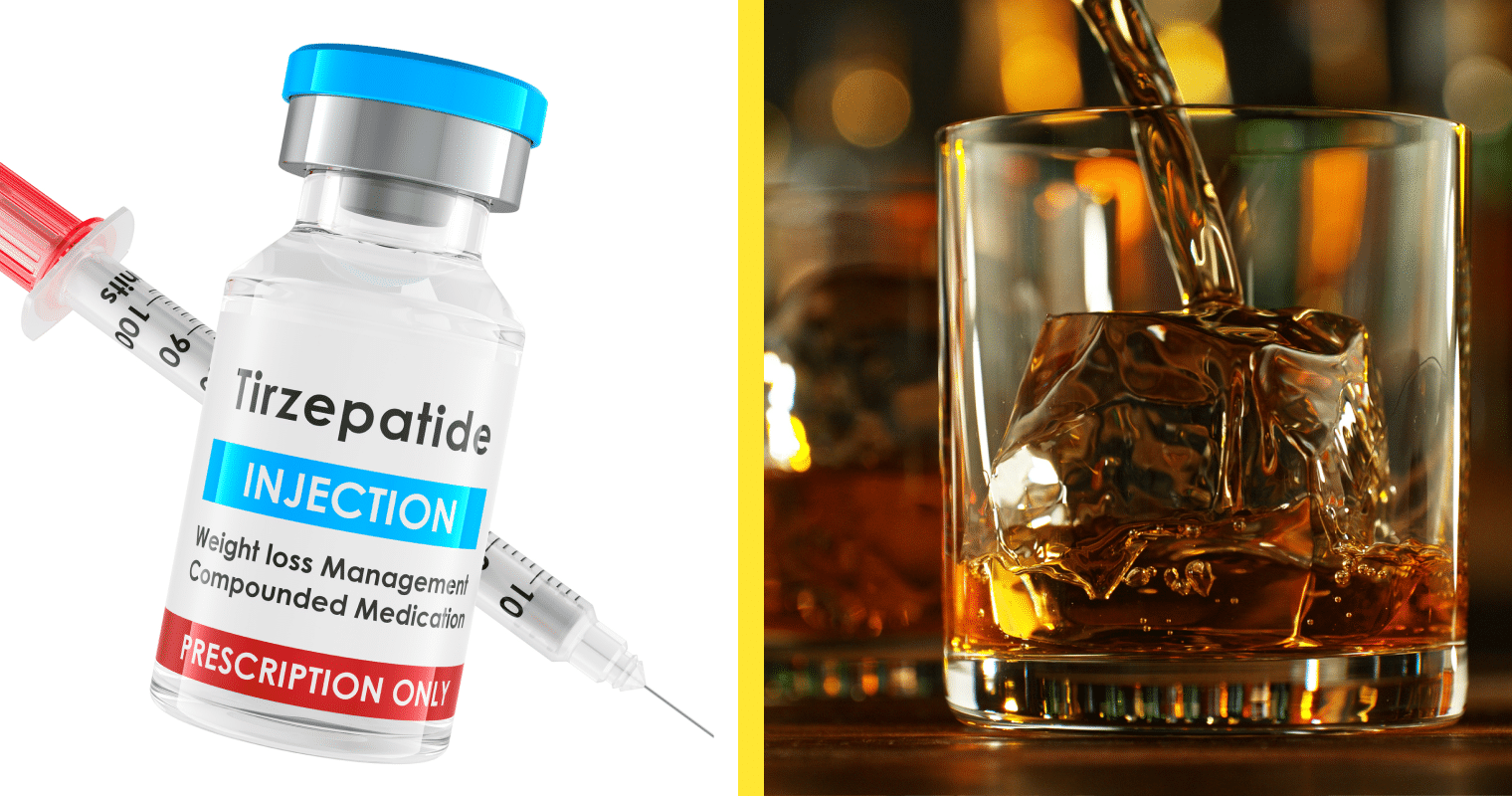
Tirzepatide is a prescription medication that activates two types of hormone receptors: glucagon-like peptide-1 (GLP-1) and glucose-dependent insulinotropic...