

30 Years of Naltrexone Research: What the Evidence Actually Shows
Naltrexone isn't a new or experimental drug. Researchers began studying its potential for alcohol use in the 1980s,...

SAN FRANCISCO, CA – October 2, 2024 – A new study published in Alcohol: Clinical & Experimental Research (ACER) shows that personalized text messaging technology can reduce alcohol consumption among moderate and heavy drinkers by 33% on average in 12 weeks. The research, representing the largest ecological study into alcohol interventions to date, highlights the potential of low-cost, evidence-based digital interventions for building healthier habits around alcohol.
The study analyzed the self-reported drinking habits of over 46,000 drinkers using Sunnyside, an alcohol moderation program designed to help bring alcohol into balance with overall health goals. Study participants reduced their weekly alcohol intake by one-third in 12 weeks, with the most significant change occurring within the first 6 weeks.
“This large-scale evaluation demonstrates the potential for technology-assisted tools to make a meaningful impact on alcohol consumption,” said Nehal P. Vadhan, lead researcher of the study. “These results suggest that flexible and accessible digital interventions like Sunnyside provide a way for people to take control of their drinking habits, particularly those who may not seek formal treatment.”
“The results are a game-changer for anyone looking to build healthier drinking habits,” said Nick Allen, co-founder and CEO of Sunnyside. “ What makes these results most exciting is the accessibility of our approach—Sunnyside is proven to help individuals make significant changes without the rigid expectations of abstinence-focused programs.”
Nearly half of participants (47.8%) cited overall health and wellness as their primary motivation for reducing alcohol intake, followed by weight loss (24.3%) and avoiding hangovers (10.9%). A majority (78.5%) reported being at least somewhat concerned about their drinking, rating concern level 3 or higher on a 0–5 scale.
Most participants were women (81%), primarily aged 46–55 (26.1%), highlighting a strong link between alcohol reduction and midlife health goals. Sunnyside is well-suited for this group, with the study showing greater effectiveness for women in this age group.
The study underscores how simple text messages can transform drinking behavior, offering a flexible and effective solution for moderation.
Alcohol, Clinical and Experimental Research (ACER) is a peer-reviewed journal featuring multidisciplinary studies on alcoholism, covering clinical, genetic, neurobiological, and behavioral aspects of alcohol use and its effects.
Founded in 2020, Sunnyside is an alcohol moderation program designed to help individuals achieve healthier drinking habits. Through a combination of drink tracking, human coaching, and community support, Sunnyside offers a non-judgmental and effective approach to reducing alcohol consumption. Sunnyside’s technology-driven program has demonstrated a 33% reduction in overall alcohol intake within the first 12 weeks. For more information, visit https://www.sunnyside.co.
Self-reported alcohol consumption during participation in a text messaging-based online drinking moderation platform
PMID: 39177720 DOI: 10.1111/acer.15414 – https://doi.org/10.1111/acer.15414
Media Contact: Taylor Hiskey, taylor@sunnyside.co
Ian has a family deeply hurt by alcohol, and is on his own personal journey to drink less and live his healthiest life. He’s took naltrexone daily for two years and saw incredible results. As Sunnyside Med’s first customer, he’s deeply entrenched in alcohol health and naltrexone.

Naltrexone isn't a new or experimental drug. Researchers began studying its potential for alcohol use in the 1980s,...
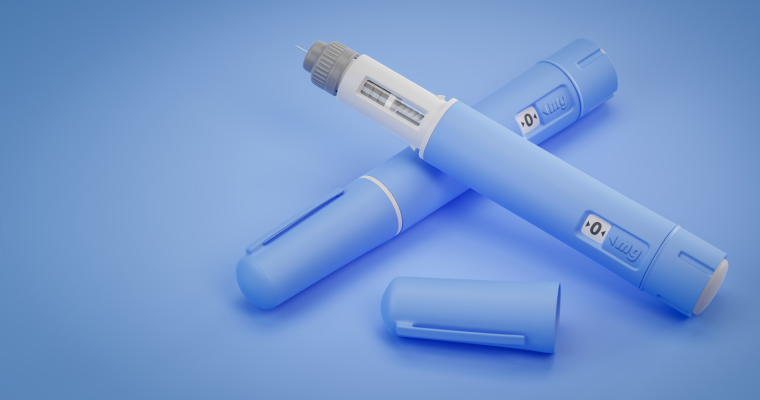
Early research suggests semaglutide may reduce alcohol cravings and some measures of drinking in people with alcohol use...

Alcohol use disorder (AUD) is often described as a chronic condition. That can sound pretty final, especially if...

AA has strong evidence behind it for helping people with alcohol use disorder achieve abstinence, but the studies...