
Last Updated on June 28, 2026
Naltrexone is likely to help change your relationship with social drinking. It’s a clinically studied medication that reduces the brain’s reward response to alcohol, making it possible for many people to attend social events and stop at one or two drinks without relying on willpower alone. For gray-area drinkers who want to stay social without overdoing it, naltrexone — paired with other mindful drinking habits — can quiet the mental pull toward the next drink so the evening stays enjoyable on your own terms.
For some people, social drinking is the hardest type of drinking to change habits around. Not the Tuesday glass of wine on the couch, not the beer after mowing the lawn, but the drinks that you say “yes” to when everyone else at the party is ordering another. Social environments almost seem designed to make you keep going.
“It might as well have been water they were bringing in,” said one Sunnyside member about their experience with social drinking.
Sound familiar? You have options if you want to make a change, and you don’t need a label or a diagnosis. If you drink more than you want to, that’s enough of a reason to look for a better way.
With naltrexone, members describe a real shift in how the aforementioned social environments make them feel. Instead of white-knuckling it through a dinner party with a glass of seltzer, they genuinely don’t want to drink more alcohol. The pull just isn’t there in the way it used to be.
Why Social Drinking Habits Are Difficult to Change
Before we talk about naltrexone and alcohol, it helps to understand why social settings make drinking harder to control in the first place.
Your brain is wired to associate certain environments with reward. Walking into a bar, hearing a cork pop, watching a friend pour a glass, raising a toast. Each of these cues fires off a signal in your brain’s reward pathways, specifically the dopamine system. The signal says, “This is going to feel good.”
These signals were built over years of repetition. Over time, repeated experiences of drinking in social settings strengthened these cue-reward associations.
Social events also come with pressure, both real and perceived. You want to fit in. You want to keep up with the group. Saying “no, thanks” when someone hands you a drink can feel more uncomfortable — like you’re making it a whole thing — than just accepting the drink. And binge drinking in social settings has become so normalized that exceeding your own limits might not even register to others as unusual.
How Naltrexone Works
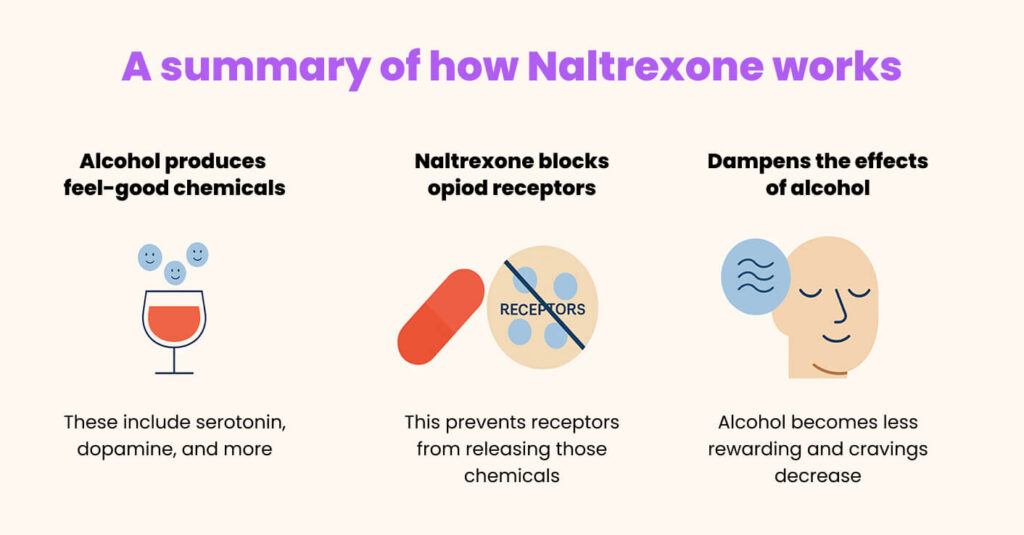
Naltrexone is a medication that’s been FDA-approved since 1994. It’s safe and non-addictive, and it works by blocking opioid receptors in the brain.
When you drink alcohol, your brain normally releases endorphins from these receptors that create a pleasurable buzz. Naltrexone sits on those receptors and dulls that reward signal. You can still drink. You still taste the wine, and it still tastes good. But the “more, more, more” feeling isn’t quite so overpowering.
Sunnyside co-founder Ian Andersen describes the effects like this: “Drinking might feel different, and that’s the point. Less exciting. Less rewarding. Sometimes just less fun. That’s the medication doing its job.”
Naltrexone is a tool, not a magic pill, but it’s a game-changer for quite a few people—including many members of the Sunnyside Med community. The side effects of naltrexone are typically mild and pass within 1-2 weeks.
(For a deeper look at the science, check out Sunnyside’s complete guide to naltrexone.)
What the Science Says About Naltrexone and Social Drinking
What makes research about naltrexone and social drinking so relevant is what researchers found when they studied the medication in social drinkers specifically.
A controlled laboratory study showed that naltrexone increased the amount of time social drinkers waited before reaching for their first drink and reduced the pleasurable buzz they experienced from alcohol (Davidson et al., 1996). Importantly, this study included heavy social drinkers rather than exclusively people with a diagnosed alcohol use disorder, suggesting the medication may influence drinking behavior even in earlier-stage or non-dependent patterns of alcohol use.
Another notable finding comes from a secondary analysis from the large-scale COMBINE study, which found that naltrexone was particularly effective for people who were regularly around other drinkers in their social lives, suggesting the medication may be especially helpful for those who face frequent social drinking pressure (Worley et al., 2015).
The COMBINE study focused on people with alcohol dependence, not specifically gray-area drinkers, so the findings should not be overgeneralized. Still, the results suggest that naltrexone may be especially useful in situations where drinking cues are frequent parts of everyday life.
Finally, a 2017 meta-analysis of human laboratory studies found that naltrexone significantly reduced both the amount of alcohol people chose to drink and their craving for alcohol, with the strongest craving reduction observed when people were exposed to alcohol-related cues (Hendershot et al.).
In other words, naltrexone appears to be most effective exactly when cue-driven craving is highest. The settings where you’re surrounded by drinks, shots, toasts, and rounds are exactly the conditions under which naltrexone may work hardest.
How Can Naltrexone Change Social Drinking?
As we’ve covered, naltrexone blocks the opioid receptors responsible for the “buzz” and craving loop, so when alcohol hits your system, the reward signal is muted. But what does that actually feel like in a real social setting?
Here are some testimonials from real Sunnyside Med members:
- “Went to dinner with family last night… live music at a bar first… I had three drinks the entire night. This naltrexone stuff is amazing.” —Sunnyside member, January 2026
- “Last year I came [to an event] and had way too much to drink, and in the morning I was so embarrassed. Last night, I had one glass of wine and woke up refreshed and ready to go on a hike with my friends.” —Sunnyside member, November 2025
- “I’ve noticed that I now get a feeling that I’ve had ‘enough’. At that point, I absolutely don’t want any more. Sometimes I can’t even finish a single glass of wine.” —Sunnyside member
Social drinking looks like this for many people who take naltrexone, and these are instances of a pattern that shows up across Sunnyside members again and again. The pull fades, cravings dissipate, and the social event becomes about the people, not the drinks. As it should be!
Naltrexone and Social Drinking Aren’t Mutually Exclusive
One of the biggest fears gray area drinkers have is that changing their drinking will change who they are socially—that the fun part of their life will go poof! along with the extra beverages.
Naltrexone removes that binary. Many people find they can still enjoy a drink, still go to the party, still raise a glass at the wedding, etc., without reverting to their old habits. The difference is that naltrexone helps quiet the part of your brain that pushes you past your own limits.
Social settings can be one of the hardest environments for changing drinking habits. Naltrexone helps you be present at those events without fighting yourself the entire time.
Also worth noting: You can undertake this whole experience as privately as you want. As Percy Menzies, Founder of ARCA Midwest and a founding member of the Naltrexone Alliance, wrote in Dr. Joe Volpicelli’s newsletter: “I can’t tell you how many high-profile clients told me they had no idea outpatient treatment was effective, confidential, and cost-effective with this little pill called naltrexone.”
Sunnyside’s Co-Founder Reflects on Social Situations With Naltrexone
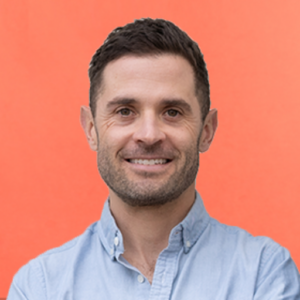
Hi there, I’m Ian, one of the Co-Founders of Sunnyside, and I’ve been taking naltrexone daily since summer of 2024. I wanted to see if it could help me with the final piece of my puzzle when it came to drinking, which was helping me stop once I started drinking. I was already not drinking on weekdays at all, and usually only drinking one day a week, but I was having trouble sticking to only 2-3 drinks.
Simply put, naltrexone has been great for me. I’m drinking less than ever, and when I start drinking, there’s way less pull to keep going. In fact, about two years in, alcohol is just feeling way less interesting than ever.
So, how are social situations for me these days? Like most people, I have a group of heavy drinking friends from college that still likes to get together once or twice a year. I still imbibe and let loose, but I do so slower than ever, and with more intention and less pull to keep drinking. I know I keep saying it, but that’s what naltrexone does in social situations. It helps you focus on your friends, and not get so distracted by how you’re going to get the next drink.
Naltrexone and social drinking aren’t mutually exclusive, like we said above. They work incredibly well together. In fact, naltrexone improves social settings by making you more present and focused on what matters.
Don’t let black-and-white, outdated thinking about alcohol keep you from trying medication for alcohol cravings. If you struggle with social drinking, take a look at medication to help. It’s proactive, healthy, and empowering.
How Sunnyside Med Can Guide You Through Your Naltrexone Journey
If social drinking is a particular challenge for you, that doesn’t mean something is wrong with you. It just means your brain has gotten very good at associating social settings with drinking. Your next task is to unwind those patterns, and naltrexone can help you do it.
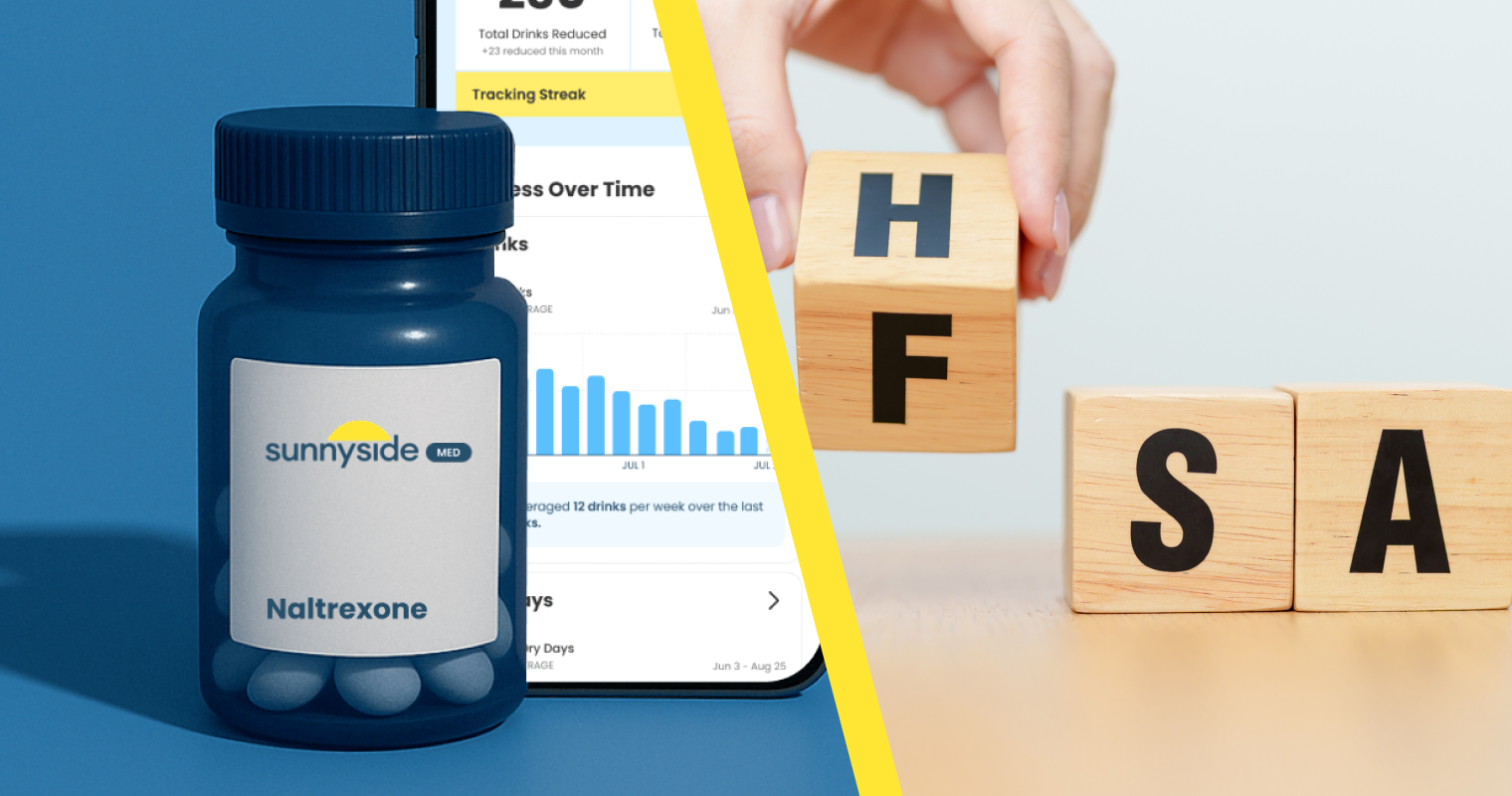
Sunnyside Med is a 100% online alcohol health program that pairs compounded naltrexone (45mg + Vitamin B6 5mg) with a behavior change app, 1:1 human coaching seven days a week, and a private community of other people working toward the same goal.
Think of Sunnyside’s resources as your personal arsenal to help you achieve your mindful drinking and healthier social drinking goals:
- Naltrexone is medication that quiets the cravings
- The Sunnyside app helps you track your drinking patterns and set goals
- Coaching helps you build strategies that make sense for you
- The Sunnyside community reminds you that thousands of other people are working through the same thing.
At Sunnyside Med, 78% of active members achieve a meaningful reduction in drinking, and members average a 45.6% reduction in daily drinks over 12 weeks. Of course, individual results vary, but Sunnyside Med is a proven program that works the more you work with it.
If naltrexone social drinking sounds like something worth exploring, take the 3-minute quiz to see if Sunnyside Med is a fit for you.
Naltrexone is a prescription medication. This content is educational and should not be taken as medical advice. A licensed clinician reviews every Sunnyside Med application.
Frequently Asked Questions
Can naltrexone help with social drinking?
Yes. Naltrexone social drinking is supported by research showing the medication can reduce the intensity of cravings, with the strongest effects observed in high-cue environments like social events. Many Sunnyside Med members report that social situations ultimately become easier because the mental pull toward the next drink is decreased.
Does naltrexone make you stop enjoying alcohol completely?
No. Naltrexone reduces the brain’s reward response to alcohol, which means the “buzz” may feel less intense. Many people find they still enjoy a drink, but the compulsive drive to keep drinking is reduced.
Can you drink at a party if you’re taking naltrexone?
Yes. Naltrexone does not prevent you from drinking alcohol. You can still have a drink at a party, a dinner, or any social event. You just might naturally drink less because the craving signal is quieter.
Can naltrexone change your relationship with alcohol long-term?
For many people, yes. Over time, naltrexone helps revise the brain’s reward associations with alcohol. Members often describe a journey during which drinking simply becomes less important to them. Combined with behavior change support and coaching through Sunnyside Med, these changes can become lasting habits.
Sunnyside is the Perfect Companion for Your Naltrexone Journey
Sunnyside is the #1 mindful drinking app. Since 2020, we’ve been honing our harm-reduction approach and have helped over 400,000 people cut out 22 million drinks from their baseline habits. 96.7% of our members report success in drinking less, and in a third-party study, our approach was demonstrated to reduce weekly drinking by 33% after 12 weeks.
Think of Sunnyside as the front door for anyone who wants to change their relationship with alcohol. If you want to drink less, we can help you get there. If you want to eventually quit, but want to take a gradual approach, we can make that happen.
When you sign up for Sunnyside, you’ll take a quick 3-minute personalization quiz, then hop into the app. It’s as simple and quick as that.
We’ll give you weekly plans to gradually reach your drinking goals, and we’ll provide nudges, coaching, exercises, and advice to help you get there.
We have daily tracking and journaling tools, including the option to chat with a real human coach at any time. And, of course, we have great analytics so you can track your progress over time.
Sunnyside is a full-featured mindful drinking app, and thus the perfect companion for your Naltrexone journey. Naltrexone will actively help you reduce cravings around alcohol, and Sunnyside will help you understand your triggers and patterns, giving you a healthy system for habit change.
Everyone who signs up for Sunnyside gets a free 15-day trial, then the subscription is $8.25/month, less than the cost of a fancy drink. Our members save an average of $50 per month, easily paying for the cost of the subscription.
Whether you’re currently taking naltrexone or just doing some research on alcohol moderation, we’d love to have you sign up for our 15-day free trial today.