Last Updated on June 25, 2026
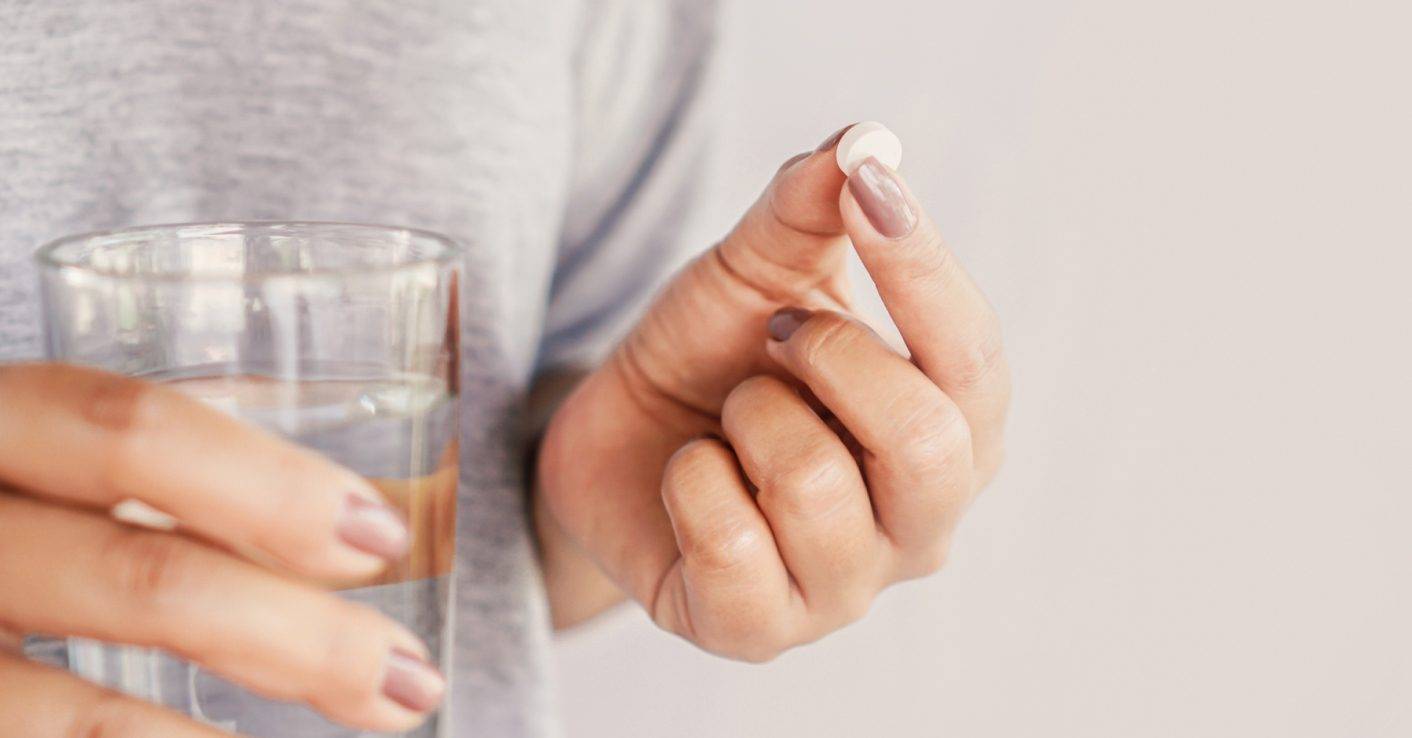
Naltrexone can sometimes cause vivid dreams or sleep disruption as a side effect in the first couple weeks, especially if you’re also reducing your drinking during this time. About 37% of people who take naltrexone experience this side effect, and the condition typically goes away within a few days to a couple weeks.
Maybe you started naltrexone just expecting changes in cravings. You didn’t expect the dreams.
Then, suddenly, you’re texting friends about bizarre dream-world storylines or wondering why sleep feels different even though you’re drinking less. Isn’t sleep supposed to be feeling better?
Well, don’t worry too much. If this is happening to you, it’s likely temporary — and it’s something Sunnyside Med can help you work through.
It is easy to assume the medication itself is causing a sleep problem. Vivid dreams are a known naltrexone side effect, especially early on. But naltrexone tends to change drinking behavior at the same time it changes the brain’s reward response to alcohol. And alcohol has usually been affecting sleep long before the medication enters the conversation.
Alcohol’s Impact on Sleep
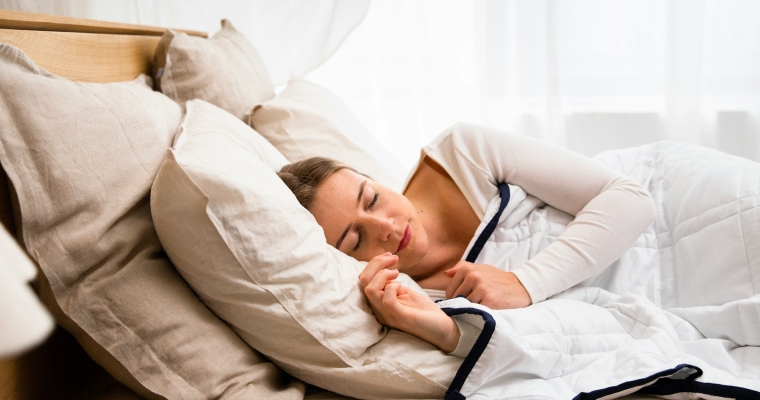
One of the confusing things about alcohol is that it can feel like it “helps” with sleep. After all, it tends to knock people out quickly. But sedation and sleep are not interchangeable. Alcohol tends to interfere with the later stages of the night, especially REM sleep, which is involved in memory processing, emotional regulation, and dream activity.
Researchers have repeatedly found that alcohol delays REM onset and disrupts REM sleep quality as intake increases. That disruption is part of why people often wake up at 3am after drinking, even if they fell asleep easily a few hours earlier.
So when someone starts naltrexone and simultaneously cuts back, drinks more slowly, or stops chasing the same buzz, sleep can start feeling really different. Sometimes people notice lighter sleep for a while. Some report unusually vivid dreams. Others wake up more often and assume something is wrong because the experience feels unfamiliar.
But unfamiliar does not automatically mean unhealthy. In fact, there is some evidence that people reducing heavy alcohol use experience REM rebound, where dream intensity and REM activity temporarily increase as the brain readjusts after prolonged suppression.
Naltrexone and Sleep: What’s Actually Happening?
Naltrexone works by blocking opioid receptors in the brain — the ones responsible for the reward signal that makes drinking feel good. When those receptors are occupied, alcohol stops delivering its usual return. Most people describe the feeling as something along the lines of: The pull just gets quieter.
Those same opioid receptors also play a role in the sleep cycle. And when you block them, two things can happen in the first one to two weeks. (Don’t worry: These symptoms are likely to disappear as quickly as they came.)
Naltrexone and Vivid Dreams
Some people experience vivid or unusual dreams early on. Not nightmares, necessarily. Just more intense and memorable ones.
An explainer from the LDN Research Trust explains the likely mechanism: naltrexone modulates dopamine and endogenous opioids, which in turn influence serotonin. Higher serotonin and dopamine levels correlate with more vivid dreaming. Because the most vivid dreams occur during REM sleep, an increase in dream intensity may actually suggest deeper, longer REM cycles. In other words, it may be a sign of neurological recalibration.
That framing is plausible rather than proven, but it reorients a good question: is this medication disrupting your sleep, or is it finally letting your brain complete it?
Still, you’re more likely to escape this side effect entirely. About 37% of people experience vivid dreams in the early weeks. For those who do, the condition typically normalizes by weeks three to four.
Week One Insomnia
The first week of naltrexone may also bring lighter sleep or more trouble falling asleep. The adjustment tends to peak around days three to seven and typically resolves by day ten to fourteen.
If you’re taking naltrexone at night and having trouble sleeping, ask your clinician about moving your dose to morning. That’s likely to make a big difference.
Naltrexone and Sleep Disruptions: They’re Mostly Temporary
When someone starts naltrexone and starts drinking less at the same time — which is the point — they may experience two overlapping sleep disruptions simultaneously:
- An opioid receptor adjustment from the medication
- REM rebound from alcohol reduction
When the brain has been suppressing REM sleep for months or years, and that suppression is suddenly removed, REM activity surges. For instance, people who reduce or stop heavy drinking can experience rebound insomnia, vivid dreams, and disrupted sleep for several nights as the brain and body readjust after alcohol-related REM suppression.
So if you started naltrexone last week and cut back on your drinking at the same time, some of what you’re experiencing at 2am may be coming from the alcohol reduction itself — not the medication — or a combination of the two. Both disruptions are temporary, and both point to a brain recalibrating after a long stretch of unhelpful chemistry.
Naltrexone and Sleep: The First 2 Months
As with many medications, weeks one and two tend to be an adjustment window. Then, weeks three and four bring stabilization.
For most people, naltrexone sleep side effects that appear in the first two weeks reduce significantly by week three or four.
At the same time, the medication begins to take real effect. The reward signal from alcohol gets quieter. One Sunnyside member described it this way: “the noise around alcohol just… stopped.”
Then, as drinking decreases over the first and second months, sleep tends to improve — not because naltrexone is a sleep medication, but because alcohol is no longer fragmenting the second half of the night. The REM sleep that was being cut short for years starts to complete itself.
Many Sunnyside members arrive at a version of the same realization: “I didn’t realize how bad my sleep was until it got better.”
You Don’t Have to Be At Rock Bottom
Naltrexone still has the reputation of a “last-resort” medication. That image is wrong, and it keeps a lot of people from a resource that could genuinely help them.
You don’t drink every day. You’re not losing jobs or relationships. You just drink more than you want to, and you’re tired of waking up at 3am. That is enough to make a change.
Nick Allen, CEO of Sunnyside, puts it this way: “This isn’t only for people at or approaching rock bottom. We’re building Sunnyside Med to provide proactive and preventive access to medication.”
28 million Americans drink at levels that affect their health. Fewer than 3% receive medication. That gap indicates, more than anything else, an issue of access — and the outdated belief that you have to be in crisis before you qualify for help.
Getting ahead of a problem before it compounds is not weakness. It’s what health-forward people do — the same way someone might start therapy when they’re experiencing burnout or adjust their diet before a potential diagnosis forces their hand.
What People Notice When the Adjustment Period Ends
“I prescribe naltrexone regularly as a safe, effective way to curb heavy drinking,” says Dr. Hrishikesh Belani, Sunnyside Med Medical Advisor. “I highly recommend pairing with a behavioral health program like Sunnyside.”
Naltrexone quiets the neurological pull toward alcohol, but the behavioral layer — the other support Sunnyside offers — is just as important. The Sunnyside app and coaching can help you build habits that feel more possible because of naltrexone. This is the recipe for actual lasting change.
Among active Sunnyside members with 50% or more app engagement, 78% achieved meaningful reduction in drinks per week, and members averaged approximately 10 fewer drinks per week. Individual results vary, but the arc is certainly consistent: less drinking, less fragmented sleep, and a less fraught relationship with alcohol over time.
If naltrexone sleep questions are what brought you here, the honest answer is: Yes, the first couple of weeks can include an adjustment. And — just as true — the weeks after that tend to look considerably different, especially with the help of Sunnyside’s structured support.
Want to know if naltrexone is right for you? A short online assessment at joinsunnysidemed.com/quiz takes just a few minutes. A licensed clinician will review your information.
This article is educational and not a substitute for medical advice. Naltrexone is a prescription medication and requires clinical review.
Sunnyside is the Perfect Companion for Your Naltrexone Journey
If you’re reading this article, you’re probably in one of two places: dealing with sleep troubles and wondering if it’s worth pushing through, or staring at a bottle of naltrexone and wondering if you should start at all.
Either way, you’re doing the hard part. You’re taking your health seriously.
Naltrexone works best when it’s paired with behavioral support. That’s not just our opinion. The COMBINE study, one of the largest naltrexone trials ever conducted, found that medication combined with a behavioral program outperformed either approach alone. That’s the model Sunnyside Med is built on: compounded naltrexone, a behavior change app, human coaching, and a care team available seven days a week.
Among active Sunnyside Med members with 50% or more app engagement, 78% achieved a meaningful reduction in drinking over 12 weeks. (Individual results vary. This is observational data from our member population, not a randomized trial.)
Sunnyside is the #1 mindful drinking app. Since 2020, we’ve helped over 600,000 people cut out 22 million drinks from their baseline habits. 96.7% of our members report success drinking less, and a third-party study demonstrated a 33% reduction in weekly drinking after 12 weeks.
When you sign up, you’ll take a quick 3-minute personalization quiz and hop into the app. You’ll get weekly plans, daily tracking and journaling tools, nudges, coaching, and the option to chat with a real human coach at any time.
Naltrexone reduces the cravings. Sunnyside helps you understand the triggers and patterns behind them. Together, they give you a system that actually sticks. And if you eventually stop taking naltrexone, Sunnyside is a tool you can keep using to maintain your progress.