
How Long Does Naltrexone Stay in Your System?
How long naltrexone stays in your system depends partly on which form of naltrexone you're taking. Oral naltrexone,...

Medication-assisted treatment for alcohol combines prescription medication with clinical care and behavioral support to help people reduce or stop drinking. Three medications are FDA-approved for alcohol use disorder: naltrexone, acamprosate, and disulfiram. Treatment can take place through outpatient care or telehealth, and complete abstinence isn’t always required.
Maybe you’ve tried setting a two-drink limit, taking weekdays off, or cutting back on how often you drink. You know what you want to change, but cravings can make it difficult to stick to your plans.
Medication-assisted treatment offers another option. Certain medications can reduce cravings or change how rewarding alcohol feels, making it easier for some people to change their drinking habits.
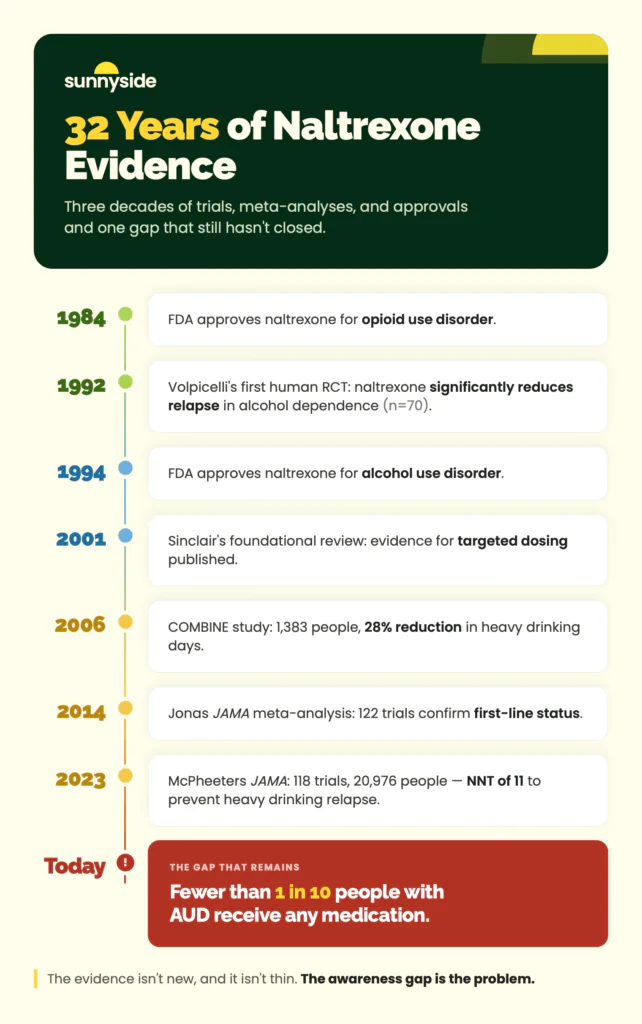
Despite the evidence supporting these treatments, relatively few people receive them. A 2021 national analysis found that only 1.6% of U.S. adults with past-year alcohol use disorder reported receiving medication treatment.
Medication-assisted treatment (MAT) for alcohol combines prescription medication with clinical monitoring and behavioral support. Healthcare professionals also use the term medications for alcohol use disorder, or MAUD.
Medications such as naltrexone can reduce cravings, while counseling or coaching can help people manage situations that lead to drinking. Treatment may also include drink tracking, peer support, or regular appointments with a healthcare professional.
Many people receive alcohol medication through primary care, outpatient programs, or telehealth. A clinician can recommend the appropriate setting based on your drinking patterns, medical history, and treatment needs.
Yes. Some medications can support a goal of drinking less, while others are primarily intended to help people maintain abstinence.
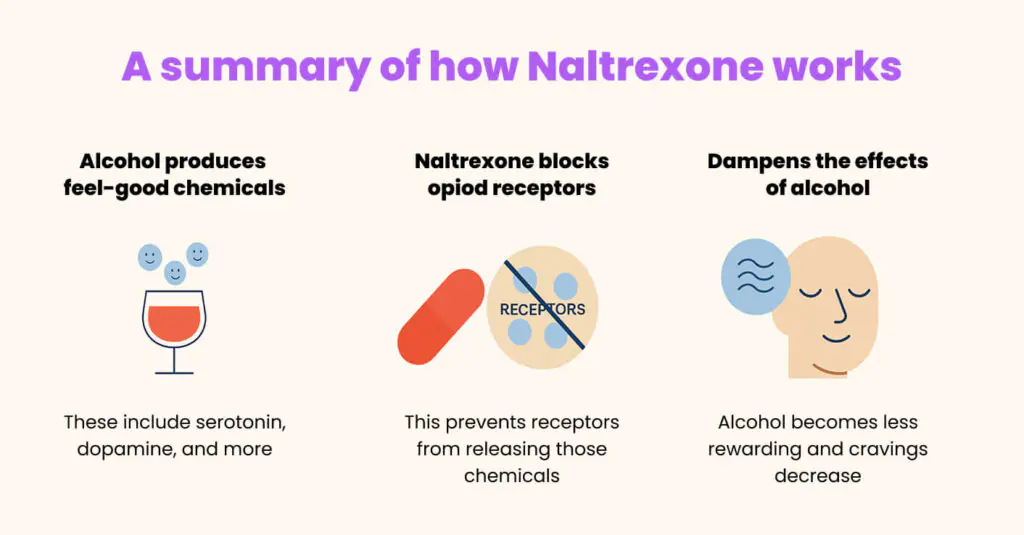
Naltrexone is often particularly relevant for people who want to reduce their alcohol consumption. It can decrease cravings and alcohol’s rewarding effects, making it easier for some people to stick to their planned limits.
Unlike disulfiram, naltrexone doesn’t cause an unpleasant physical reaction when someone drinks alcohol. It can often be started while a person is still drinking, provided a clinician determines it’s appropriate.
Acamprosate is generally used after someone has stopped drinking to help maintain abstinence. Disulfiram is intended for people pursuing abstinence because drinking while taking it can cause a potentially dangerous reaction.
Certain medical conditions, pregnancy, previous withdrawal complications, or difficulty controlling alcohol consumption may make abstinence the safer recommendation. A clinician can help determine which goal is medically appropriate.
Reducing drinking can still be a meaningful treatment goal. A 2024 secondary analysis found that reductions in World Health Organization drinking-risk levels were associated with lower alcohol cravings among participants in an AUD treatment trial, even when abstainers were excluded.
The findings suggest that reducing alcohol consumption can be associated with improvements even without complete abstinence, although they don’t establish that cutting back causes those improvements.
The FDA has approved three medications to treat AUD in the United States: naltrexone, acamprosate, and disulfiram.
| Medication | How it works | Typical treatment goal |
| Naltrexone | Blocks opioid receptors involved in alcohol’s rewarding effects | Drinking less or maintaining abstinence |
| Acamprosate | Helps regulate brain signaling affected by long-term alcohol exposure | Maintaining abstinence |
| Disulfiram | Causes an unpleasant and potentially dangerous reaction if alcohol is consumed | Maintaining abstinence |
Naltrexone blocks opioid receptors involved in alcohol’s rewarding effects. For some people, this can reduce cravings and make it easier to stop drinking after a planned amount.
It’s available in oral and extended-release injectable forms. Oral naltrexone can often be started without requiring a period of alcohol abstinence first, although a clinician must assess the person’s medical circumstances.
Naltrexone isn’t appropriate for people currently using opioids, including certain prescription pain medications. Other factors to consider when taking naltrexone include liver health, medication interactions, and the risk of alcohol withdrawal.
Naltrexone doesn’t prevent intoxication, make heavy drinking safe, or treat acute alcohol withdrawal.
Acamprosate helps people maintain abstinence after they’ve stopped drinking.
It affects brain signaling systems involved in the adaptations associated with long-term alcohol exposure. It’s generally started after abstinence has begun, rather than prescribed to support moderation.
Kidney function is an important consideration, and its multiple-times-daily dosing schedule may be less convenient for some people. These differences in treatment goals and administration are important when comparing naltrexone and acamprosate.
Disulfiram, sometimes known by the brand name Antabuse, interferes with alcohol metabolism, causing acetaldehyde to accumulate if someone drinks.
The resulting reaction can include flushing, nausea, vomiting, rapid heartbeat, and dangerously low blood pressure.
Disulfiram is intended for people committed to abstinence who understand the consequences of drinking while taking it. Alcohol-containing products, including certain medications and personal-care products, can also cause reactions, so patients need clear instructions about what to avoid.
Clinicians sometimes prescribe medications such as topiramate or gabapentin for AUD.
These medications aren’t FDA-approved specifically for alcohol use disorder, but research suggests they may help certain patients. Their benefits, side effects, and interactions require individualized clinical assessment.
A 2023 systematic review and meta-analysis published in JAMA evaluated 118 clinical trials involving 20,976 participants.
The researchers found that oral naltrexone and acamprosate had the strongest evidence among the medications studied for improving alcohol-consumption outcomes.
Naltrexone showed evidence of reducing the likelihood of returning to heavy drinking, while acamprosate was particularly effective for maintaining abstinence.
Individual responses vary, and some people need to try more than one treatment approach. Medication adherence, medical history, drinking goals, and behavioral support can all influence outcomes.
The findings support medication as an evidence-based treatment for AUD, including for people who have struggled to change their drinking through behavioral strategies alone.
Clinicians consider drinking patterns, medical history, and treatment goals when recommending medication. They typically review:
Medical history and treatment goals can influence which medication is appropriate. Some people also need medically supervised withdrawal management before beginning ongoing treatment.
Naltrexone can often be started while someone is still drinking. Acamprosate is generally started after alcohol use has stopped, while disulfiram requires abstaining from alcohol before starting treatment and avoiding it throughout treatment.
However, none of these three medications treat acute alcohol withdrawal.
If you’ve been drinking heavily or regularly for an extended period, suddenly stopping can cause dangerous withdrawal symptoms, including seizures and delirium.
People who may be physically dependent on alcohol should speak with a healthcare professional before abruptly reducing or stopping drinking. NIAAA guidance explains why medical assessment is important when withdrawal is a concern.
Some people need medical supervision to stop drinking safely before beginning medication intended to support longer-term recovery.
Even when medication reduces cravings, familiar drinking habits can persist. You might still reach for a drink after work, order alcohol when everyone else does, or struggle to stick to a limit during a stressful week. Behavioral support can help you recognize and change those patterns.
Tracking your drinking, for example, can reveal when you’re most likely to drink more than intended. Planning ahead can help you manage situations that tend to lead to heavy drinking. Counseling, coaching, or peer support can help you adjust your approach when something isn’t working.
Behavioral support can range from occasional clinical check-ins to structured counseling, depending on your needs.
Treatment generally begins with an assessment of your drinking habits, health history, medications, and goals.
A clinician then determines whether medication is appropriate and which option best fits your needs. Depending on the medication, you may need laboratory testing or additional medical evaluation.
Once treatment begins, follow-up appointments help assess side effects, adherence, cravings, and changes in drinking.
Your behavioral plan may involve tracking drinks, identifying situations that trigger cravings, or setting specific drinking goals.
Clinicians may track heavy-drinking days, alcohol consumption, cravings, or days without drinking to assess progress. Medication adjustments, additional counseling, or changes to the treatment plan may be appropriate over time.
Sunnyside Med is a 100% online program combining clinical care, prescription medication, and behavioral tools to help eligible adults reduce or stop drinking.
After completing an online assessment, you’ll meet with a licensed clinician who will determine whether treatment is appropriate. Eligible members may receive compounded naltrexone with vitamin B6.
Naltrexone can help reduce alcohol cravings and the rewarding effects of drinking. It doesn’t treat withdrawal or make alcohol consumption risk-free, and it’s absolutely not appropriate for people currently using opioids.
The program also includes drink tracking, personalized planning, unlimited one-on-one clinical care, human coaching, and a private community. Members can use these resources to identify drinking patterns and develop strategies for changing them.
Among active Sunnyside Med members, 78% achieved a meaningful reduction in drinking. Individual results vary.
Complete a brief online assessment to find out whether Sunnyside Med may be appropriate for you.
Naltrexone is a prescription medication. This article is for educational purposes only and should not be considered medical advice. Every Sunnyside Med prescription is based on an evaluation by a licensed clinician.
No. Medication may be appropriate for people with different levels of alcohol-related problems, depending on their medical circumstances. You don't have to wait until drinking causes severe consequences to ask a clinician about treatment options.
No. Alcohol medication can be prescribed through outpatient care, primary care, or telehealth. Some people need residential treatment or medical supervision, but many receive care without staying at a facility.
Naltrexone, acamprosate, and disulfiram aren't considered addictive. However, they have different contraindications, side effects, and monitoring requirements.
There's no single treatment duration that works for everyone. Some people take medication for several months, while others benefit from longer treatment. Your clinician can help determine when to continue, adjust, or discontinue medication.
Many health insurance plans cover medications for alcohol use disorder, although coverage depends on the plan, medication, and prescribing provider. Some plans may require prior authorization or have different coverage rules for oral and injectable medications.
Medication can provide benefits independently, but behavioral support can help address the habits and circumstances that contribute to drinking. Support may include counseling, coaching, tracking, or clinician follow-up, depending on individual needs.
Ian has a family deeply hurt by alcohol, and is on his own personal journey to drink less and live his healthiest life. He’s took naltrexone daily for two years and saw incredible results. As Sunnyside Med’s first customer, he’s deeply entrenched in alcohol health and naltrexone.
How long naltrexone stays in your system depends partly on which form of naltrexone you're taking. Oral naltrexone,...

Research on naltrexone use during pregnancy is limited, particularly among people taking it for alcohol use disorder. What...
Although naltrexone eventually became an established treatment for alcohol use disorder (AUD), getting it into routine clinical practice...

Naltrexone and Antabuse differ in how they work, what taking them is like, their safety considerations, and the...