Medication-Assisted Treatment for Alcohol: How It Works and Who It Helps
Certain medications can reduce cravings or change how rewarding alcohol feels, making it easier for some people to...

There’s nothing that officially says you can’t combine a GLP-1 and alcohol, in other words, drinking while taking a medicine like Ozempic.
But there are still plenty of nuances to consider.
A lot of people don’t notice anything the first time they drink on a GLP-1. Or they do, but it’s easy to write off. Maybe the drink feels a stronger. Maybe it doesn’t taste as good. Maybe you just don’t finish it and don’t think much about why.
Then it happens again, and you start to wonder if something actually changed. That’s usually how this shows up. Not as a clear “this is a bad idea,” just as a bunch of small moments that don’t quite line up with what you expect.
GLP-1 medications like semaglutide and tirzepatide slow digestion. That part is straightforward. Food hangs out in the stomach longer, appetite drops, and meals get smaller without a lot of effort.
Alcohol doesn’t really adjust to that new setup. It still does what it always does—affects your nervous system, shifts blood sugar, irritates your stomach a bit. But now it’s happening in a body that’s already operating differently.
So instead of one obvious interaction, you get a bunch of subtle ones layered together.
Sometimes that means a drink hits harder than expected. Sometimes it’s the opposite—you feel fine, assume you’re fine, and then it catches up later in a way that feels disproportionate. Timing gets weird. That’s probably the simplest way to put it.
Some people taking Ozempic report that alcohol just affects them more. Drinks feel stronger. There isn’t a single clean answer as to why, which is part of why people get thrown by it.
Weight loss is one piece. If your body size has changed, alcohol distributes differently. Same drink, different result. It’s basic physiology, but it doesn’t always register in the moment.
Eating less is another. A lot of people on GLP-1 meds just aren’t eating the way they used to, which means less in the stomach when alcohol arrives. That alone can change how it feels to drink.
Then there’s digestion speed—or lack of it. Slower gastric emptying means alcohol doesn’t move through your system on the same timeline. You can misread your own level pretty easily because of that.
And nausea tends to sit in the background of all of this. It’s one of the more common Ozempic side effects, and alcohol doesn’t exactly play nicely with it. If you’re newly taking a GLP-1, what used to feel neutral to consume might now feel slightly off, or not worth it.
Both GLP-1 medications and alcohol can lower blood sugar. Not always in the same way, and not always at the same time, but enough that the overlap matters. Alcohol can suppress glucose production in the liver. GLP-1 drugs are already nudging blood sugar down. So you can end up lower than you expect.
The tricky part is that it doesn’t always feel dramatic. It can feel like being a little tired, a little shaky, maybe slightly foggy. Which…also describes mild intoxication pretty well, so it can be easy to miss or misinterpret.
If you’re managing Type 2 Diabetes or taking other medications that affect blood sugar, this is especially worth keeping in mind.
Sometimes the issue isn’t that alcohol hits harder. It’s that you don’t really want it in the first place.
This is the part that shows up in a lot of personal accounts. People go out, order a drink out of habit, and then…don’t care about finishing it. Or don’t order a second. Or realize later they didn’t think about drinking at all. It’s not like their willpower has changed. That’s what makes it weird.
But there’s a likely biological explanation. GLP-1 receptors show up in areas of the brain tied to reward. When they’re activated, dopamine signaling seems to shift a bit.
There’s research behind this, mostly starting with animal work. One study, for example, showed reduced alcohol-seeking in rodents when these pathways were activated.
Human data is still catching up, but it’s not nonexistent. In one study, researchers saw lower rates of alcohol-related hospitalizations during periods when people were on GLP-1 medications compared to when they weren’t.
That doesn’t prove cause and effect. But it lines up with what people keep describing.
There isn’t really a single rulebook here, which is part of the frustration. A few things tend to help, though.
Eating before drinking makes more of a difference than it used to. Even a small amount of food changes how things land.
Starting with less is usually the better move. What used to feel like a baseline might not be anymore, and it’s easier to adjust upward than to undo it.
Spacing drinks out helps, mostly because the timing is less predictable. It gives you a better read on what’s actually happening.
And then just…paying attention in a slightly different way. If something feels off—more tired than expected, a little shaky, not quite right—it’s worth noticing instead of pushing through. Tracking your drinks with a tool like Sunnyside can also be helpful here—you’ll be able to keep an eye out for patterns regarding how you feel and when.
Nausea is usually a pretty clear signal. It tends not to get better with another drink.
Yes. But it’s probably not going to feel exactly the way it used to, and that’s where most of the confusion comes from.
It’s not one big effect. It’s a handful of smaller ones—digestion, blood sugar, reward—all shifting at the same time.
Once that baseline changes, the old expectations don’t always hold up.
Sunnyside is a holistic program to help you build a healthier relationship with alcohol, using a proven, science-backed method. Whether you want to become a more mindful drinker, drink less, or eventually quit drinking, Sunnyside can help you reach your goals. We take a positive, friendly approach to habit change, so you never feel judged or pressured to quit.
When you join Sunnyside, you’ll start by completing a 3-minute private assessment so we can learn a bit about you. Once that’s done, you’ll get a 15-day free trial to test out everything, including our daily habit change tools, tracking and analytics, community and coaching, and education and resources. It’s a full package designed specifically to adapt to your goals and help you reach them gradually, so you can make a huge impact on your health and well-being.
In addition, Sunnyside Med now offers access to compounded naltrexone, a prescription medication that can reduce cravings and binge drinking, giving you the peace of mind to make long-term change.
Get your 15-day free trial of Sunnyside today, and start living your healthiest life.
Leggio L, Falk DE. (2022). GLP-1 receptor agonists are promising but unproven treatments for alcohol and substance use disorders, Nature Medicine.
Klein H, et al. (2024). Repurposing Semaglutide and Liraglutide for Alcohol Use Disorder. JAMA Psychiatry.
Egecioglu E, Engel JA, Jerlhag E. (2013). The glucagon-like peptide-1 analogue Exendin-4 attenuates alcohol-mediated behaviors in rodents. Psychoneuroendocrinology, 38(8), 1259–1270. https://doi.org/10.1016/j.psyneuen.2012.11.009
Ian has a family deeply hurt by alcohol, and is on his own personal journey to drink less and live his healthiest life. He’s took naltrexone daily for two years and saw incredible results. As Sunnyside Med’s first customer, he’s deeply entrenched in alcohol health and naltrexone.
Certain medications can reduce cravings or change how rewarding alcohol feels, making it easier for some people to...
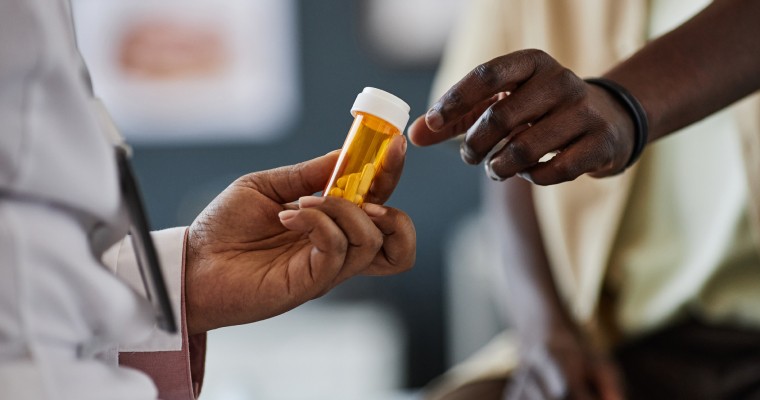
How long naltrexone stays in your system depends partly on which form of naltrexone you're taking. Oral naltrexone,...

Research on naltrexone use during pregnancy is limited, particularly among people taking it for alcohol use disorder. What...
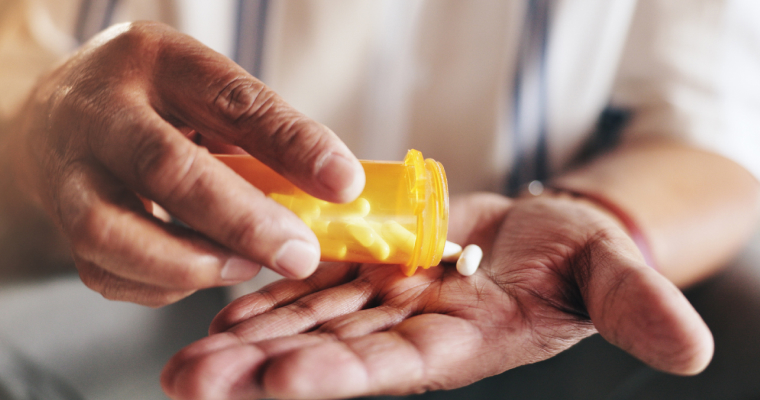
Although naltrexone eventually became an established treatment for alcohol use disorder (AUD), getting it into routine clinical practice...