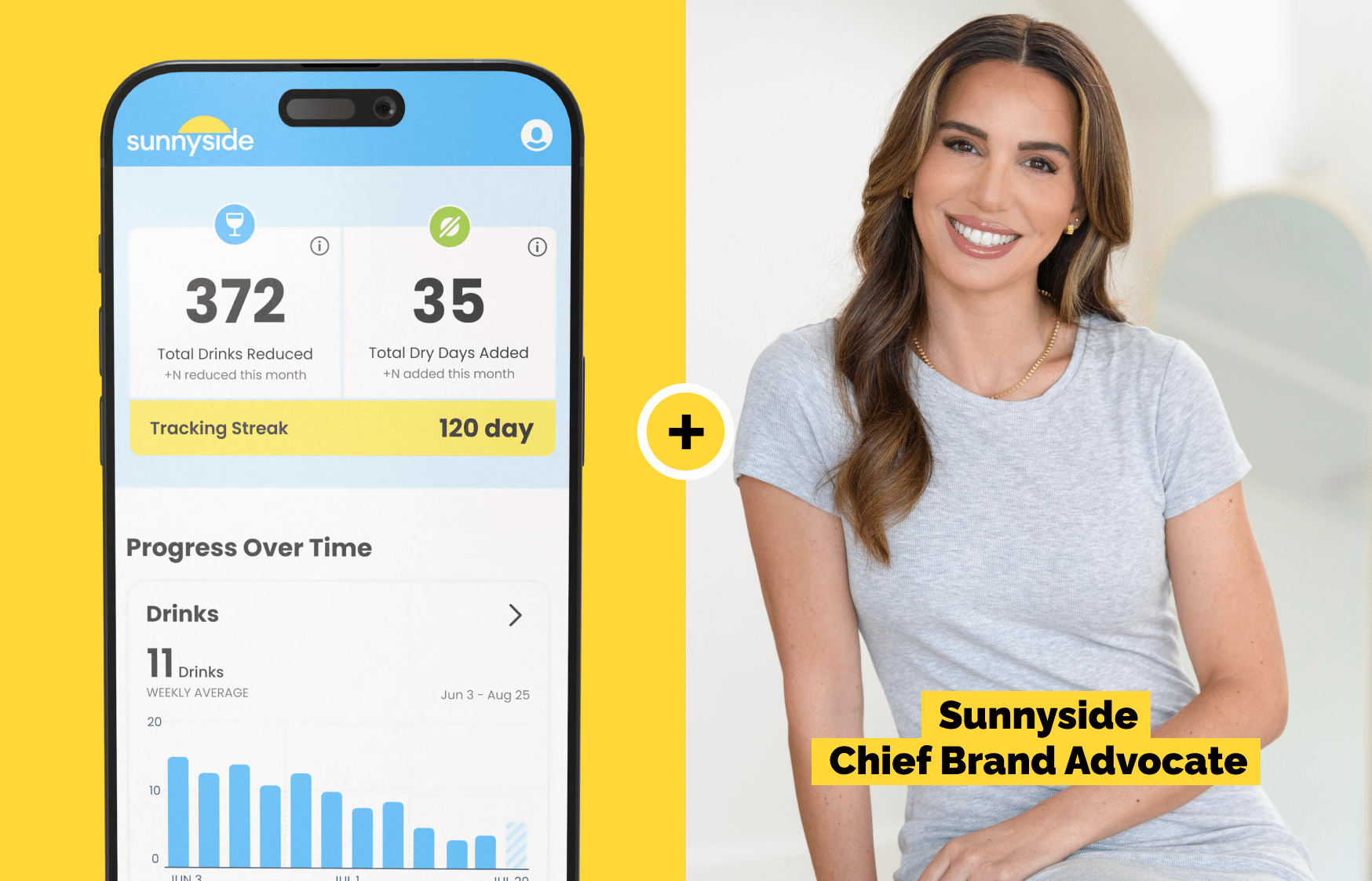
A Personal Welcome to Christy Carlson Romano
Christy Carlson Romano first reached out to Sunnyside a couple of years ago. She’d been hearing about us...

Most alcohol-related workplace issues aren’t because of heavy drinkers. As it turns out, any sort of drinking can affect work performance.
For example, most of us don’t think about how just one drink can reduce our ability to make decisions, concentrate, or react quickly. We also don’t always keep track of how many we’ve had or how long it stays in our system. And depending on the type of work we’re doing, a drink or two can dramatically affect how well we work.
Plus, don’t forget about how weekend binge drinking or after-work drinks can lead to next-day hangovers and sleep deprivation, further affecting work performance.
That’s why it’s so important to think about the type of culture you want to create in your workplace. Do people feel pressured to go out for after-work drinks to feel a part of the team? Is everyone so stressed that they feel they need a drink to wind down?
Because in the end, the amount of alcohol people drink, whether at work or at home, can affect the workplace.
So read on to learn the strategies you can implement to create a long-lasting healthy work environment that boosts everyone’s well-being.
Drinking after work to wind down, whether alone or with colleagues, is common — especially if you had a hard day. We don’t always have the recommended one a day, or a maximum of two for men, either.
For example, about 1 in 4 adults binge drank within the last month. That’s at least 4 drinks for women and 5 for men on one occasion. And if you’re just trying to wind down after a stressful day at work or you’re out with colleagues for drinks, that’s easy to do.
While it might seem harmless, regular drinking can affect the workplace and create issues such as:
Even weekend drinking can lead to sleep deprivation and an extra hard Monday morning. Then, there are hangovers, which can happen from just one or two drinks. They can easily lead to exhaustion, stomach issues, headaches, and even anxiety and depression. Naturally, that’s going to affect work performance and how employees interact with customers and each other.
Mindful drinking isn’t about forcing harsh restrictions on how much you drink. Instead, it increases awareness in every area of your life and helps you understand yourself and your habits better.
By promoting mindful drinking at the workplace, you can encourage yourself and others to become more aware of emotions, reactions, and responses. This can naturally help people become more in tune with their needs and develop healthier coping tools.
After all, we all know how hard managing a work-life balance can be, along with the stress of work itself. But by becoming more mindful, we can better decide how to respond to that stress. That can lead to less drinking, along with:
There are some simple first steps you can take toward encouraging mindful living at the workplace, such as:
The first step to encouraging mindful drinking in the workplace is to spread awareness and information on the topic. People need to feel comfortable talking about it openly, and that can start with workshops or training sessions (but fun ones).
Think about inviting guest speakers or experts with interesting stories who can create a safe space for open communication. You could also focus on the health effects of alcohol through workshops by bringing doctors in to speak, along with offering free health examinations and blood analysis.
Sharing resources for interested employees to dive in deeper, such as through the Sunnyside app and blog, also allows people to learn privately, wherever they feel most comfortable.
The way people talk about alcohol matters. If there’s any shame surrounding drinking (or not drinking), people probably won’t want to talk openly about their relationship with alcohol at the workplace.
Try encouraging open conversations, allowing people to share stories, without judgment. Consider implementing flexible policies around alcohol consumption and encourage mental health support through therapy, support groups, mindful apps, and workshops.
If employees typically grab drinks together or office parties are the norm, think about ways you can promote non-alcoholic drinks. That could mean stocking the office pantry with more options, like sparkling water, or alcohol-free mocktails and beers.
For social events, add fun alternatives that get people excited. You can also think about hiring a catering service or bartender who can make delicious mocktails. And of course, plenty of yummy food and infused water to keep everyone well-fed and hydrated.
Whether you’re part of management or just trying to encourage mindful drinking in the workplace, leading by example might help get people’s attention. You can also encourage leaders to demonstrate mindful habits and make suggestions to improve workplace drinking.
Sharing success stories of employees and rewarding their efforts can also go a long way to boosting morale.
A healthy workplace challenge can bring people together and improve overall well-being and productivity. Try asking your employees what the biggest issues they’re facing are and together, you can create a health challenge.
This could be a multi-faceted approach that includes the employer offering to provide:
Finally, let employees have a say on rewards and what would keep them motivated. Then, the manager could decide on what’s reasonable (maybe extra vacation time?) and initiate the challenge.
Sunnyside helps employees stay aware of their emotions and behaviors while at work and at home. With 24/7 access from their phones, employees can get:
So feel free to send out a work memo, email, or newsletter, with the first step toward a mindful drinking workplace — encouraging people to take the 3-minute quiz.
Ian has a family deeply hurt by alcohol, and is on his own personal journey to drink less and live his healthiest life. He’s took naltrexone daily for two years and saw incredible results. As Sunnyside Med’s first customer, he’s deeply entrenched in alcohol health and naltrexone.
Christy Carlson Romano first reached out to Sunnyside a couple of years ago. She’d been hearing about us...
Ten years into her sobriety, the actress and author becomes Chief Brand Advocate for the alcohol health company...

You might have heard someone describe themselves as “California sober” and wondered what, exactly, they're sober from. Usually,...

Gen Z is drinking less than previous generations did at the same age, but that doesn't mean young...