
Last Updated on February 18, 2026
Dry January gets talked about like a reset. A clean slate. A chance to undo whatever happened before.
But that framing quietly adds pressure. And pressure is usually what makes January feel harder than it needs to be.
If you’re thinking about Dry January — or if you’re already in it — it helps to know this upfront: nothing needs fixing. You don’t need to erase anything from last year. You don’t need to make your last drink mean something.
Dry January tends to work best when it starts in a place of kindness instead of correction. You’re allowed to start from exactly where you are.
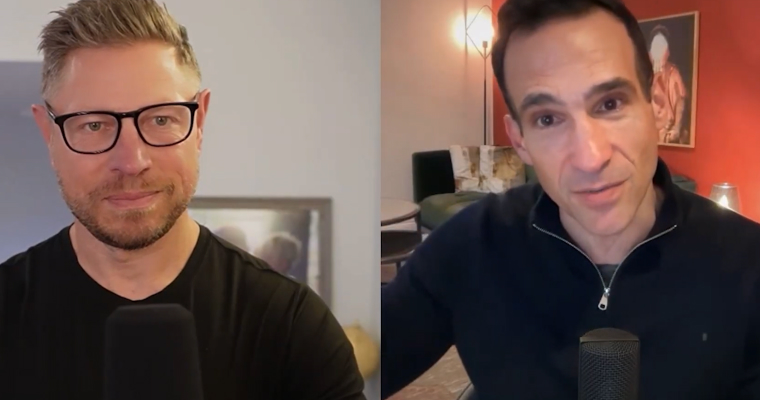
Watch The Related Podcast
January Doesn’t Have to Be a “Recovery Period”
There’s an unspoken idea that Dry January is about paying a debt. Making up for December. Being stricter, cleaner, and more disciplined.
But for many people, January works better when it feels forward-looking instead of punitive. Think about it: Better mornings. More even energy. Fewer emotional swings. Being back on your own side.
When that’s the anchor, choices tend to line up more naturally. And it leaves room for something most people underestimate: grace. Dry January doesn’t need to be flawless to be useful.
The First Part Is Usually the Hardest
One thing that surprises people: the early stretch often feels like the biggest shift.
Evenings can feel unfamiliar. Your routines might feel slightly off. You may notice restlessness, boredom, or that sense of “now what?” once the day winds down.
That’s not a sign you’re doing it wrong. It’s just a change.
For most people, things settle as the month goes on. Sleep improves. Energy smooths out. Decision-making gets easier because you’re no longer renegotiating the same choice every night.
Early discomfort doesn’t mean something is broken. It usually means your system is recalibrating.
You’re Not Actually Removing 30 Drinking Days
Here’s a reframing that can really lower the stakes. Unless you were drinking every single day before Dry January, you’re not suddenly taking away 30 drinking days. You’re just drinking less often than you normally would. That’s it!
Thinking of it that way turns Dry January from a monumental challenge into a shift in frequency. Fewer drinking days. More non-drinking days. Still your life.
That mental shift alone can make the month feel more manageable.
One Night Off Doesn’t Undo Anything
This part matters enough to say ultra clearly.
Research on habit change consistently shows that a single deviation doesn’t derail long-term progress. What matters is the pattern you return to.
If a Dry January goes off the rails, it’s not because of one night, but because of the story people tell themselves afterward: I ruined it. I failed. Might as well stop. That story isn’t mandatory.
You can notice what happened, keep the structure you’ve built, and continue. Momentum survives when you don’t turn one moment into the entire narrative.
Tools That Actually Help Dry January Stick
Not every tool works for every person. The goal isn’t to do all of this — it’s to find what genuinely supports you.
Flexible structure beats rigid rules
Plans that allow some flexibility tend to last longer than all-or-nothing rules.
Whether your goal is fully dry, dry weeknights, or simply cutting back, having structure matters. Tracking, planning, and feeling supported help Dry January feel intentional instead of isolating.
Cravings aren’t a moral failure
Sometimes Dry January feels hard, not because of habits, but because cravings are louder than your intentions.
If your pattern tends to be “I planned one, but it turned into more,” extra support can make a real difference. The point isn’t labeling the problem — it’s matching the tool to what’s actually happening.
Physical support makes behavior change easier
Sleep, nervous system regulation, and recovery matter more than people think.
When your body feels supported, evenings tend to feel calmer and mornings feel lighter. And when you feel better physically, better decisions usually follow without as much effort.
Urge surfing (simple, free, effective)
Most urges rise and fall within about 20 minutes.
Instead of fighting them or giving in, try observing. Notice where the urge shows up in your body. Slow your breathing. Let it crest and pass.
Some people visualize it as a wave. Others just change their environment — a walk, a phone call, a quick task. You don’t have to make the urge disappear. You just have to not act on it.
The right kind of inspiration
Heavy, high-pressure motivation tends to backfire.
What helps more is grounded, human inspiration that reminds you this doesn’t have to be perfect or joyless. A little levity goes a long way in January.
A Grounding Reminder for the Whole Month
Dry January brings up a mix of emotions. Excitement. Pressure. Uncertainty. Sometimes all of it at once. You’re allowed to start from here. You don’t need to do this perfectly. You just need to support yourself today.
Dry January doesn’t have to be something you push through. It can be a way of learning what actually helps you feel steadier, and what you want to carry forward long after the month ends. That’s usually where the real change starts.
And over time, those small pauses add up to something that feels steadier, calmer, and more intentional.
Get started on your mindful drinking journey with a 15-day free trial of Sunnyside.
What is Sunnyside?
Sunnyside is a mindful drinking and alcohol moderation app that can help change your habits around alcohol using a proven, science-backed method. Whether you want to become a more mindful drinker, drink less, or eventually quit drinking, Sunnyside can help you reach your goals. We take a positive, friendly approach to habit change, so you never feel judged or pressured to quit.
When you join Sunnyside, you’ll start by completing a 3-minute private assessment so we can learn a bit about you. Once that’s done, you’ll get a 15-day free trial to test out everything, including our daily habit change tools, tracking and analytics, community and coaching, and education and resources. It’s a full package designed specifically to adapt to your goals and help you reach them gradually, so you can make a huge impact on your health and well-being.
Sunnyside is a digital habit and behavior-change program that is incredibly effective on its own, but can also be the perfect complement to other work you’re doing to cut down on drinking, whether that includes talk therapy or medication such as Naltrexone.
Get your 15-day free trial of Sunnyside today, and start living your healthiest life.