Last Updated on March 18, 2026
It usually doesn’t start at night. It starts earlier — mid-afternoon, when nothing dramatic is happening. You’re answering emails. Wrapping up work. Maybe heading into the school pickup shuffle. And then the thought slides in, casual as anything: I might have a drink later.
No decision has been made, and no glass has been poured. But something in your brain has already shifted.
Most people assume the pull toward drinking is about the alcohol itself. But for a lot of people, the strongest part of the urge shows up long before the drink is even real.
Watch The Related Podcast
What You’re Actually Craving Isn’t the Drink
When that thought pops up, it’s rarely about taste.
It’s about what the drink represents in your mind.
Maybe it feels like:
- a boundary between work and evening
- proof the day is finally yours again
- a shortcut to relaxing
- a small reward for getting through everything
What’s powerful here is that the version of the drink in your head is flawless. It’s all upside There’s no sluggish morning attached to it, no second-guessing, and no “why did I pour that extra one?” The imagined drink doesn’t come with consequences. But real drinks always do.
Why the Urge Shows Up So Early
People talk about dopamine like it’s the chemical that rewards you after something happens.
But it’s just as much about expectation.
Your brain lights up when it predicts relief is coming. Not just when relief actually arrives.
That’s why:
- planning a vacation can feel better than being on it
- ordering something online is exciting before it ships
- checking your phone feels good before you even see what’s there
Alcohol fits perfectly into this system. By mid-afternoon, your brain can already be enjoying the idea of the evening drink — even if the drink itself ends up feeling pretty average.
And here’s the sneaky part: when the real experience doesn’t quite live up to what you imagined, your brain doesn’t necessarily learn from that. It just rebuilds the fantasy for next time.
Why Moderation Often Feels Harder at Night
A lot of people try to moderate by making rules in the moment: I’ll just have two tonight. Maybe I’ll skip today.
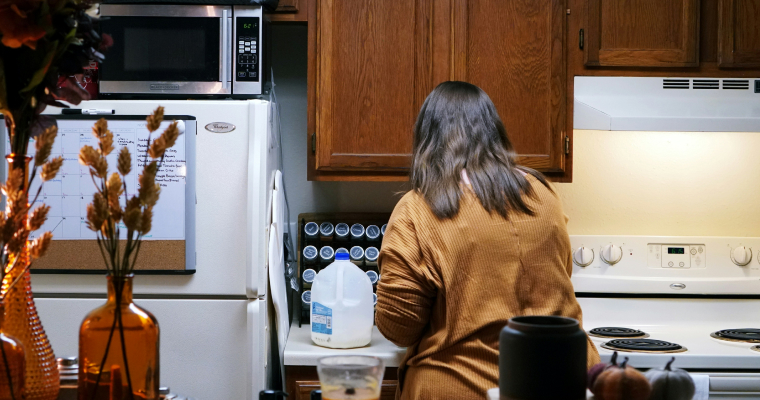
But by the time you’re standing in the kitchen, you’re not starting from neutral. You’re following through on a story your brain started writing hours earlier.
In a way, the decision didn’t happen at 7 PM. In fact, it started taking shape around three in the afternoon.
That’s why nighttime discipline can feel shaky. You’re trying to override momentum that’s already been building all afternoon.
A Small Mental Shift That Helps
The goal isn’t to stop the afternoon thought from showing up. That’s not particularly useful. Why? Despite your best intentions, it probably will.
Instead, try labeling the thought differently when it does show up. Something like: “Okay, that’s my brain imagining relief later.”
You don’t have to argue with it. You don’t even have to change anything in that moment. Then, when evening actually comes, you check in fresh.
Not: Did I say I would drink?
But: Do I actually want this right now?
People are often surprised by the answer. The urgency that felt so convincing earlier doesn’t always hold up through the day.
Why This Matters More Than It Seems
Mindful drinking is partially about understanding the loop that begins hours before that moment ever arrives.
When you can separate the imagined relief from the real decision in front of you, things tend to loosen up. Moderation feels less like a fight and more like a series of small, conscious calls you make in real time.
That’s the kind of awareness people build gradually with support systems like Sunnyside — not through willpower alone, but through learning how the urge actually works.
Because most of the time, the drink isn’t the first step in the cycle. The thought is.
Get started on your mindful drinking journey with a 15-day free trial of Sunnyside.
What is Sunnyside?
Sunnyside is a mindful drinking and alcohol moderation app that can help change your habits around alcohol using a proven, science-backed method. Whether you want to become a more mindful drinker, drink less, or eventually quit drinking, Sunnyside can help you reach your goals. We take a positive, friendly approach to habit change, so you never feel judged or pressured to quit.
When you join Sunnyside, you’ll start by completing a 3-minute private assessment so we can learn a bit about you. Once that’s done, you’ll get a 15-day free trial to test out everything, including our daily habit change tools, tracking and analytics, community and coaching, and education and resources. It’s a full package designed specifically to adapt to your goals and help you reach them gradually, so you can make a huge impact on your health and well-being.
Sunnyside is a digital habit and behavior-change program that is incredibly effective on its own, but can also be the perfect complement to other work you’re doing to cut down on drinking, whether that includes talk therapy or medication such as Naltrexone.
Get your 15-day free trial of Sunnyside today, and start living your healthiest life.