
Can You Drink Alcohol While Taking Creatine? What the Research Says
Yes, you can drink alcohol while taking creatine. There's no evidence that alcohol cancels out creatine's benefits, although...

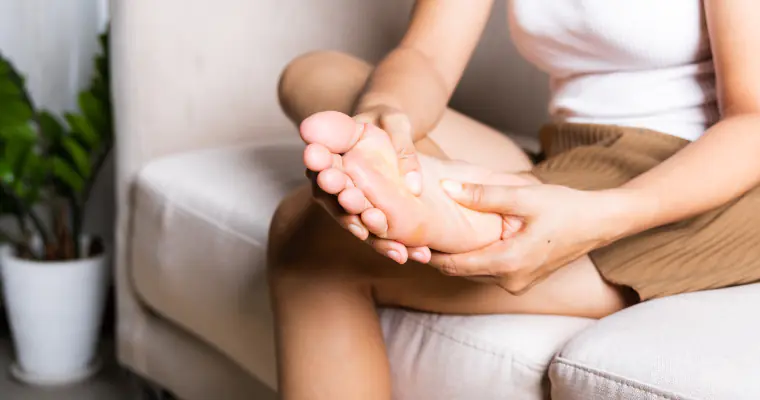
Recurring tingling, numb toes, burning feet, unexplained weakness, or new balance problems are common symptoms of peripheral neuropathy and are worth discussing with a healthcare provider. Alcohol can contribute to neuropathy, but so can diabetes, thyroid or kidney disease, vitamin deficiencies, certain medications, nerve compression, and other conditions.
Below, we’ll look at what alcohol-related neuropathy can feel like, how alcohol may damage nerves, how symptoms can progress, and what the evidence says about recovery.
Peripheral nerves carry signals between your brain and spinal cord and the rest of your body. When these nerves are damaged, symptoms often begin farthest from the center of the body, usually in both feet.
Common symptoms of alcohol-related neuropathy include:
Some people also develop problems involving the nerves that control automatic body functions, including digestion, urination, blood pressure, and sexual function.
None of these symptoms are unique to alcohol-related neuropathy. Tingling and numbness can be among the physical signs associated with drinking too much, but they can also have many other causes. A medical evaluation is the only way to determine what’s behind them.
There isn’t a single, one-size-fits-all explanation for alcohol-related neuropathy. Instead, research suggests that several processes may contribute to nerve damage.
A clinicopathological study comparing nerve biopsies found that alcohol-related nerve damage without thiamine deficiency looked different from neuropathy caused by thiamine deficiency alone. The alcohol-related pattern was slower, more sensory-dominant, and often painful, supporting the possibility that alcohol or its metabolites can damage nerves directly.
Long-term heavy drinking can interfere with nutrition and the body’s ability to absorb, use, or store certain nutrients. Thiamine, or vitamin B1, is a major concern, but clinicians may also check folate, vitamin B6, vitamin B12, and other markers.
That doesn’t mean taking a B-complex is enough to treat neuropathy. A clinical review of alcohol-related neuropathy found that vitamin supplementation alone has not been shown convincingly to improve most cases while heavy alcohol use continues. High doses of vitamin B6 can also cause nerve damage themselves.
If you’re concerned about a deficiency, a clinician can determine what testing and supplementation, if any, make sense for you. It’s especially important not to self-treat with high doses of B vitamins after drinking, since too much vitamin B6 can itself cause nerve damage.
Alcohol metabolism produces oxidative stress, and repeated heavy alcohol exposure may activate inflammatory pathways. A 2025 case-control study found higher levels of two inflammatory markers in people with alcohol use disorder and neuropathy than in people with alcohol use disorder who did not have neuropathy and healthy controls.
That finding suggests inflammation may be involved, although it doesn’t establish that inflammation caused the nerve damage. More broadly, research suggests a relationship between alcohol and inflammation, particularly with heavier or more prolonged drinking.
There is no official staging system for alcohol-related neuropathy. However, research suggests that symptoms tend to follow a general progression, beginning with sensory changes in the feet and potentially becoming more persistent and spreading upward over time. Weakness, muscle loss, and problems with walking tend to occur later in more advanced cases. Not everyone experiences the condition in the same way.
Tingling, burning, or pain may come and go in the toes or feet. Some people notice increased sensitivity to touch or temperature before they develop numbness.
The sensations may become more constant and begin spreading up the legs. Numbness can create the sensation of wearing socks even when you’re barefoot. Cramps, weakness, and balance problems may also develop as more nerve fibers are affected.
Severe or long-standing nerve damage can lead to muscle loss, foot drop, difficulty walking, falls, or injuries that go unnoticed because of reduced sensation. At this point, treatment may include physical or occupational therapy in addition to addressing the underlying cause.
These stages are a general way to understand how symptoms can progress, not a tool for determining the severity of your own condition. Even relatively mild tingling or numbness can have causes that need medical attention.
Yes, alcohol-related neuropathy can improve, but there’s no way to predict exactly how much feeling or function will return. Stopping alcohol can prevent further alcohol-related nerve damage and may allow nerves to recover over time. Treating nutrient deficiencies, managing pain, and physical therapy may also be part of treatment.
A 2026 systematic review of 76 observational studies found that heavier drinking was generally associated with more neuropathy. Studies of people who stopped drinking also reported improvements in symptoms such as numbness and weakness, although the observational evidence can’t prove that stopping alcohol alone caused the improvement.
According to Cleveland Clinic, some people notice improvement within months, while fuller recovery can take years. Severe or long-standing nerve damage may not reverse completely.
If you’ve been diagnosed with alcohol-related neuropathy, your clinician may recommend stopping alcohol completely. If you may be physically dependent on alcohol, however, stopping suddenly can be dangerous. Alcohol withdrawal can require medical supervision, so talk with a healthcare provider about how to stop safely.
There is no specific number of drinks or years of drinking known to cause alcohol-related neuropathy. In general, risk appears to increase with heavier drinking over longer periods of time, but individual susceptibility, nutrition, and other health conditions can also affect risk.
A 2019 systematic review and meta-analysis found nerve-conduction evidence of peripheral neuropathy in 46.3% of people with chronic heavy alcohol use. Total lifetime alcohol exposure was the most important identified risk factor.
Similarly, a 2024 study of 90 inpatients with alcohol use disorder found that neuropathy was more common among people with a longer duration of alcohol use. It usually followed a symmetrical pattern that began distally, often in the feet.
These findings come from populations with prolonged or severe drinking problems. They don’t mean that 46.3% of people who drink alcohol will develop neuropathy, nor do they establish a particular amount of alcohol as a safe or unsafe threshold.
There is no single test that can confirm alcohol-related neuropathy. Instead, a clinician will typically consider your symptoms, medical history, nutrition, alcohol use, medications, and neurological exam while looking for other possible causes of nerve damage.
According to MedlinePlus, testing may include:
Being direct with your healthcare provider about how much and how often you drink is vital—it can help them interpret your symptoms and test results.
Talk with a healthcare provider if you have persistent or recurring pain, burning, numbness, tingling, weakness, or balance problems. Seek care sooner if the symptoms are spreading, interfering with walking, causing falls, or making it difficult to notice cuts or burns on your feet.
Some symptoms require emergency care. Sudden one-sided numbness or weakness, facial drooping, trouble speaking, confusion, loss of coordination, or a sudden severe headache can be signs of a stroke. Call 911 rather than assuming neuropathy or alcohol is responsible.
Before a non-emergency appointment, it can help to write down where your symptoms occur, when they began, whether they affect both sides of your body, and whether you notice any relationship to drinking. Tracking your drinks and symptoms may help you give your clinician a clearer picture of what’s happening.
If reducing or stopping alcohol is part of your care plan, Sunnyside Med can provide medication and behavioral support to help you change your drinking. Sunnyside Med is a 100% online program that provides access to compounded naltrexone for eligible members, along with tools and support for building new drinking habits.
Naltrexone works by blocking opioid receptors involved in alcohol’s rewarding effects and can reduce cravings for some people with alcohol use disorder. After completing an online assessment, you’ll meet with a licensed clinician who will determine whether naltrexone is appropriate for you. Eligible members receive compounded naltrexone with vitamin B6, along with drink and medication tracking, text coaching, educational resources, and community support.
It’s important to distinguish this support from treatment for neuropathy itself. Naltrexone does not repair damaged nerves, correct nutrient deficiencies, or relieve nerve pain. If you’re experiencing symptoms of neuropathy, you should seek a medical evaluation. And if you’ve been diagnosed with alcohol-related neuropathy, follow your healthcare provider’s recommendations about drinking. Depending on your condition, they may recommend stopping alcohol completely rather than simply cutting back.
If changing your drinking is part of your plan, take Sunnyside Med’s brief online assessment to see whether our program may be a fit.
This content is for educational purposes and should not be taken as medical advice. Naltrexone is a prescription medication, and a licensed clinician determines whether it is appropriate for each individual.
Yes. Nutrient deficiencies can contribute to alcohol-related neuropathy, but they aren’t the only possible cause. Human biopsy research suggests that alcohol or its metabolites may also damage nerves directly. Eating a balanced diet therefore doesn’t eliminate the possibility of alcohol-related nerve damage.
Alcohol-related neuropathy is associated with long-term heavy drinking, not typically a single night of alcohol use. If numbness, weakness, severe pain, or other neurological symptoms appear suddenly, seek medical care rather than assuming alcohol-related neuropathy is the cause.
Not without medical guidance. If testing identifies a deficiency, a clinician may recommend supplementation as part of treatment. But taking vitamins on your own isn’t a substitute for addressing the underlying cause of neuropathy, and high doses of vitamin B6 can themselves cause nerve damage.
No. Naltrexone prescribed for alcohol use disorder does not treat neuropathy or nerve pain.
Ian has a family deeply hurt by alcohol, and is on his own personal journey to drink less and live his healthiest life. He’s took naltrexone daily for two years and saw incredible results. As Sunnyside Med’s first customer, he’s deeply entrenched in alcohol health and naltrexone.
Yes, you can drink alcohol while taking creatine. There's no evidence that alcohol cancels out creatine's benefits, although...

Naltrexone does not appear to consistently lower sex drive. Sexual changes have been reported, but research hasn't established...

You've found something that might help you drink less. Then you read that naltrexone blocks endorphins and start...

Many worries about naltrexone and the liver originate from older research, which used much higher doses than doctors...